dirganews.com – Kerinci is one of Indonesia’s most extraordinary yet underexplored destinations. Located in the western part of Jambi Province on the island of Sumatra, this highland region showcases dramatic volcanic landscapes, ancient rainforests, pristine lakes, and a deeply rooted cultural heritage. Unlike many well-known tourist hotspots, Kerinci has remained largely untouched by mass tourism, making it an ideal choice for travelers seeking authenticity, tranquility, and meaningful encounters with nature.
Encircled by the vast Kerinci Seblat National Park, the region is home to Mount Kerinci—the highest volcano in Indonesia—along with remarkable biodiversity, fertile tea plantations, traditional villages, and rare ecosystems found nowhere else in Southeast Asia. Whether you are drawn by adventure, fascinated by wildlife, or curious about local culture, Kerinci delivers an immersive experience that feels both raw and deeply rewarding.
This comprehensive travel guide covers everything you need to know about visiting Kerinci, including its top attractions, ecological richness, accommodation options, local cuisine, suggested itineraries, and practical travel tips.
Why Kerinci Deserves a Place on Your Travel List
www.greenrinjani.com
What sets Kerinci apart is not only its breathtaking scenery but also the profound sense of calm it offers. Due to its remote location, the region has preserved both its landscapes and traditions, allowing visitors to experience Sumatra in a more authentic and unspoiled form.
Many travelers are drawn to Kerinci because of its rare balance between adventure and serenity. Challenging mountain treks, dense jungle exploration, and wildlife observation appeal to adventure seekers, while tranquil lakes, mist-covered tea fields, and quiet villages provide moments of reflection and rest.
Adding to its appeal, Kerinci enjoys a cool mountain climate throughout the year. Thanks to its elevation, temperatures remain comfortable even during Indonesia’s hotter seasons, making outdoor activities more enjoyable and extended exploration less exhausting.
Equally memorable is the warmth of the local community. Known for their hospitality and strong cultural values, Kerinci residents welcome visitors with genuine kindness. Rather than treating outsiders as tourists, locals often receive them as honored guests.
Kerinci Seblat National Park: A Natural Treasure of Sumatra
At the ecological core of the region lies Kerinci Seblat National Park. Spanning more than 1.3 million hectares across four provinces, it is the largest national park in Sumatra and part of a UNESCO World Heritage Site.
Within its boundaries, the park protects extensive tropical rainforests, volcanic mountains, rivers, wetlands, and alpine ecosystems. This extraordinary ecological diversity makes it one of Southeast Asia’s most important conservation areas.
Wildlife encounters are a major highlight. Visitors may spot endangered species such as the Sumatran tiger, Sumatran elephant, Malayan tapir, clouded leopard, and hundreds of bird species. In addition, the park shelters countless plant varieties, including giant rafflesia flowers, rare orchids, and medicinal plants traditionally used by local communities.
For eco-tourism enthusiasts, the park offers guided treks, birdwatching excursions, wildlife monitoring, and environmental education programs. Each visit contributes to conservation efforts while supporting sustainable tourism initiatives.
Mount Kerinci: The Roof of Sumatra
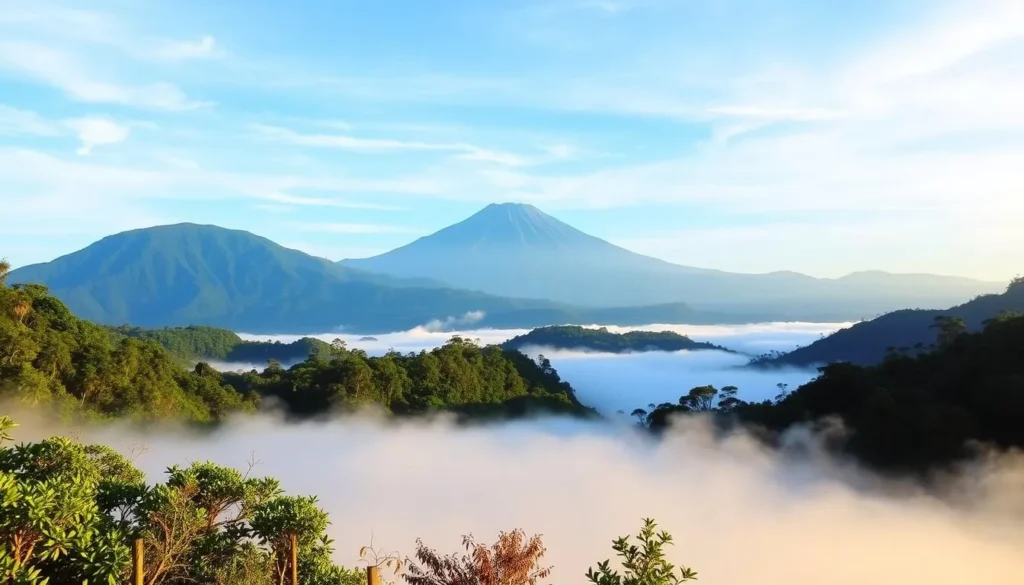
Towering at 3,805 meters above sea level, Mount Kerinci stands as the tallest mountain in Sumatra. As an active volcano, it represents both the natural power and geological history of the region.
Trekking Mount Kerinci is widely regarded as one of Indonesia’s most demanding yet rewarding hiking experiences. Most climbs begin in Kersik Tuo Village, the primary gateway for adventurers. From there, hikers traverse dense forests, moss-covered paths, and high-altitude terrain before approaching the summit.
Typically, the ascent takes two to three days, depending on weather conditions and physical endurance. Along the route, trekkers witness dramatic shifts in vegetation and temperature. Reaching the summit reveals a breathtaking panorama of volcanic craters, cloud-covered valleys, Lake Gunung Tujuh, and—on clear days—the distant Indian Ocean.
Due to its altitude and difficulty, proper preparation is essential. Hiring a local guide is strongly advised for safety and navigation. Those who complete the climb, however, are rewarded with one of the most unforgettable experiences in Indonesia.
Lake Gunung Tujuh Kerinci: Southeast Asia’s Highest Lake
1.bp.blogspot.com
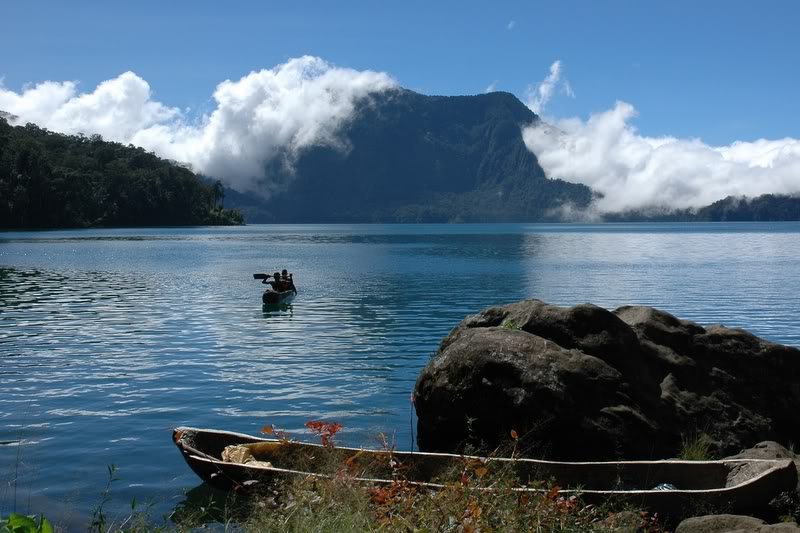
Lake Gunung Tujuh, often referred to as Seven Mountain Lake, lies at approximately 1,950 meters above sea level, making it the highest lake in Southeast Asia. Encircled by seven volcanic peaks, the lake feels remote, serene, and almost mystical.
Accessing the lake requires a moderate hike through forest trails, which enhances the sense of adventure. Upon arrival, visitors are welcomed by still waters, crisp mountain air, and dramatic volcanic ridges forming a natural amphitheater.
Many travelers choose to camp near the lake, enjoying starlit nights and misty sunrises. Popular activities include photography, light trekking, meditation, and quiet reflection in nature.
Lake Kerinci: Life and Leisure by the Water
Covering approximately 4,200 hectares, Lake Kerinci is one of the largest lakes in Jambi Province. Unlike the secluded Lake Gunung Tujuh, this lake is easily accessible and plays a vital role in local livelihoods.
Surrounding villages, rice fields, and mountain backdrops create a picturesque atmosphere. Visitors can enjoy boat rides, lakeside strolls, fishing, and traditional food stalls serving local specialties.
Ideal for families and casual travelers, Lake Kerinci offers a relaxed way to enjoy nature without intense physical activity. Sunrise and sunset are particularly enchanting when Mount Kerinci’s reflection shimmers across the water’s surface.
Kayu Aro Tea Plantation: A Sea of Green
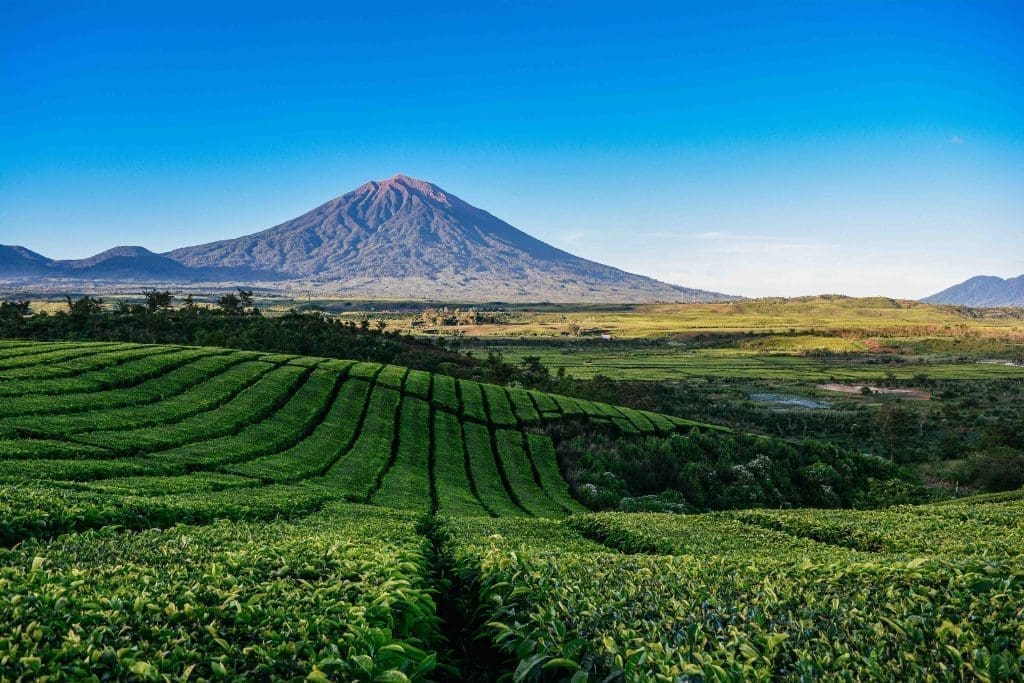
Established during the Dutch colonial era, the Kayu Aro Tea Plantation is among the oldest and highest tea estates in Indonesia. Located at the foothills of Mount Kerinci, it stretches across rolling hills blanketed in vibrant green tea bushes.
Strolling through Kayu Aro feels like stepping into a living landscape painting. Morning mist drifts across the fields as workers harvest tea leaves by hand, while Mount Kerinci rises majestically in the background.
Visitors are welcome to explore the plantation, learn about traditional tea production, and sample freshly brewed local tea. Photography enthusiasts and slow travelers especially appreciate the area’s peaceful charm.
Waterfalls, Swamps, and Hidden Landscapes
Scattered throughout Kerinci are waterfalls, rivers, and wetlands that further enrich its natural appeal. Telun Berasap Waterfall is among the most famous, known for its powerful cascade and constant mist that creates a dramatic atmosphere.
Equally unique is Rawa Bento, the highest swamp in Southeast Asia. This wetland ecosystem supports migratory birds, rare plant species, and expansive open landscapes. Exploration is possible on foot or by canoe, making it a favorite destination for birdwatchers and nature photographers.
Together, these lesser-known sites highlight Kerinci’s environmental diversity and invite travelers to explore beyond the main attractions.
Culture, Traditions, and Local Life in Kerinci
Kerinci’s cultural heritage is deeply intertwined with its natural environment. Traditional wooden stilt houses, known as rumah adat, reflect architectural designs adapted to mountainous conditions.
Traditional dances, music, and ceremonies continue to be practiced during festivals and communal gatherings. Local customs emphasize harmony with nature, respect for elders, and preservation of ancestral traditions.
By engaging directly with local communities, visitors gain a deeper understanding of Kerinci’s identity. Homestays and village visits offer authentic experiences, from traditional cooking to storytelling passed down through generations.
Culinary Experiences You Should Not Miss
Local cuisine in Kerinci reflects the region’s natural resources and cultural influences. Fresh river fish, aromatic spices, and time-honored cooking techniques define many traditional dishes.
Popular specialties include spicy grilled beef, fermented durian-based curries, river fish stews, and glutinous rice snacks. Locally grown tea and cinnamon-based drinks are also widely enjoyed.
Sampling Kerinci’s food goes beyond taste—it provides a meaningful connection to traditions and family recipes preserved for generations.
Where to Stay in Kerinci
Accommodation options range from city hotels in Sungai Penuh to homestays near Mount Kerinci and Kayu Aro. While luxury resorts are limited, most lodgings offer comfort, cleanliness, and warm hospitality.
Staying in Sungai Penuh allows easy access to markets, restaurants, and transportation. Alternatively, accommodations closer to nature provide tranquility and scenic views.
Ultimately, the best choice depends on your itinerary and travel preferences, but welcoming service is consistent throughout the region.
Suggested 3-Day Kerinci Travel Itinerary
A three-day stay offers a balanced introduction to Kerinci’s culture and landscapes.
The first day focuses on exploring Sungai Penuh, visiting cultural sites, and enjoying local cuisine. On the second day, travelers can experience tea plantations, waterfalls, and mountain scenery. The final day is ideal for lake visits and village exploration before departure.
Longer stays allow for deeper adventures, including multi-day treks and wildlife observation.
How to Get to Kerinci
Travelers can reach Kerinci by air or overland routes. Depati Parbo Airport serves the region with limited flights, while road travel connects Kerinci with Padang and Jambi.
Although the journey may be lengthy, the scenic drive through mountains, forests, and valleys is often considered part of the adventure.
Practical Travel Tips for Visiting Kerinci
travel.com
Packing appropriately is essential, especially warm clothing for cool nights. Trekking shoes, rain protection, and basic outdoor gear are recommended for nature-based activities.
By respecting local customs, supporting small businesses, and practicing responsible tourism, visitors help preserve Kerinci’s natural and cultural heritage.
FAQ
1. Is Kerinci suitable for first-time travelers to Sumatra?
Yes. Kerinci is suitable for first-time visitors who enjoy nature and cultural travel. While less developed than major cities, basic facilities, friendly locals, and guided tours make it accessible and safe.
2. Do I need a guide to explore Mount Kerinci or Kerinci Seblat National Park?
For Mount Kerinci and most areas within the national park, hiring a local guide is highly recommended. Guides enhance safety and provide valuable insights into the environment and local culture.
3. What is the best time of year to visit Kerinci?
The ideal time to visit is during the dry season, from April to October, when weather conditions are more stable, and hiking trails are safer.
Conclusion
Kerinci is not a destination for rushed itineraries or superficial sightseeing. Instead, it rewards travelers who value authenticity, nature, and meaningful experiences. Towering volcanoes, ancient rainforests, serene lakes, and welcoming communities come together to create a journey into the heart of Sumatra.
For those willing to explore beyond mainstream destinations, Kerinci reveals a side of Indonesia that is wild, peaceful, and profoundly inspiring.