dirganews.com – Driving along the Pacific Coast Highway is not just about getting from one place to another. Instead, it is about slowing down, enjoying the journey, and truly experiencing one of the most beautiful coastlines in the world. This legendary road follows California’s rugged shoreline, offering not only dramatic ocean views but also charming towns, peaceful beaches, and unforgettable moments at every turn.
For this reason, the Pacific Coast Highway—also known as Highway 1—is often called one of the most scenic drives on Earth. Over the years, it has become a dream road trip for travelers from all around the world. Whether you love nature, photography, freedom, or simply open roads, this journey offers something meaningful for everyone.
In this complete guide, you will discover what makes the Pacific Coast Highway so iconic, which destinations you should not miss, how to prepare properly for the trip, what travel gear can make your journey smoother, and how to plan an ideal itinerary.
What Is the Pacific Coast Highway?
learncalifornia.org
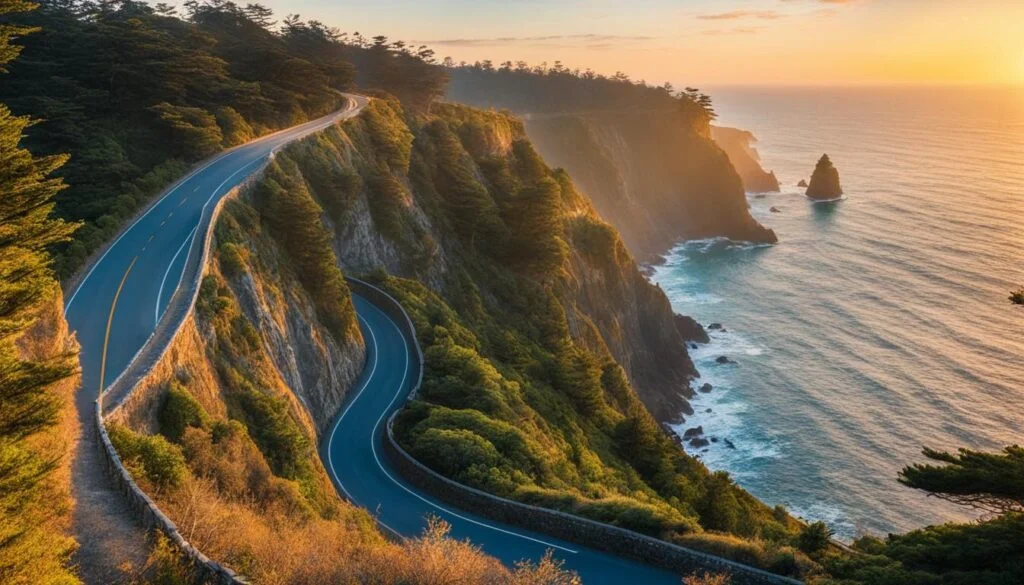
The Pacific Coast Highway (PCH) is a coastal road that stretches for nearly 650 miles along the western edge of California. In general, it runs from Northern California to Southern California while staying close to the Pacific Ocean for most of the drive.
What truly makes the PCH unique is how closely it follows nature. In many sections, the road hugs cliffs that drop directly into the ocean. Meanwhile, other parts pass through quiet forests, open farmland, seaside villages, and historic towns.
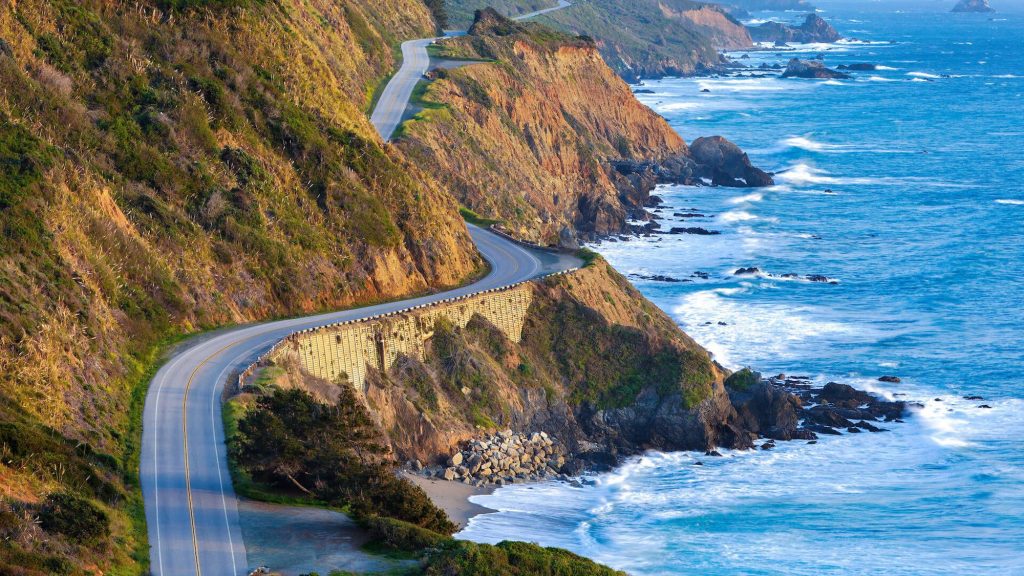
Not surprisingly, the most famous and photographed section of the PCH lies between San Francisco and Los Angeles, especially the stretch through Big Sur. Here, travelers experience dramatic cliffs, endless ocean views, and winding roads that feel almost unreal.
Because of this, the Pacific Coast Highway is not designed for speed. Rather, it is meant to be enjoyed slowly, with frequent stops to admire the scenery, take photos, and explore the coastline at your own pace.
Why the Pacific Coast Highway Is So Special
practicalwanderlust.com
1. Constant Ocean Views
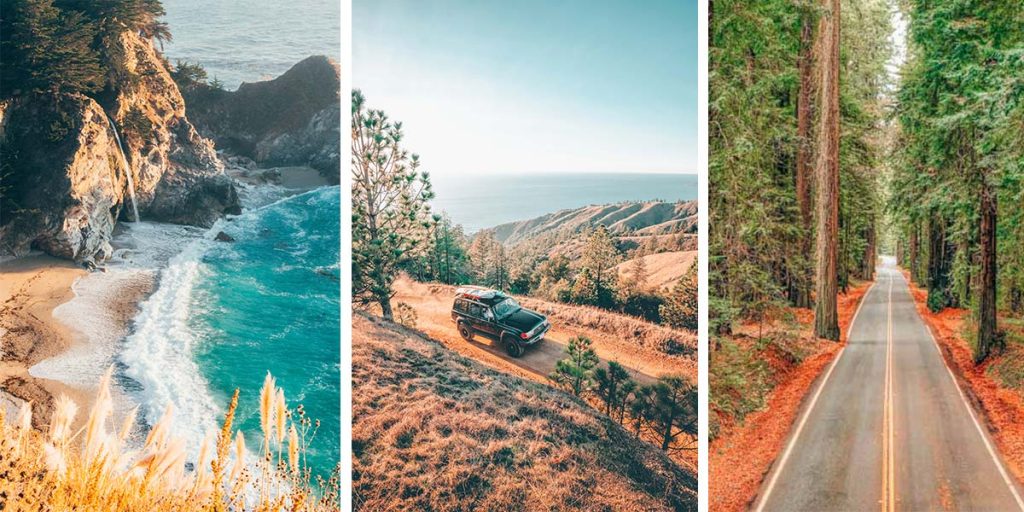
One of the main reasons people fall in love with the Pacific Coast Highway is its uninterrupted ocean scenery. Unlike many highways where views appear only occasionally, the PCH offers continuous sights of waves, cliffs, and coastline.
As a result, the sound of the ocean, the smell of salty air, and the ever-changing colors of the sea create a calming yet powerful atmosphere throughout the drive.
2. Variety of Landscapes
Another reason the PCH stands out is the incredible variety of landscapes it offers. In a single road trip, you can experience:
-
Tall redwood forests
-
Rocky cliffs and deep blue waters
-
Soft sandy beaches
-
Rolling hills and vineyards
-
Small coastal towns and modern cities
Few road trips, if any, offer this level of natural diversity within such a short distance.
3. Freedom to Explore
A road trip along the Pacific Coast Highway also offers unmatched freedom. For example, you can stop whenever something catches your eye, take spontaneous detours, or spend extra time in places you truly enjoy.
Because there is no fixed schedule, no tour group, and no rush, the journey becomes deeply personal and flexible—allowing you to travel exactly the way you want.
4. Emotional and Mental Escape
Beyond the scenery, many travelers describe driving the PCH as a therapeutic experience. In fact, the combination of open space, natural beauty, and slow travel often creates a sense of peace and clarity.
For solo travelers, the drive can be reflective. For couples, it often feels romantic. Meanwhile, for friends or families, it becomes a shared memory that lasts a lifetime.
Must-See Highlights Along the Route
Naturally, the Pacific Coast Highway is filled with iconic landmarks and hidden gems. Below are some of the most unforgettable stops along the route.
Bixby Creek Bridge
To begin with, Bixby Creek Bridge is one of the most photographed locations in California. It rises high above a canyon with the ocean stretching endlessly behind it.
In particular, the view from nearby pull-off points is breathtaking during sunrise or sunset, when the light perfectly highlights the bridge and coastline.
Big Sur
Next, Big Sur stands out as a wild and untouched stretch of coastline where mountains meet the sea. Unlike other parts of California, there are no large cities here—only nature, winding roads, and dramatic scenery.
Popular experiences include:
-
Coastal hiking trails
-
Cliffside viewpoints
-
Quiet, peaceful beaches
Altogether, Big Sur feels remote, powerful, and unforgettable.
McWay Falls
Another must-see stop is McWay Falls, a rare waterfall that flows directly onto a sandy beach. It is located inside Julia Pfeiffer Burns State Park and is one of the most photographed sights along the PCH.
Especially in the late afternoon, the waterfall looks stunning as sunlight reflects off the water and surrounding cliffs.
Monterey and Carmel-by-the-Sea
Although Monterey and Carmel-by-the-Sea are close to each other, they offer very different experiences.
-
Monterey is well known for marine life, whale watching, and historic waterfront areas.
-
Carmel-by-the-Sea, on the other hand, feels like a storybook village filled with art galleries, charming cottages, and cozy cafés.
Together, these towns are perfect places to relax and enjoy California’s coastal culture.
Santa Barbara
Further south, Santa Barbara offers a balance between beach life and elegant architecture. Known for its Spanish-style buildings, palm-lined streets, and nearby wine regions, it is an ideal place to slow down.
As a result, many travelers choose to spend extra time here enjoying great food, ocean views, and a relaxed atmosphere.
Malibu and Santa Monica
Finally, as you approach Los Angeles, the coastline becomes more lively.
-
Malibu is famous for its surfing beaches and luxury homes.
-
Santa Monica, meanwhile, offers a classic beach-town vibe with its pier, restaurants, and oceanfront walkways.
Together, these locations create a fun and relaxing ending to your journey.
Essential Travel Gear for a PCH Road Trip
To ensure a smooth experience, the right travel gear can make a significant difference. Below are practical items that help improve organization, comfort, and flexibility.
Peak Design Travel Duffelpack 65L
For example, this bag combines the features of a backpack and a duffel, offering large capacity while remaining easy to carry and organize.
Tumi 19 Degree Expandable Carry-On
In addition, this carry-on is ideal for travelers flying into California before starting their road trip.
Eiger GO TIME Outdoor Watch
Meanwhile, this watch is useful when phone batteries run low or the signal becomes unreliable.
Large Foldable Travel Duffel Bag
As a backup, this bag is perfect for shoes, jackets, or beach gear.
Digital Travel Planner
Finally, a digital planner helps keep routes, accommodations, and budgets organized without reducing flexibility.
How These Items Improve Your Journey
These travel tools solve common road trip challenges:
-
Better organization inside your car
-
Less time searching for items
-
Reduced stress and fatigue
-
More focus on enjoying the scenery
-
Easy adjustment to unexpected changes
With proper gear, your road trip feels smooth and effortless.
Preparing Your Vehicle
Before hitting the road, it is important to ensure your vehicle is in good condition. Specifically, check tire pressure, oil levels, brakes, lights, and windshield wipers.
If you are renting a car, choose one with good fuel efficiency and enough storage space. SUVs provide comfort on curvy roads, while convertibles offer an open-air coastal experience.
Best Time to Drive the Pacific Coast Highway
Generally speaking, the best times to drive the PCH are:
-
September to October, when the weather is pleasant, and crowds are smaller
-
April to May, when temperatures are mild, and landscapes are green
By comparison, summer is more crowded, especially around Big Sur.
Suggested 7–10 Day Itinerary Along the Pacific Coast Highway
Planning a 7–10 day itinerary allows you to enjoy the Pacific Coast Highway at a relaxed pace. Instead of rushing, this schedule gives you time to explore, rest, and fully experience each destination along the way.
Day 1–2: San Francisco → Monterey
To begin your journey, spend your first day exploring San Francisco. Visit iconic landmarks such as the Golden Gate Bridge, Fisherman’s Wharf, and Lombard Street.
On the second day, drive south toward Monterey. Along the way, stop at Half Moon Bay for ocean views and short coastal walks. Once in Monterey, enjoy Cannery Row and the scenic waterfront before settling in for the night.
Day 3–4: Monterey → Big Sur
Next, continue south into Big Sur, one of the most dramatic sections of the Pacific Coast Highway. During this stretch, take your time stopping at viewpoints, beaches, and hiking trails.
Over two days, you can explore Pfeiffer Big Sur State Park, visit Bixby Creek Bridge, and admire McWay Falls. In addition, consider short hikes or simply relax while listening to the waves crash below the cliffs.
Day 5: Big Sur → San Luis Obispo Area
After enjoying Big Sur, head south toward San Luis Obispo. As the landscape changes, you will notice rolling hills, farmland, and quieter beaches.
Along the way, stop in towns such as Cambria or Morro Bay. These places are perfect for a slow afternoon walk, fresh seafood, and sunset views over the ocean.
Day 6: San Luis Obispo → Santa Barbara
On day six, continue driving toward Santa Barbara. Compared to previous days, this stretch feels calmer and more relaxed.
Once you arrive, spend time exploring the downtown area, walking along the beach, or enjoying local restaurants. If time allows, a visit to nearby wine regions adds an extra layer to the experience.
Day 7: Santa Barbara → Malibu → Santa Monica
Next, drive toward Malibu and Santa Monica. As you get closer to Los Angeles, the coastline becomes livelier and more energetic.
Stop at Malibu beaches to relax or watch surfers. Later in the day, continue to Santa Monica to enjoy the pier, sunset views, and oceanfront walks.
Optional Day 8–10: Los Angeles → San Diego
If you have extra time, extend your journey south to San Diego. This additional leg offers warmer weather, laid-back beach towns, and a relaxed coastal atmosphere.
Spend your final days exploring La Jolla, Coronado Beach, or downtown San Diego. In the end, this extension provides a perfect and sunny conclusion to your Pacific Coast Highway adventure.
Practical Tips for a Smooth Trip
-
Drive during daylight for better views
-
Carry water and snacks
-
Download offline maps
-
Book accommodations early
-
Take breaks and enjoy the moment
The Emotional Side of the Journey
assets. Roadrunner. travel
What truly makes the Pacific Coast Highway special is how it feels. The open road, the endless ocean, and the quiet moments create space to breathe and reflect.
Many travelers say this journey changes how they see travel—and sometimes even themselves.
Frequently Asked Questions
How long does the full drive take?
If driven non-stop, about two days. For the best experience, plan 7–10 days.
Is a special license required?
No, but international travelers should carry an International Driving Permit.
What is the most scenic section?
The Big Sur stretch between Monterey and San Luis Obispo is considered the most beautiful.
Final Thoughts
In the end, the Pacific Coast Highway is more than just a road. It is a journey filled with beauty, freedom, and unforgettable moments. With the right preparation, suitable gear, and a relaxed mindset, this road trip can become one of the most rewarding travel experiences of your life.