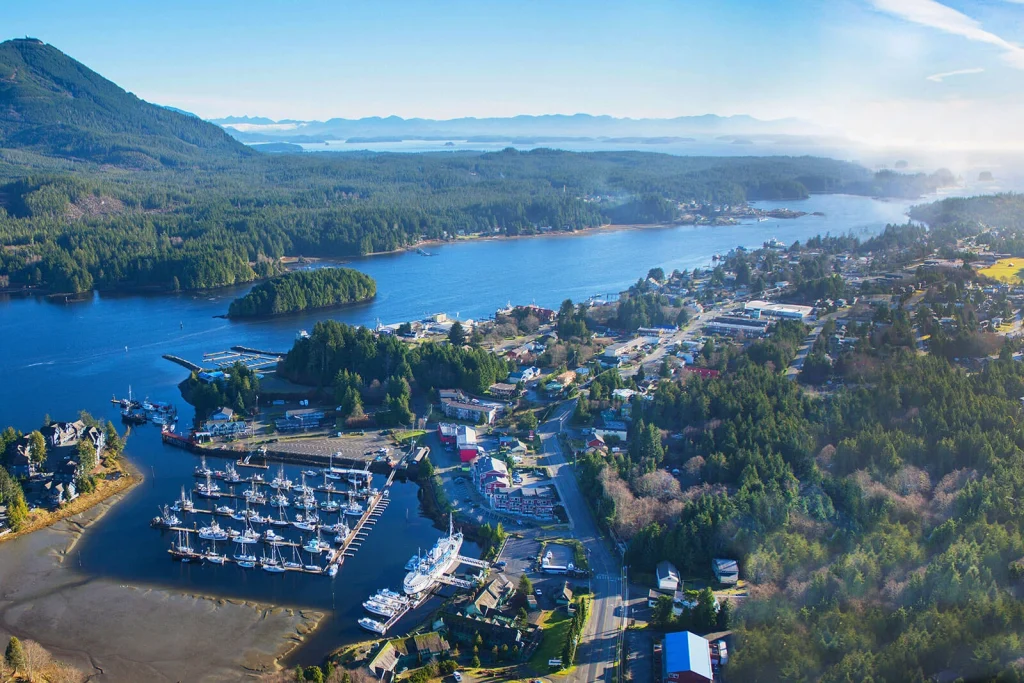
dirganews.com – The western edge of Vancouver Island is defined by a geographical and cultural duality often misunderstood by those visiting the British Columbia coast. While Tofino has transitioned into a globalized wellness and surf destination, Ucluelet remains anchored in its identity as a working harbor, offering a more rugged, introspective experience. This distinction is critical for the solitary visitor. The environment here is not merely a backdrop for recreation but a dynamic, often unforgiving ecosystem where the Pacific Ocean dictates the rhythm of daily life.
Engaging with the Pacific Rim as an individual requires a shift in travel philosophy. It is a transition from the “consumer” of scenery to the “observer” of ecological and seasonal shifts. The isolation inherent in the landscape serves as both an attraction and a logistical hurdle. Navigation involves winding logging roads and unpredictable marine weather, demanding a level of self-sufficiency and preparation that differs significantly from metropolitan or even standard European rural travel.
This editorial pillar interrogates the mechanics of navigating this coastal enclave as a lone entity. By deconstructing the systemic realities of the temperate rainforest and the practicalities of the “Ukee” lifestyle, we establish a framework for a journey that is safe, deeply contextual, and logistically sound. The objective is to provide a definitive reference for those seeking the specific solitude found at the end of the road, where the forest meets the open sea.
Understanding “Ucluelet solo travel.”
nanowhat.com
At its core, Ucluelet solo travel is an exercise in “Coastal Resilience.” The term “Ucluelet” itself translates from the Nuu-chah-nulth phrase meaning “safe landing place,” but for the solitary visitor, safety is a product of active management rather than passive location. Unlike group travel, where logistics are distributed, the solo traveler must manage the interplay between tide charts, wildlife protocols, and limited infrastructure personally.
Multi-Perspective Explanation
From a Biological Perspective, Ucluelet is situated within the Clayoquot Sound Biosphere Reserve. Solo visitors must understand their role as a single, low-impact organism within a dense apex-predator environment. The presence of wolves, cougars, and bears is not a rarity but a constant, requiring a specific set of behavioral protocols that differ when one is walking alone versus in a vocal group.
From a Socio-Economic Perspective, the town operates on a seasonal “Pulse.” During the winter storm-watching season, the community turns inward. The solo traveler during these months must be comfortable with “Social Sparse-ness.” Conversely, the summer months bring a surge in population that can overwhelm the town’s limited services. Understanding this seasonality is the difference between a meditative retreat and a frustrating struggle for resources.
From a Geographical Perspective, the town is a narrow peninsula. This unique shape means that the “Wild Side” (the Pacific-facing coastline) and the “Harbor Side” (the sheltered inlet) offer vastly different microclimates and safety profiles. A solo hiker on the Wild Pacific Trail faces different wind-shear and visibility challenges than a kayaker in the Ucluelet Inlet.
Oversimplification Risks
The most significant oversimplification is the “Tofino-Lite” myth. Travelers often assume Ucluelet is merely a cheaper basecamp for Tofino activities. This leads to a logistical failure where the traveler spends four hours a day commuting on the single-access Highway 4, missing the specific, quieter depth of Ucluelet’s own trail systems and local culture.
Contextual Background: From Nuu-chah-nulth Roots to Eco-Tourism
The history of the Ucluelet peninsula is a narrative of extraction and subsequent protection. For millennia, the Yuułuʔiłʔatḥ (Ucluelet First Nation) managed the bountiful marine resources with a sophisticated social structure and deep ecological knowledge. The arrival of European settlers shifted the focus toward industrial fishing and logging, which dominated the 20th century.
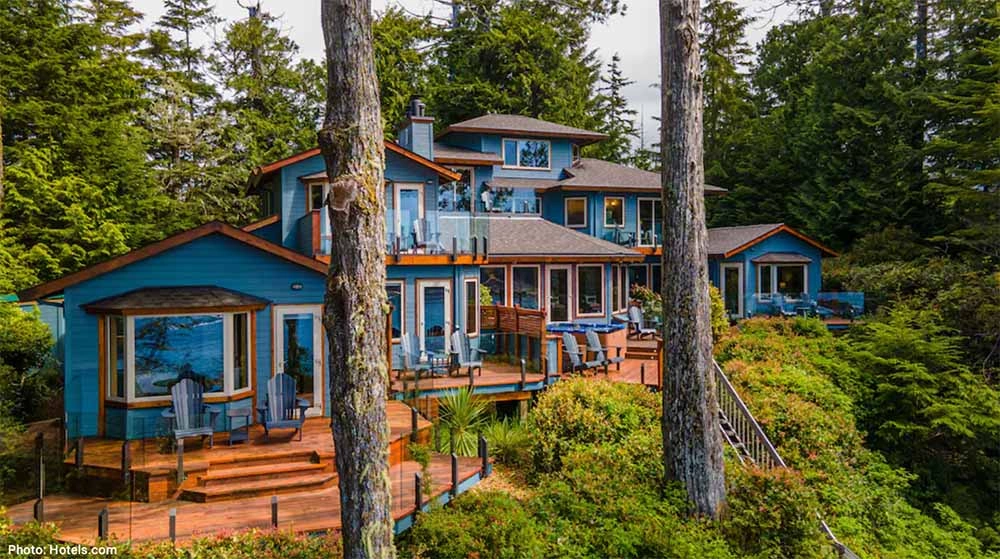
The 1970s marked a systemic shift with the creation of the Pacific Rim National Park Reserve. This move toward conservation created a tension between the traditional working-class fishing community and the burgeoning “Eco-Tourist” economy. For the solo traveler today, this history is visible in the town’s architecture, a mix of functional, weather-beaten fishing sheds and modern, high-design cliffside lodges. Understanding this cultural friction helps the visitor navigate social interactions in local establishments, where the “tourist” label is often viewed through a lens of pragmatic skepticism.
Conceptual Frameworks and Mental Models
1. The “Peninsula Safety” Model
This framework dictates that a solo traveler should never be more than one hour away from “Hard Shelter.” Given the volatility of Pacific storms, which can move from clear skies to 80 km/h winds in minutes, es the mental map must always include an exit strategy to the town center or a vehicle.
2. The “Tidal Clock” Heuristic
This model replaces the standard 24-hour clock with the lunar cycle. For the individual hiker or beachcomber, the “High Tide” is a hard boundary. Many of the most attractive coastal sections can become “Traps” during a rising tide. The heuristic is: Check the tide chart before the boots hit the dirt.
3. The “Apex Awareness” Framework
This replaces the “Scenic View” mindset with an “Ambient Awareness” mindset. When walking alone in the temperate rainforest, one must use sound (voice or bells) and sight (scanning the periphery) to signal presence to wildlife. The goal is “Non-Surprise,” which is the primary deterrent for negative wildlife encounters.
Key Categories of Coastal Engagement
| Category | Primary Focus | Solitary Advantage | Trade-off |
| Storm Watching | Winter Pacific swells. | Peak introspection; low crowds. | High humidity; limited outdoor time. |
| Old-Growth Hiking | Western Red Cedar groves. | Deep silence; easier wildlife spotting. | Navigational risk if off-trail. |
| Inlet Kayaking | Sheltered water exploration. | High maneuverability. | Solo capsizing risk (high). |
| Whale Migration | Grey/Humpback sightings. | Easier to snag a single boat seat. | Seasickness with no support. |
| Culinary Discovery | Local seafood/distillery. | No wait times at bar seating. | Limited social interaction. |
Detailed Real-World Scenarios and Decision Logic
The Highway 4 Obstruction
The primary artery connecting Ucluelet to the rest of Vancouver Island is frequently compromised by rockslides. Because this is the sole paved access point, a closure effectively isolates the peninsula from mainland supply chains.
-
The Logic: Solo travelers possess a limited buffer for emergencies. Your existing fuel and food supplies are calibrated for one, but they are not infinite.
-
The Decision: Secure your position by immediately topping up fuel and potable water at a local station. Under no circumstances should you attempt “The Backway” (rugged logging roads) unless you are operating a high-clearance 4×4 equipped with a satellite communicator.
-
Failure Mode: Engaging in panic-driven navigation or attempting to bypass official closures by entering unmapped forestry networks.
The “Fog-In” on the Wild Pacific Trail
Coastal weather is notoriously mercurial; a dense marine fog can roll in mid-hike, instantly reducing visibility to less than five meters. This atmospheric shift transforms a scenic walk into a high-stakes navigational challenge.
-
The Action: Commit to staying on the designated gravel path. You must resist the urge to venture onto slick rocky outcroppings to capture “The Shot,” as depth perception is virtually non-existent in these conditions.
-
Outcome: Progress becomes considerably slower, yet the move eliminates the lethal risk of falling into the surge.
Planning, Cost, and Resource Dynamics
Ucluelet is structurally more expensive than the mainland due to the “End of the Road” logistics.
Resource Allocation Table
| Expense | Daily Range | Variability Factors | Opportunity Cost |
| Lodging | $150 – $450 | Proximity to “Wild Side” views. | Cheaper stays require more driving. |
| Dining | $40 – $100 | Food truck vs. High-end Bistro. | Time spent cooking vs. exploring. |
| Transit | $20 – $60 | Fuel and Park Pass fees. | Biking is free but weather-dependent. |
| Gear Rent | $50 – $150 | Kayaks, Surfboards, E-bikes. | Buying gear vs. one-time use. |
Tools, Strategies, and Support Systems
-
Tide Graph Apps: Essential for anyone planning to walk Long Beach or the rocky shelves of the peninsula.
-
Bear Spray & Holster: Not for “Protection” as a primary tool, but as a last-resort deterrent that provides psychological peace of mind.
-
Offline Topo Maps: Gaia or AllTrails downloads are mandatory; the forest density makes GPS signals bounce.
-
Local Radio (90.1 FM): Tofino/Ucluelet community radio for real-time road and weather updates.
-
The “Float Plan” Practice: Always leave a written note at your accommodation or with a friend detailing your trail and expected return time.
Risk Landscape and Taxonomy of Failure Modes
-
Hypothermia (The Damp Cold): Even at 15°C (59°F), the 90% humidity can cause rapid core-temp drops if you get wet.
-
The “Sneaker Wave”: Large waves that surge much higher than others. For a solo photographer on the rocks, this is the leading cause of fatalities.
-
Wildlife Habituation: Mistaking a “calm” deer or wolf for a friendly one. This leads to the animal being destroyed by conservation officers.
-
The “Fuel Gap”: Forgetting that the last gas station for 100km is in Port Alberni before the mountain pass.
Governance, Maintenance, and Long-Term Adaptation
Ucluelet solo travel requires a “Daily Audit” of your own physical and mental state.
-
Review Cycles: Check the Marine Forecast at 8:00 AM and 6:00 PM.
-
Adjustment Triggers: If the “Small Craft Advisory” is in effect, cancel any inlet or coastal shelf activities immediately.
-
Checklist for Longevity:
-
Verify Park Pass validity.
-
Inspect boots for saltwater erosion.
-
Re-waterproof outer shells every three days of heavy use.
-
Update “Float Plan” with accommodation hosts.
-
Measurement, Tracking, and Evaluation
How do you measure a “successful” solo coastal trip?
-
Qualitative Signals: The ability to name local flora (Salal, Sitka Spruce) and an understanding of the Yuułuʔiłʔatḥ governance areas.
-
Quantitative Signals: “Tide-Hit Ratio”—how often did you reach your destination at the optimal low-tide window?
Common Misconceptions and Oversimplifications
-
“It’s always raining”: Mostly true, but “Rain” varies from a fine mist to a vertical deluge. You can still hike in the mist.
-
“It’s safer than Tofino”: The terrain is actually more rugged and has less immediate emergency response coverage.
-
“I don’t need a car”: Unless you stay in the town center and only walk the Wild Pacific Trail, a car is a structural necessity.
-
“I’ll meet plenty of people”: Ucluelet is quieter; social interactions are more deliberate and less “party-centric.”
-
“The park is the only attraction”: The town’s harbor and the “Ancient Cedars” loop are equally profound and located outside the park boundaries.
Ethical and Contextual Considerations
The solo traveler must navigate the “Settler-Visitor” dynamic. You are visiting unceded Yuułuʔiłʔatḥ territory. This is not a “Wilderness” in the sense of being empty, but a managed ancestral home. Respect for land-use signs, staying on trails to prevent erosion of the thin rainforest soil, and supporting Indigenous-owned businesses are not just “nice to do” they are requirements for maintaining the social and ecological integrity of the region.
Conclusion
The allure of Ucluelet lies in its resistance to easy consumption. To visit alone is to accept a dialogue with a landscape that is indifferent to your presence. It requires a blend of tactical preparation and emotional openness. By adhering to the tidal rhythms and maintaining a respectful distance from the wildlife and the local community, the solo traveler can find a rare form of clarity. Ucluelet is not a place you “conquer”; it is a place that allows you to land safely, provided you have the humility to listen to the ocean’s pace.