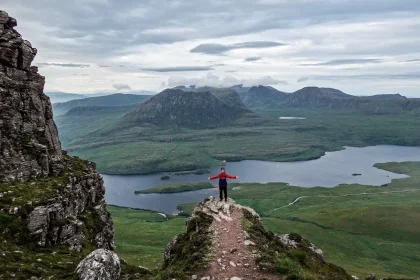
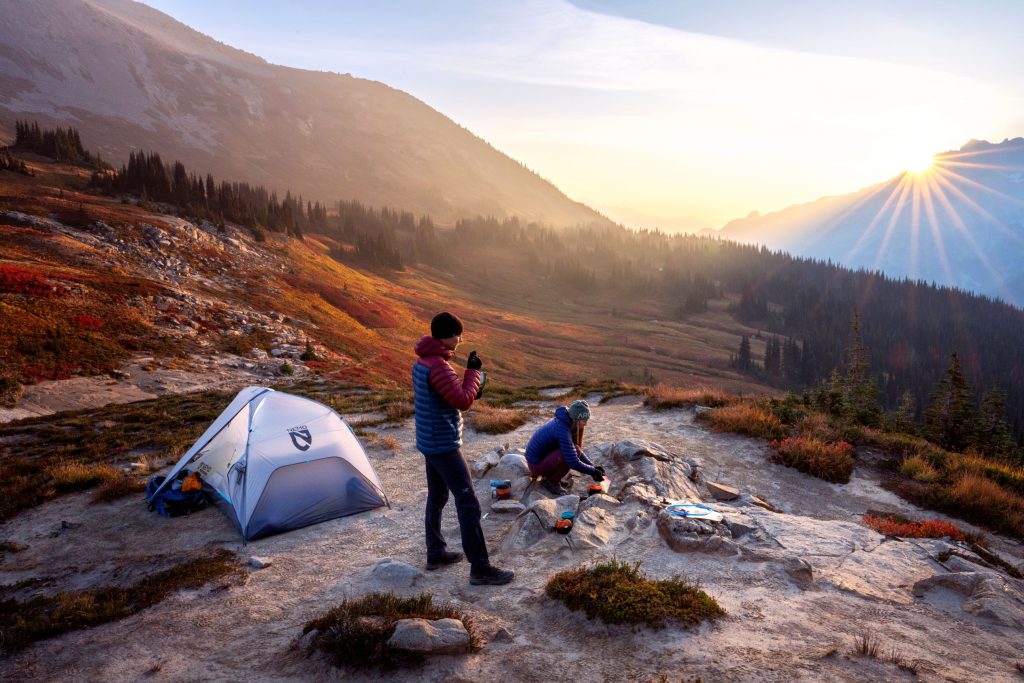
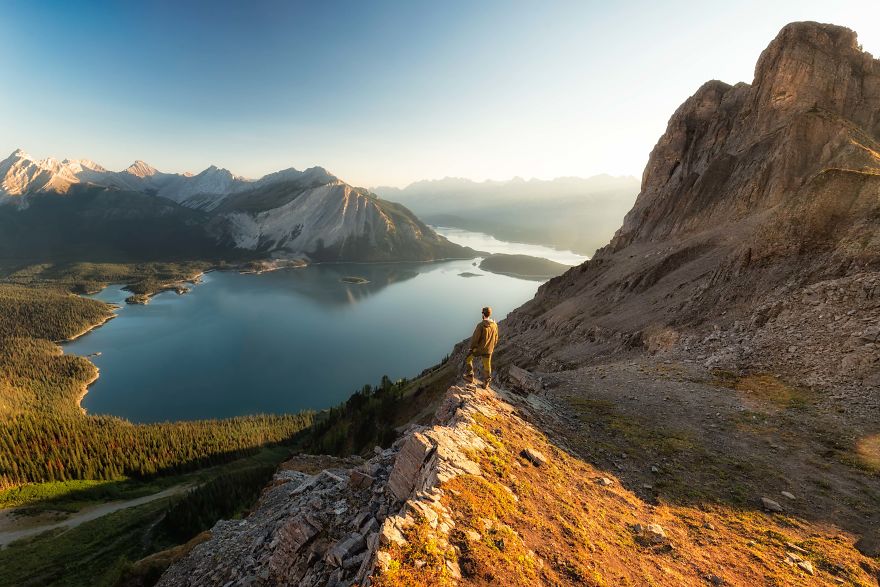
A Canadian wilderness solo adventure is one of the most rewarding and transformative experiences you can have, allowing you to explore untouched nature while relying entirely on yourself. With endless forests, towering mountains, crystal-clear lakes, and diverse wildlife, this journey offers freedom, self-discovery, and a deep connection with nature.
A Canadian wilderness solo adventure is not just about traveling; it’s about stepping outside your comfort zone, building independence, and experiencing raw natural beauty without distractions. Whether you are a beginner or an experienced traveler, this guide will help you prepare for an unforgettable journey.
Why Choose a Canadian Wilderness Solo Adventure?
static.boredpanda.com
Traveling solo in the Canadian wilderness offers a unique experience that is very different from group travel or city tourism.
1. Total Freedom
When you travel alone, every decision is yours. You can choose your route, your pace, and your activities without compromise. Want to spend hours by a lake or hike an extra mile? You are free to do so.
2. Deep Connection with Nature
Without distractions, you become more aware of your surroundings. The sound of birds, the rustling leaves, and the flow of rivers feel more intense and meaningful.
3. Personal Growth
A solo wilderness trip challenges you mentally and physically. You learn problem-solving, resilience, and independence.
4. Digital Detox
Many wilderness areas in Canada have no signal, allowing you to disconnect from technology and reconnect with yourself.
Best Locations for a Canada Wilderness Solo Trip
Canada is massive, and choosing the right location is important for a successful solo journey.
1. National Parks
Canada’s national parks are ideal for solo travelers because they are well-maintained and relatively safe.
- Rocky Mountain regions offer breathtaking scenery
- Forest parks provide peaceful solitude
- Lakeside areas are perfect for camping and reflection
2. Remote Forest Areas
For more experienced adventurers, remote forests provide deeper isolation. These areas are less crowded but require advanced planning and survival skills.
3. Coastal Wilderness
Canada’s coastlines offer dramatic views of oceans, cliffs, and wildlife such as whales and seabirds.
4. Northern Wilderness
The northern regions provide a true off-grid experience with untouched landscapes, but they are best suited for experienced explorers.
Planning Solo Adventure
Proper planning is the key to a safe and enjoyable experience.
1. Choose the Right Season
- Summer: Ideal for beginners due to mild weather
- Fall: Beautiful scenery but cooler temperatures
- Winter: Requires advanced survival skills
- Spring: Unpredictable conditions
2. Research Your Destination
Understand the terrain, weather conditions, wildlife, and available facilities. Knowing what to expect helps reduce risks.
3. Inform Someone About Your Plan
Always tell a trusted person your itinerary, including where you are going and when you expect to return.
4. Prepare Essential Gear
Key items include:
- Tent and sleeping bag
- Navigation tools (map and compass)
- Food and water supplies
- First aid kit
- Emergency equipment
Essential Skills for Solo Wilderness Travel
Before going on a Canadian wilderness solo trip, you should develop some basic outdoor skills.
1. Navigation
You must know how to read maps and use a compass. GPS devices are helpful, but should not be your only tool.
2. Camping Skills
Learn how to set up a tent, build a safe campfire, and store food properly.
3. Basic Survival Skills
Understanding how to find water, stay warm, and signal for help is essential.
4. Wildlife Awareness
Canada is home to animals such as bears, moose, and wolves. Knowing how to behave around wildlife is crucial for safety.
Safety Tips for Canada Wilderness Solo Travelers
Safety should always be your top priority.
1. Stay Within Your Limits
Do not attempt routes or activities beyond your skill level.
2. Carry Emergency Supplies
Always have extra food, water, and emergency tools.
3. Be Weather-AwareThe weatherr in the wilderness can change quickly. Always check forecasts and be prepared.
4. Practice Leave No Trace
Respect nature by minimizing your impact. Do not leave waste behind.
Mental Preparation for Solo Travel
Traveling alone in the wilderness is as much a mental challenge as it is physical.
1. Embrace Solitude
Being alone can feel uncomfortable at first, but it becomes peaceful over time.
2. Stay Calm Under Pressure
Unexpected situations can happen. Staying calm helps you think clearly and make better decisions.
3. Build Confidence
Each challenge you overcome increases your confidence and self-reliance.
What to Expect During Your Canada Wilderness Solo Journey
A Canadian wilderness solo adventure is a unique experience filled with beauty, challenges, and moments of self-discovery. If it’s your first time, you might wonder what the journey will actually feel like. Understanding what to expect can help you prepare mentally and physically, so you can enjoy every moment with confidence.
Here’s what you can realistically expect during your solo trip in the Canadian wilderness.
1. Breathtaking Natural Scenery
One of the first things you’ll notice is the incredible landscape.
Expect to see:
- Vast forests stretching for miles
- Crystal-clear lakes and rivers
- Mountains and open skies
The scenery constantly changes, and each location offers something unique. These views often feel more powerful when experienced alone.
2. A True Sense of Solitude
Unlike city life, the wilderness offers real solitude.
You may:
- Go hours without seeing another person
- Experience complete silence
- Feel both peaceful and slightly uncomfortable at first
This solitude is part of the journey. Over time, it often becomes one of the most rewarding aspects of the experience.
3. Physical Challenges
A solo wilderness trip is not always easy.
You might face:
- Long hikes with heavy gear
- Uneven or steep terrain
- Fatigue after a full day of activity
Your body will be tested, but this challenge is also what makes the experience fulfilling.
4. Changing Weather Conditions
The weather in the Canadian wilderness can be unpredictable.
You may experience:
- Sudden rain
- Temperature drops
- Strong winds
Being prepared for weather changes is essential to staying safe and comfortable.
Benefits of a Canadian Wilderness Solo Experience
A Canadian wilderness solo adventure is more than just an outdoor trip; it’s a powerful journey that can positively impact your mind, body, and overall perspective on life. Traveling alone in nature offers unique benefits that are difficult to find in everyday routines or even in group travel.
Here are the most important benefits you can gain from experiencing the Canadian wilderness on your own.
1. Improved Mental Health
Spending time in nature has been proven to reduce stress, anxiety, and mental fatigue.
In the wilderness:
- You are بعيد from noise and pressure
- Your mind can rest and reset
- Natural surroundings promote calmness
The quiet environment allows your brain to slow down, helping you feel more relaxed and refreshed.
2. Stronger Sense of Independence
When you travel alone, every decision is yours.
You will:
- Plan your route
- Solve problems on your own
- Take responsibility for your safety
This builds a strong sense of independence and self-reliance that stays with you long after the trip ends.
3. Increased Self-Confidence
Facing challenges alone can be intimidating, but overcoming them is incredibly rewarding.
Simple achievements like:
- Navigating a trail
- Setting up camp
- Handling unexpected situations
All contribute to a boost in confidence. You begin to trust your abilities more.
4. Deep Connection with Nature
Without distractions, your connection to nature becomes much stronger.
You start to notice:
- Small details in your surroundings
- Changes in weather and light
- Sounds of wildlife and wind
This awareness creates a deeper appreciation for the natural world.
5. Personal Growth and Self-Discovery
A solo wilderness experience gives you time to reflect.
You may:
- Discover new strengths
- Understand your limits
- Gain clarity about your goals
Being alone allows you to think more clearly and understand yourself better.
6. Freedom and Flexibility
One of the greatest advantages of solo travel is complete freedom.
You can:
- Change your plans anytime
- Move at your own pace
- Choose activities based on your mood
There are no compromises;s everything is entirely up to you.
Common Mistakes to Avoid in a Canadian Wilderness Solo Adventure
A Canadian wilderness solo adventure can be an incredible experience, but it also comes with real challenges. Many beginners—and even experienced travelers make avoidable mistakes that can turn a great trip into a stressful or even dangerous situation.
Understanding these common mistakes will help you stay safe, prepared, and fully enjoy your journey.
1. Underestimating the Wilderness
One of the biggest mistakes is thinking the wilderness is easy to handle.
Nature in Canada is vast, unpredictable, and sometimes harsh. Weather can change quickly, trails can be more difficult than expected, and help may be far away.
What to do instead:
Respect the environment. Always prepare for tougher conditions than you expect.
2. Poor Planning
Going into the wilderness without a clear plan is risky.
Some travelers:
- Don’t research the area
- Don’t check weather forecasts
- Don’t plan routes or timelines
What to do instead:
Create a simple but detailed plan, including your route, schedule, and backup options.
3. Overpacking or Underpacking
Packing too much makes your trip physically exhausting, while packing too little leaves you unprepared.
Common issues:
- Carrying unnecessary items
- Forgetting essential gear like a first aid kit or proper clothing
What to do instead:
Pack only what you truly need and test your gear before the trip.
4. Ignoring Weather Conditions
The weather in the wilderness can shift rapidly.
Many solo adventurers:
- Ignore forecasts
- Continue hiking during dangerous conditions
What to do instead:
Always check the weather before and during your trip. Be ready to adjust your plans if conditions change.
5. Lack of Navigation Skills
Relying only on a phone or GPS is a common mistake.
Batteries can die, and signals may disappear.
What to do instead:
Learn how to use a map and a compass. Always carry them as a backup.
Tips for First-Time Solo Adventurers in Canada Wilderness Solo
Starting your first Canadian wilderness solo adventure can feel exciting, but also a little intimidating. The key is to prepare well, start simple, and build confidence step by step. Here are practical and easy-to-follow tips to help first-time solo adventurers have a safe, enjoyable, and unforgettable experience.
1. Start Small and Simple
You don’t need to begin with a long or extreme expedition.
Choose:
- Short trails
- Well-known parks
- Areas with basic facilities
Starting small helps you gain experience without feeling overwhelmed. As your confidence grows, you can take on more challenging trips.
2. Choose the Right Location
For your first solo trip, pick a location that is beginner-friendly.
Look for places that:
- Have clear trails
- Are not too remote
- Have some level of supervision or nearby help
Avoid extremely isolated areas until you gain more experience.
3. Plan Everything in Advance
Planning reduces stress and increases safety.
Make sure you:
- Know your route
- Check weather conditions
- Prepare your itinerary
- Estimate how long each activity will take
A clear plan helps you stay organized and confident during your trip.
4. Inform Someone You Trust
Always tell a friend or family member about your plans.
Share:
- Your destination
- Your route
- Your expected return time
This ensures someone knows where you are in case of an emergency.
How to Make the Most of Your Canada Wilderness Solo Experience
A Canadian wilderness solo adventure is not just about reaching a destination; it’s about fully experiencing every moment along the way. To truly make the most of your journey, you need to be intentional with how you approach your time in nature. Here are practical and easy-to-follow ways to maximize your experience.
1. Slow Down and Embrace the Journey
One of the biggest mistakes solo travelers make is rushing. In the wilderness, the journey itself is the reward.
Take your time while hiking, pause to observe your surroundings, and allow yourself to fully absorb the beauty around you. Notice the details—the sound of wind through trees, the reflection of mountains on a lake, or the patterns in the sky.
Slowing down helps you feel more connected to nature and makes your experience more meaningful.
2. Disconnect from Technology
A key part of a Canadian wilderness solo trip is stepping away from digital distractions.
Turn off unnecessary notifications, limit phone usage, and avoid constantly checking your device. Use technology only when needed, such as for navigation or emergencies.
By disconnecting, you give yourself the chance to reconnect—with nature, your thoughts, and your emotions.
3. Be Fully Present
Being physically in nature is not enough—you need to be mentally present too.
Avoid overthinking or worrying about things outside your trip. Focus on what is happening around you right now. Whether you are setting up camp, cooking, or simply resting, give your full attention to the moment.
This mindfulness enhances your overall experience and creates lasting memories.
4. Keep a Personal Journal
Writing during your trip is a powerful way to capture your thoughts and emotions.
You can write about:
- What you experienced each day
- Challenges you faced
- Lessons you learned
- Moments that made you feel grateful
A journal not only helps you reflect but also becomes a meaningful record you can revisit in the future.
5. Challenge Yourself (But Stay Safe)
A solo wilderness trip is a great opportunity to push your limits.
Try something slightly outside your comfort zone, such as:
- Hiking a longer trail
- Waking up early for sunrise
- Cooking a new meal outdoors
However, always prioritize safety. Growth happens when you challenge yourself wisely, not recklessly.
6. Build a Simple Daily Routine
Having a basic routine can make your trip more enjoyable and less stressful.
For example:
- Morning: Wake up, enjoy the sunrise, and have breakfast
- Day: Explore, hike, or relax by a lake
- Evening: Set up camp, cook dinner, reflect
A routine provides structure while still allowing flexibility.
Conclusion: Canada Wilderness Solo
A Canadian wilderness solo adventure is more than just a trip; it is a journey of self-discovery, growth, and connection with nature. It challenges you, inspires you, and leaves you with memories that last a lifetime.
With proper planning, the right mindset, and essential skills, anyone can experience the beauty and freedom of traveling alone in the Canadian wilderness. Whether you are seeking peace, adventure, or personal growth, this journey offers it all. Take the first step, prepare wisely, and embrace the incredible experience that awaits you in the wild landscapes of Canada.