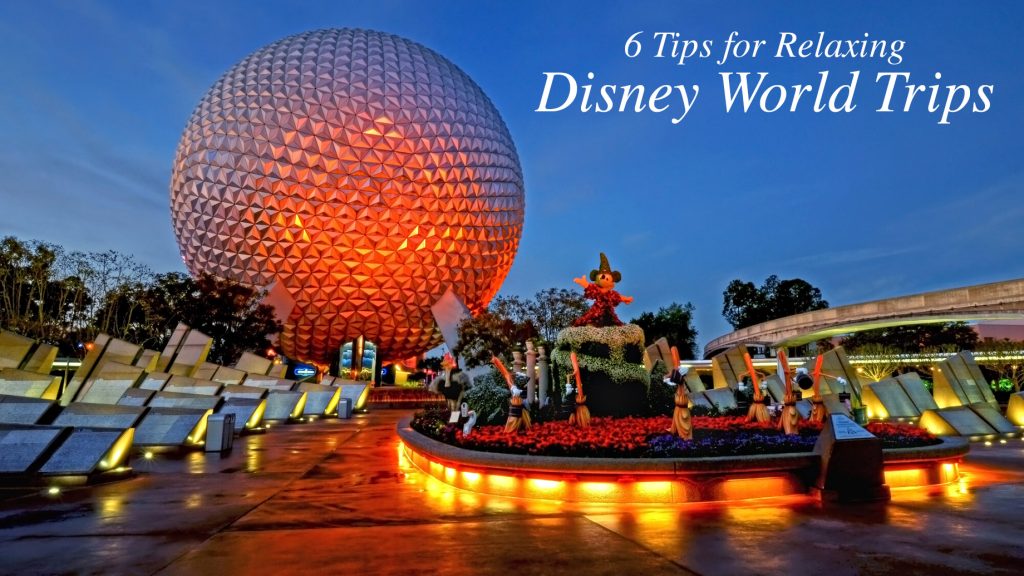
dirganews.com – A clandestine land acquisition project irrevocably altered the Central Florida landscape in the mid-1960s. This massive undertaking secured nearly 30,000 acres of swamp and scrubland. The result was not merely a theme park, but a complex, self-governing district that serves as a masterclass in urban planning, logistics, and psychological immersion. Today, many underestimate the scale of this enterprise because they view it through the narrow lens of a traditional vacation destination.
Approaching this subject requires analytical rigor. We must view the property as a multi-layered system where infrastructure, commerce, and guest psychology intersect. This massive kinetic environment operates 365 days a year and demands operational synchronization that rivals a mid-sized city or a major international airport. Complexity arises from the friction between engineered “magic” and the brutal efficiency required to sustain it behind the scenes.
This analysis moves past surface-level marketing to examine the structural reality of the Florida property. By dissecting logistical frameworks, the historical evolution of the Reedy Creek Improvement District, and economic variables, we can understand how this entity maintains its dominance. We are examining an ecosystem where every detail—from scent-emitting machines on the sidewalks to underground tunnel networks—represents a calculated component of a singular objective.
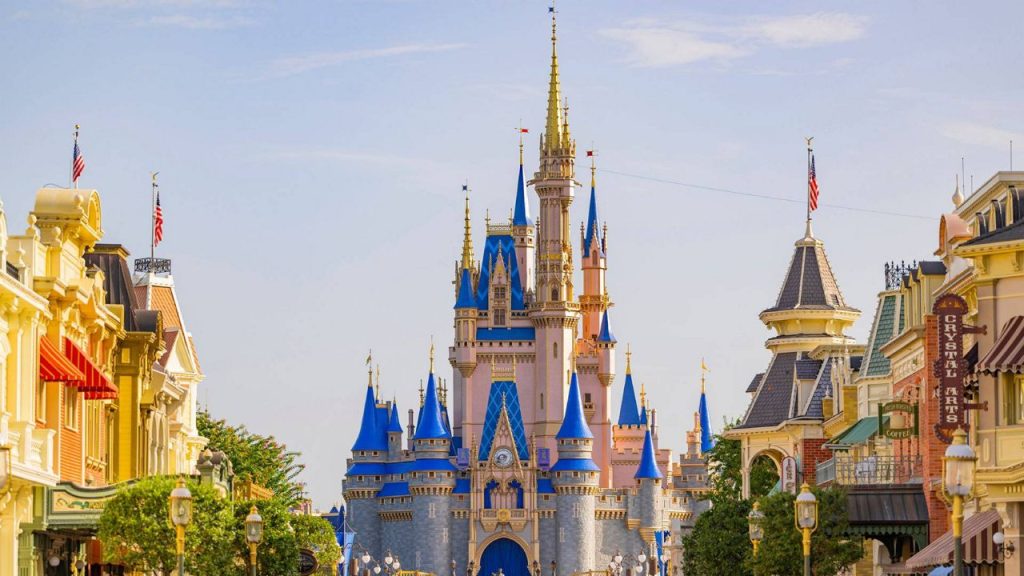
exploring “Exploring Walt Disney World Orlando.”
s7d2.scene7.com
Many use the phrase Exploring Walt Disney World Orlando as shorthand for a simple leisure activity, yet this represents a significant oversimplification. From a structural perspective, “exploring” in this context means navigating a high-density, high-information environment that requires heavy cognitive load and resource management. The property is not a single park, but a decentralized network consisting of four theme parks, two water parks, over two dozen resort hotels, and a sprawling commercial district, all linked by a proprietary transportation grid.
A primary misunderstanding suggests that this experience is passive. In reality, the modern iteration of the Florida resort presents an active management challenge. Guests must interact with digital queuing systems, real-time demand-based pricing, and complex logistical hurdles. To truly explore the property, one must engage with a sophisticated technological interface that mediates between physical space and user intent.
Furthermore, people often misunderstand the geographical reality. Many equate the Disney property with the city of Orlando itself. In fact, Disney World is an island of private governance located in Lake Buena Vista and Bay Lake. This distinction matters because district autonomy allows for environmental control impossible in a standard municipal setting. When one begins exploring Walt Disney World Orlando, they enter a controlled experiment in “Themed Entertainment,” where systems filter the friction of the outside world through layers of infrastructure and service design.
Contextual Background: The Evolution of a Private State
The limitations of Disneyland in California triggered the birth of the Florida project. Developers sought a location where they could control the entire horizon without the distraction of third-party motels and neon signs. This drove the formation of the Reedy Creek Improvement District (RCID), a legislative masterstroke that granted the company the powers of a county government, including the right to issue tax-exempt bonds and manage its own emergency services.
Historically, the property has passed through three distinct eras:
-
The Master Plan Era (1971–1982): Focused on foundational infrastructure with the Magic Kingdom as the sole anchor, supported by a monorail system.
-
The Expansion Era (1982–1998): The opening of EPCOT Center, Disney-MGM Studios, and Disney’s Animal Kingdom transformed the destination into a “total vacation kingdom.”
-
The Digital Integration Era (2013–Present): The launch of MyMagic+, Genie+, and Lightning Lane systems marked the virtualization of the park experience.
Conceptual Frameworks and Mental Models
Navigating the complexity of the Florida resort requires specific mental models to avoid “choice paralysis.”
The Opportunity Cost Framework
In a high-cost environment, time becomes the most valuable currency. Every hour spent in a queue means losing an hour at another attraction or resting. Guests must constantly weigh the “cost” of an experience in minutes against its perceived value.
The “On-Stage” vs. “Backstage” Dichotomy
This represents the fundamental principle of Disney’s operational philosophy. “On-stage” includes everything visible to the guest with perfect aesthetics. “Backstage” is the utilitarian world containing warehouses and the “Utilidor” tunnel system.
Key Categories and Trade-offs
When exploring Walt Disney World Orlando, one must categorize the experience to manage resources effectively.
| Category | Primary Benefit | Significant Trade-off |
| Deluxe Resorts | Proximity and Transport | High capital expenditure. |
| Value Resorts | Entry-level pricing | High noise; bus reliance. |
| Individual Lightning Lane | Guaranteed top-tier access | Additional per-person cost. |
| Table Service Dining | Controlled climate/seating | Requires 60-day planning. |
Decision Logic: The “Value” vs. “Convenience” Spectrum
The decision to stay at a “Value” resort versus a “Deluxe” resort is a logistical calculation. A guest at a Deluxe resort near Epcot can walk to two different theme parks, bypassing the bottleneck of the bus system. The logic dictates that if the goal is maximum park time with minimum transit friction, the higher cost is an investment in time recovery.
Detailed Real-World Scenarios
The Inclement Weather Disruption
Central Florida is prone to sudden, heavy thunderstorms, particularly in the summer.
-
Constraint: Outdoor attractions close immediately for lightning.
-
Failure Mode: Thousands of guests rush toward indoor attractions simultaneously, causing wait times to spike.
-
Strategic Adjustment: Shifting focus to “World Showcase” in EPCOT or indoor shows before the storm breaks.
The High-Demand Opening (The “Drop”)
The first 60 minutes of park operation are the most critical for efficiency.
-
Decision Point: Does one “Rope Drop” a single high-tier attraction or three mid-tier attractions?
-
Second-Order Effect: By the time the high-tier attraction is finished, the rest of the park has filled, ending the period of low-wait times.
Economic Dynamics and Resource Allocation
The financial reality of the resort is built on a “tiered access” model. Beyond the base ticket price, there are multiple layers of optional spending.
Estimated Daily Expenditure Ranges (Per Person):
| Expense Level | Ticket & Genie+ | Food & Beverage | Total Daily (Est) |
| Standard | $160 – $190 | $60 – $80 | $220 – $270 |
| Mid-Tier | $200 – $230 | $100 – $130 | $300 – $360 |
| Premium | $250+ | $200+ | $450+ |
Tools, Strategies, and Support Systems
The modern landscape of Exploring Walt Disney World Orlando requires a suite of digital and physical tools to navigate a high-density, high-information environment. As of 2026, the ecosystem has moved toward a model of “planned spontaneity,” where guests use advanced digital interfaces to pre-allocate their time while maintaining flexibility through real-time data.
1. The Digital Core: My Disney Experience (MDE)
The MDE app serves as the central nervous system for any visit. It has evolved into a comprehensive management portal that eliminates many traditional “friction points.”
-
Real-Time Data Integration: Beyond wait times, the app now uses predictive modeling to suggest “what’s next” based on current crowd flows and your personal preferences.
-
Direct-to-Room Service: For resort guests, the app handles mobile check-in and acts as a digital key, allowing you to bypass the front desk entirely and head straight to your room upon arrival.
-
MagicMobile Service: This turns your smartphone or Apple Watch into your park ticket, room key, and payment method, reducing the reliance on physical MagicBands.
2. The Lightning Lane System
In 2026, the queuing infrastructure is divided into three distinct tiers of paid access, which replaced the older Genie+ system to provide more pre-planning certainty.
-
Lightning Lane Multi Pass: Allows guests to pre-book up to three attractions in a single park before their trip begins (7 days in advance for resort guests, 3 days for others). Once in the park, users can “roll” these selections, booking a new one as soon as the first is redeemed.
-
Lightning Lane Single Pass: Reserved for the most high-demand “E-Ticket” attractions (e.g., Guardians of the Galaxy: Cosmic Rewind). These are purchased individually and allow for a specific arrival window.
-
Lightning Lane Premier Pass: The highest-tier option, offering one-time entry to every available Lightning Lane in a single park without the need to schedule specific times. It represents the ultimate strategy for those prioritizing time over capital.
3. Virtual Queues
While many top attractions have transitioned back to standby lines by 2026, the Virtual Queue (VQ) remains a tool for managing “brand new” attraction launches.
-
Digital Lottery: Access is typically granted through the MDE app at 7:00 AM and 1:00 PM.
-
The “No-Line” Benefit: Successful entry into a VQ allows guests to explore other areas of the park until their “Boarding Group” is called, effectively removing the physical 4-hour line.
4. Advanced Transportation Networks
The physical act of exploring Walt Disney World Orlando is supported by a proprietary transit grid that is a feat of engineering in its own right.
-
The Disney Skyliner: A high-capacity gondola system that has become the preferred mode of transport for Epcot and Hollywood Studios resorts. It offers a “constantly moving” solution that avoids the batch-loading delays of buses.
-
Minnie Van Service: A premium point-to-point ride-share service (powered by Lyft) that utilizes Disney-trained drivers. It is the only ride-share authorized to drop off at the front gates of the Magic Kingdom, bypassing the Transportation and Ticket Center (TTC) bottleneck.
-
The Monorail: While a legacy system, it remains a critical “spine” for the Magic Kingdom resort area, though it is subject to routine refurbishments that require guests to pivot to ferry boats or buses.
5. Support Systems for Specialized Needs
Disney’s infrastructure for accessibility is globally recognized for its depth.
-
Disability Access Service (DAS): Designed for guests who, due to developmental disabilities like autism, cannot wait in a conventional queue. As of 2026, registration is handled primarily via pre-arrival video chat, allowing for a return-time system that mimics the standby wait without the physical confinement of a line.
-
Rider Switch: A logistical tool for families with small children, allowing one parent to wait with the child while the other rides, then swapping places without waiting in the full line a second time.
-
Mobile Checkout: To alleviate retail congestion, “scan-as-you-shop” features in the MDE app allow guests to pay for merchandise on their phones, bypassing traditional checkout lines.
6. Dining and Subsistence Strategies
-
Mobile Order: Now the standard for quick-service dining. Guests “check in” when they are near the restaurant, and the kitchen begins preparation only then, ensuring food temperature and reducing seating area overcrowding.
-
Walk-up Waitlists: For table-service restaurants, the app allows guests to see real-time availability for “last-minute” seating, providing flexibility for those who didn’t book 60 days in advance.
Risk Taxonomy and Failure Modes
-
System Latency: The MDE app risks glitches during high traffic at 7:00 AM.
-
Transportation Bottlenecks: Mechanical issues on the monorail trigger sudden, heavy loads on the bus system.
-
Planning Fatigue: Rigid schedules often ignore the daily exhaustion of guests.
-
Crowd Saturation: At full capacity, basic infrastructure reaches its breaking point.
Governance, Maintenance, and Long-Term Adaptation
wallup.net
For the guest, this represents a service availability risk.
Adjustment Triggers
The property uses real-time heat mapping. If an area becomes too crowded, management deploys street performers to pull crowds toward underutilized zones.
Measurement and Evaluation
Leading Indicators:
-
Attractions per day: A pure metric for efficiency.
-
Wait time ratio: Comparing posted wait times vs. actual time spent.
Lagging Indicators:
-
Total expenditure vs. Budget: Financial adherence.
-
Physical exhaustion levels: Calculating step counts against recovery time.
Common Misconceptions
-
“It’s just for kids”: Data shows a large percentage of adult travelers without children.
-
“Summer is the best time”: Extreme heat makes summer the most physically taxing period.
-
“Genie+ is a scam”: It is a time-management tool whose value depends on usage frequency.
-
“Staying off-site saves money”: Parking fees and the loss of early entry time often erase these savings.
Conclusion
Success when exploring Walt Disney World Orlando does not depend on trying to “do everything,” but on understanding the underlying systems to make informed decisions. This resort proves the power of “Place Making.” It is a self-contained world operating with its own logic and economy. Mastering it means understanding that “magic” is the output of a complex, meticulously managed machine.