dirganews.com – Mount Singgalang is one of the most popular hiking destinations in West Sumatra, Indonesia. Known for its damp trails, thick moss forests, and dramatic foggy atmosphere, this mountain offers a hiking experience that feels very different from other peaks in Sumatra. Standing at approximately 2,877 meters above sea level, Mount Singgalang is tall enough to present real challenges, yet still accessible to beginner and intermediate hikers who prepare properly.
One of the mountain’s most iconic attractions is Telaga Dewi, a mystical natural lake located not far from the summit. Often covered by thin mist, this lake adds a sense of calm and mystery after a long and demanding hike. Combined with lush tropical vegetation, cool temperatures, and a peaceful environment, Mount Singgalang has become a favorite for hikers seeking both adventure and tranquility.
This article serves as a complete guide to hiking Mount Singgalang, covering essential information about the mountain, trail conditions, recommended equipment, outdoor technology benefits, and why proper gear is crucial for safety and comfort. Written in a clear and easy-to-understand style, this guide is suitable for general readers, outdoor enthusiasts, and those planning their first hiking trip in West Sumatra.
Overview of Mount Singgalang
i.pinimg.com
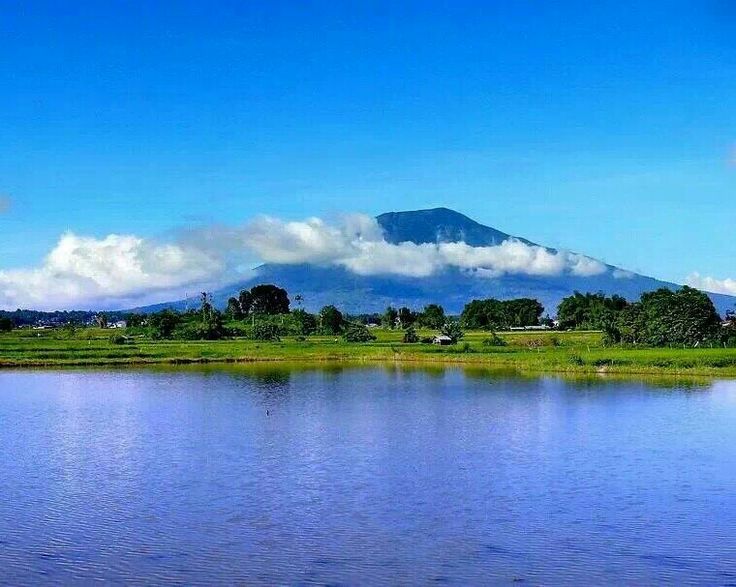
Mount Singgalang is part of the Bukit Barisan mountain range, which stretches along the western side of Sumatra from Aceh to Lampung. Unlike active volcanoes such as Mount Marapi, Singgalang is currently inactive. However, its terrain is far from easy. The mountain is famous for its extremely humid environment, dense vegetation, and thick layers of moss covering trees, rocks, and even the trail itself.
This constant moisture makes the hiking paths slippery throughout the year. Rainfall is frequent, and fog can appear suddenly, especially in the afternoon or near the summit. As a result, hikers must be physically prepared and equipped with proper gear designed for wet and cold conditions.
Despite these challenges, Mount Singgalang offers breathtaking natural beauty. Towering trees, lush ferns, moss-covered trunks, and the quiet sound of forest life create a peaceful hiking experience. The mountain is often described as mystical, especially when fog rolls through the forest, limiting visibility and adding a dramatic atmosphere.
Telaga Dewi: The Sacred Lake Near the Summit
2.bp.blogspot.com
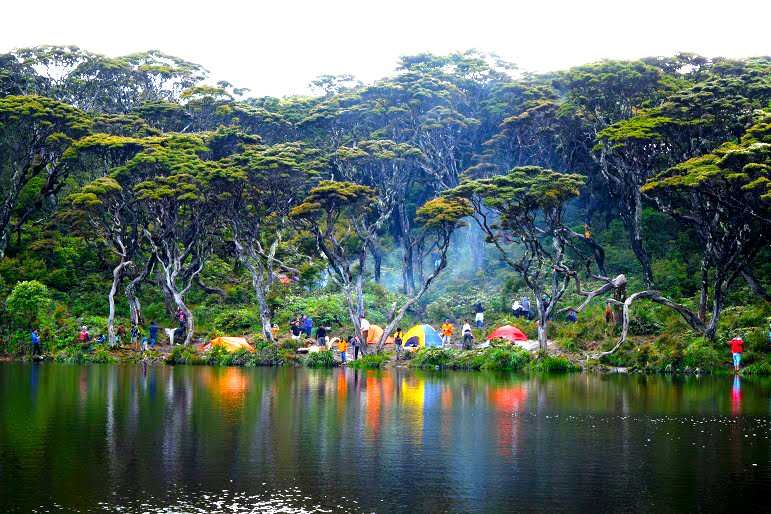
One of the main highlights of Mount Singgalang is Telaga Dewi, a small natural lake located close to the summit area. The lake is surrounded by dense forest and often wrapped in mist, giving it a calm and almost spiritual feel.
Many hikers use Telaga Dewi as a resting point before or after reaching the summit. The location is ideal for taking photos, relaxing, and enjoying the quiet environment after hours of trekking through challenging terrain. Due to the cold temperatures and high humidity, visitors are advised not to swim in the lake but simply enjoy its beauty.
The presence of Telaga Dewi adds emotional value to the hike. It is not just a destination, but a reward after enduring muddy paths, steep climbs, and slippery roots.
Hiking Routes on Mount Singgalang
Mount Singgalang has two main hiking routes commonly used by climbers. Each route offers a different experience and level of difficulty.
Pandai Sikek Route
The Pandai Sikek route is the most popular trail and is often chosen by beginner hikers. The path is relatively clearer, and trail markers are easier to find. However, do not underestimate this route. The trail remains wet and slippery, especially after rain.
The forest is thick, and the humidity is high. Proper footwear with a strong grip is essential on this route. While it is considered more beginner-friendly, physical endurance is still required due to the long distance and elevation gain.
Koto Baru Route
The Koto Baru route is more natural and less crowded. It is steeper, more challenging, and covered with thick moss and exposed tree roots. This trail is suitable for hikers who enjoy technical terrain and want a more immersive forest experience.
Because it is less frequently used, hikers must be more cautious. Navigation skills, stamina, and strong equipment are important when choosing this route. Fog tends to be thicker here, and visibility can drop quickly.
Both routes share the same main challenges: humidity, slippery ground, and unpredictable weather. Choosing the right route depends on experience level and physical readiness.
Why Proper Equipment Is Essential for Mount Singgalang
Hiking Mount Singgalang is not just about reaching the summit. It is about surviving and enjoying the journey safely. The mountain’s wet environment increases the risk of slipping, hypothermia, fatigue, and minor injuries.
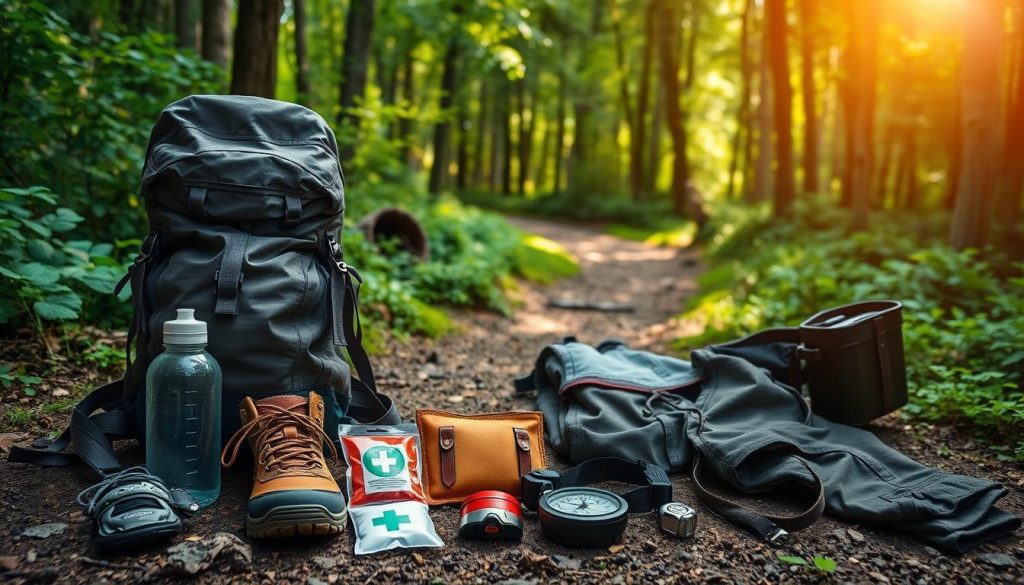
Using the right outdoor equipment significantly improves comfort, reduces risk, and helps hikers conserve energy. Below are five essential outdoor gear items recommended for hiking Mount Singgalang, explained with benefits, technology features, and real-world use cases.
Essential Hiking Gear for Mount Singgalang
expatjourneylife.com
1. 60-Liter Hiking Backpack (Carrier)
A 60-liter hiking backpack is ideal for carrying all necessary equipment without overloading the body. When hiking Mount Singgalang, hikers usually bring extra clothing, rain protection, food supplies, cooking equipment, and emergency gear.
A high-quality backpack made from water-resistant or waterproof materials is extremely important due to constant moisture and rain.
Technology Benefits
- Airflow back system improves ventilation and reduces sweat buildup
- Ripstop fabric increases durability against branches and rough terrain
- Compression straps stabilize the load and improve balance
Use Case
- Keeps gear dry during rain and fog
- Reduces back and shoulder fatigue on long climbs
- Helps organize supplies efficiently
2. Anti-Slip Hiking Boots with Ankle Support
The trails of Mount Singgalang are often muddy, covered in wet leaves, moss, and exposed roots. Hiking boots with high-grip soles are essential to prevent slipping.
Ankle support is also critical to reduce the risk of sprains on uneven ground.
Technology Benefits
- High-traction outsole improves grip on slippery surfaces
- Water-resistant upper keeps feet dry
- Ankle protection design enhances stability
Use Case
- Prevents slipping on wet forest trails
- Protects ankles during steep descents
- Maintains foot comfort in long hikes
3. Waterproof and Insulated Hiking Jacket
A waterproof jacket with insulation is one of the most important items for Mount Singgalang. The cold, wet environment can quickly lower body temperature, especially during rest periods or night hikes.
Modern hiking jackets are designed to be waterproof yet breathable.
Technology Benefits
- Waterproof membrane blocks rain and moisture
- Breathable fabric prevents overheating
- Windproof layer protects against cold mountain winds
Use Case
- Prevents hypothermia
- Keeps body temperature stable
- Improves comfort in changing weather
4. Headlamp with High Brightness and Long Battery Life
Due to thick forest coverage, Mount Singgalang can feel dark even during the daytime. A headlamp is essential for night hikes, early morning starts, or foggy conditions.
Headlamps free both hands, allowing hikers to maintain balance.
Technology Benefits
- High-lumen LED light improves visibility
- Multiple lighting modes save battery life
- Water-resistant casing works in rain and fog
Use Case
- Enhances safety during low visibility
- Helps identify roots, rocks, and trail markers
- Reduces risk of falls
5. Lightweight Trekking Poles
Trekking poles are extremely helpful on Mount Singgalang’s slippery terrain. They reduce pressure on knees and provide additional balance on steep slopes.
Modern trekking poles are lightweight, adjustable, and easy to carry.
Technology Benefits
- Shock-absorbing system protects joints
- Aluminum alloy material offers strength and light weight
- Adjustable height suits different terrains
Use Case
- Improves stability on muddy paths
- Reduces fatigue during long descents
- Helps maintain balance in foggy conditions
The Importance of Choosing the Right Gear
Choosing proper equipment is not about luxury; it is about safety and endurance. On a mountain like Singgalang, poor gear can quickly turn a pleasant hike into a dangerous situation.
Good equipment:
- Reduces the risk of injury
- Increases hiking efficiency
- Improves comfort and confidence
- Allows hikers to focus on the experience rather than discomfort
Proper preparation also helps protect the environment by preventing unnecessary accidents that may require rescue operations.
Who Is Mount Singgalang Suitable For?
Mount Singgalang is suitable for:
- Beginner hikers with good preparation
- Intermediate hikers seeking a scenic challenge
- Nature lovers and photographers
- Hikers looking for a calm and less crowded mountain
It may not be ideal for absolute beginners with no hiking experience or those unprepared for wet and cold environments.
FAQ
Is Mount Singgalang suitable for beginner hikers?
Yes, Mount Singgalang can be suitable for beginner hikers as long as they are well prepared. The Pandai Sikek route is commonly chosen by beginners because the trail is clearer and easier to follow. However, the terrain is often wet and slippery, so beginners should use proper hiking gear, have basic physical fitness, and ideally hike with more experienced companions.
What is the best time of year to hike Mount Singgalang?
The best time to hike Mount Singgalang is during the dry season, generally between May and September. During this period, rainfall is lower, and trail conditions are safer. Even in the dry season, fog and light rain can still occur, so waterproof equipment is always recommended.
How long does it take to hike Mount Singgalang?
The hiking time depends on the route and the hiker’s pace. On average, it takes 2 to 3 days for a round trip, including rest time and an overnight camp. The ascent usually takes longer due to slippery terrain and high humidity, while the descent requires extra caution.
Conclusion
Mount Singgalang is one of West Sumatra’s most atmospheric hiking destinations. With its moss-covered forests, constant mist, and the serene beauty of Telaga Dewi, the mountain offers a unique experience that feels both challenging and peaceful.
The humid terrain, slippery trails, and unpredictable weather make preparation essential. By using the right equipment—such as proper hiking boots, waterproof jackets, trekking poles, reliable backpacks, and headlamps—hikers can significantly improve safety and enjoyment.
Whether you are seeking a quiet escape into nature, a photography adventure, or a meaningful hiking journey close to urban areas, Mount Singgalang is a destination worth exploring. With proper planning and respect for nature, this mountain offers an unforgettable experience for anyone willing to walk its misty paths.