dirganews.com – The island system surrounding Phuket operates within a layered geographic and socio-economic structure that resists easy categorization. While frequently described in simplified terms as beaches, resorts, and island-hopping routes, the broader region reflects a far more complex interaction between coastal ecosystems, tourism economies, maritime logistics, and long-standing cultural patterns. The result is not a singular destination but a dynamic network of islands, each shaped by distinct environmental conditions and degrees of human intervention.
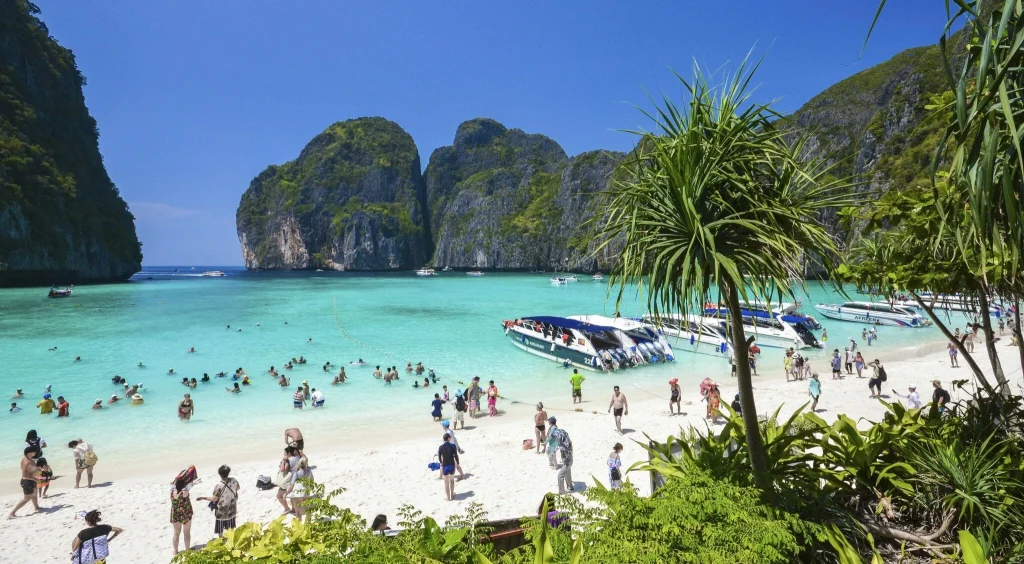
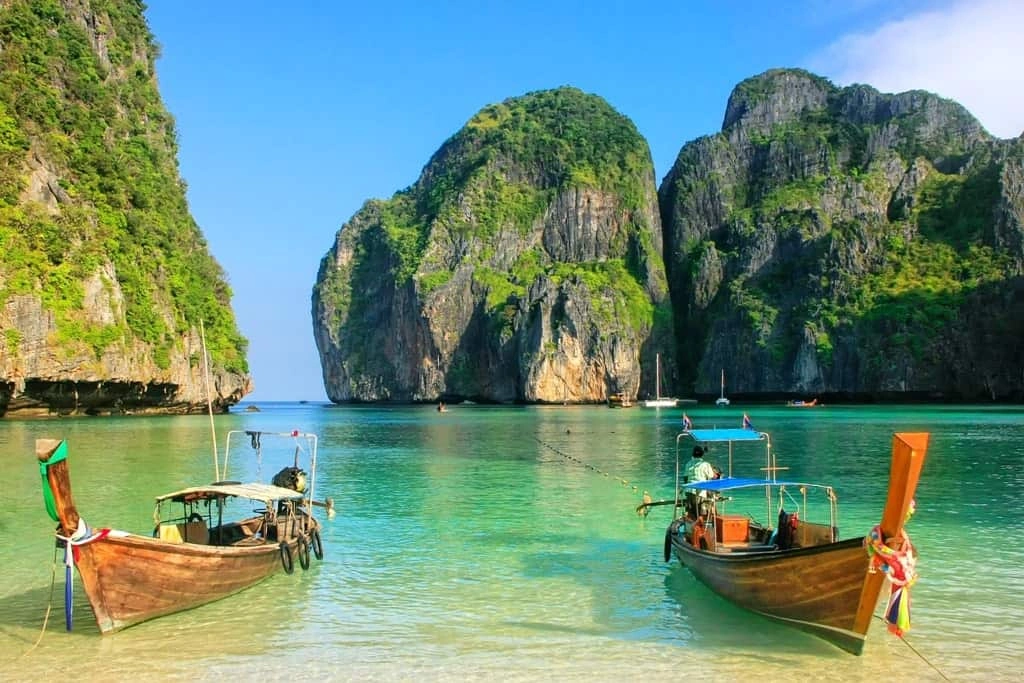
The phrase Phuket Islands, Thailand often appears as a convenient shorthand, yet it compresses a wide spectrum of experiences into a single conceptual frame. Some islands function as high-capacity tourism hubs with developed infrastructure, while others remain relatively untouched, accessible only through specific transport windows or weather-dependent routes. This uneven distribution of accessibility introduces variability that cannot be fully captured through standard travel descriptions.
Beyond geography, there is an underlying tension between preservation and utilization. Coral reef systems, mangrove coastlines, and marine biodiversity coexist alongside increasing visitor volume, transport activity, and coastal development. These interactions generate both opportunities and constraints, influencing how the region evolves and how visitors experience it.
To understand the Phuket island system in a meaningful way requires moving past surface-level descriptors and engaging with its internal logic—how movement occurs, how environments respond to pressure, and how decisions shape outcomes. This article approaches the subject as a structured system rather than a collection of attractions, offering a detailed examination of its components, variations, and long-term dynamics.
Understanding “Phuket Islands Thailand”
wallpapercave.com
The phrase Phuket Islands, Thailand tends to simplify a geographically and operationally complex region into a single, unified concept. At first glance, it suggests a coherent system of islands functioning under similar conditions. In practice, however, the region is defined by fragmentation—differences in accessibility, environmental sensitivity, infrastructure, and visitor capacity.
At its core, the term refers to the network of islands surrounding Phuket, including both heavily visited locations and lesser-known areas. Engagement with these islands can take several forms:
- Structured tourism (organized tours, fixed itineraries, scheduled routes)
- Semi-structured exploration (flexible itineraries with partial infrastructure)
- Independent navigation (custom routes, private transport, limited support)
Each approach carries different implications. Structured tourism prioritizes predictability and efficiency but often reduces flexibility. Independent exploration allows deeper engagement but introduces logistical complexity.
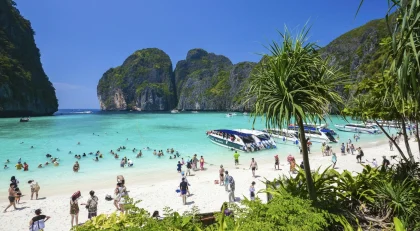
A common misunderstanding is that all islands within this system offer similar experiences. In reality, variation is the defining characteristic. Some islands are built around high-density tourism with established services, while others maintain ecological sensitivity that limits access.
Another oversimplification involves equating visual appeal with experiential depth. Well-known destinations often deliver immediate visual impact but may lack environmental or cultural immersion. Conversely, less prominent islands may offer fewer iconic views but enable a more nuanced interaction with local ecosystems and communities.
Deep Contextual Background
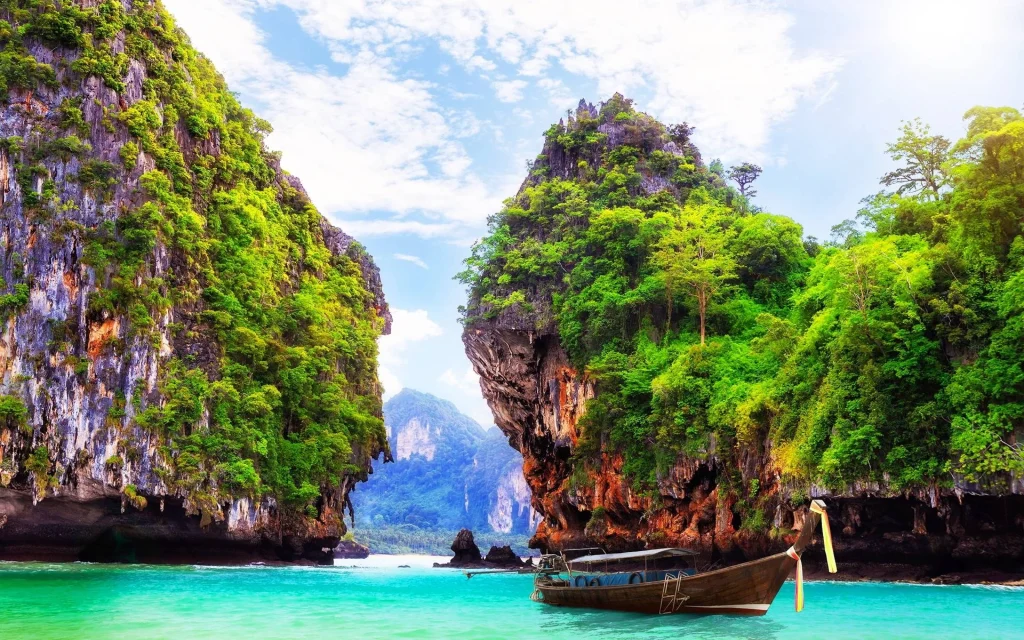
The development of the Phuket island system is rooted in geological formation and maritime geography. The Andaman Sea, characterized by limestone karsts and shallow reef systems, has shaped the physical structure of the islands. Over time, erosion and sedimentation processes have created varied coastal profiles, cliffs, lagoons, and sandy beaches.
Historically, Phuket served as a trading hub, with maritime routes connecting it to broader regional networks. Fishing communities and small settlements developed along the coastlines, adapting to seasonal patterns and resource availability.
The transition toward tourism began gradually but accelerated with infrastructure expansion, including airports, ports, and road networks. This shift reoriented the region’s economic structure, placing increasing emphasis on visitor-driven activity.
However, development has not been uniform. Certain islands became focal points for tourism investment, while others remained relatively untouched due to logistical constraints or environmental protection measures. This uneven growth produced a system characterized by contrast—intensive use in some areas, limited access in others.
Marine ecosystems have also played a critical role. Coral reefs, seagrass beds, and mangroves contribute to biodiversity but are sensitive to external pressures. As tourism expanded, these systems faced new challenges, including pollution, physical damage, and resource strain.
Conceptual Frameworks and Mental Models
1. Accessibility vs. Preservation Model
Increased accessibility tends to correlate with higher visitor volume, which can strain ecological systems. Conversely, restricted access supports preservation but limits experiential reach.
Limit: Some protected areas still experience indirect impact through surrounding activity.
2. Capacity Saturation Framework
Each island operates within a carrying capacity. Beyond this threshold, environmental degradation and reduced experience quality become more likely.
Limit: Capacity is dynamic, influenced by seasonality and management practices.
3. Route Dependency Model
Movement between islands is constrained by transport routes, weather conditions, and scheduling systems. These dependencies shape feasible itineraries.
Limit: Assumes stable conditions; disruptions can alter routes quickly.
4. Experience Gradient Model
Experience depth varies along a spectrum from high-visibility, low-engagement sites to low-visibility, high-engagement environments.
Limit: Subjective interpretation influences perceived depth.
5. Resource Allocation Framework
Time, budget, and energy must be distributed across competing priorities—transport, accommodation, and activities.
Limit: External factors, such as delay,s can disrupt allocation efficiency.
Key Categories and Variations
| Category | Characteristics | Advantages | Constraints |
|---|---|---|---|
| High-Traffic Islands | Developed infrastructure | Easy access, services | Crowding, reduced immersion |
| Mid-Tier Islands | Balanced development | Moderate access and engagement | Limited facilities |
| Remote Islands | Minimal infrastructure | High authenticity | Logistical complexity |
| Marine Parks | Protected ecosystems | Biodiversity exposure | Restricted access |
| Day-Trip Destinations | Short visits | Efficient exploration | Time constraints |
| Overnight Islands | Accommodation available | Deeper experience | Higher cost |
| Private Access Areas | Controlled entry | Exclusive environment | Limited availability |
Decision Logic
- Limited time → Day-trip destinations
- Moderate budget → Mid-tier islands
- High immersion → Remote or overnight islands
- Environmental interest → Marine parks
Real-World Scenarios and Decision Points
travelpassionate.com
High-Density Itinerary
Constraint: Limited time
Decision: Focus on popular islands
Failure Mode: Overcrowding reduces experience quality
Second-Order Effect: Reduced satisfaction despite efficiency
Balanced Exploration
Constraint: Moderate time and budget
Decision: Combine mid-tier and remote islands
Failure Mode: Underestimating travel time
Second-Order Effect: Resource depletion
Independent Navigation
Constraint: Limited support
Decision: Customize routes
Failure Mode: Misjudging transport availability
Second-Order Effect: Schedule disruption
Environmental Focus
Constraint: Restricted access areas
Decision: Prioritize protected zones
Failure Mode: Limited flexibility
Second-Order Effect: Narrower itinerary scope
Planning, Cost, and Resource Dynamics
| Category | Low Range | Mid Range | High Range |
|---|---|---|---|
| Transport | Shared boats | Private charters | Premium vessels |
| Accommodation | Budget stays | Mid-tier hotels | Luxury resorts |
| Activities | Self-guided | Guided tours | Specialized experiences |
Indirect costs include time loss, fatigue, and opportunity trade-offs.
Tools, Strategies, and Support Systems
- Transport scheduling systems
- Weather monitoring tools
- Flexible itinerary planning
- Resource allocation tracking
- Local coordination support
- Contingency planning methods
- Environmental awareness practices
Each tool improves efficiency but does not eliminate uncertainty.
Risk Landscape and Failure Modes
Primary Risks
- Weather variability
- Marine transport disruptions
- Environmental sensitivity
Compounding Risks
- Delays affecting multiple segments
- Resource depletion
- Reduced decision flexibility
Governance, Maintenance, and Long-Term Adaptation
Monitoring
- Weather conditions
- Transport availability
- Resource levels
Review Cycles
- Daily itinerary reassessment
- Mid-trip adjustments
Adjustment Triggers
- Environmental changes
- Schedule disruptions
Checklist
- Pre-trip planning
- On-site monitoring
- Post-trip evaluation
Measurement, Tracking, and Evaluation
Leading Indicators
- Schedule adherence
- Energy levels
- Resource usage
Lagging Indicators
- Completed itinerary
- Overall experience quality
Documentation
- Travel logs
- Cost tracking
- Route mapping
Common Misconceptions and Oversimplifications
- “All islands are similar.ar → High variability exists
- “More destinations equal better experience” → Depth may decrease
- “Access ensures quality” → Overcrowding reduces value
- “Short trips require less planning.ing” → Time pressure increases complexity
- “Remote always means better” → Depends on capability
Ethical and Contextual Considerations
The Phuket island system operates within a delicate environmental balance. Increased visitation places pressure on marine ecosystems, particularly coral reefs. Off-route exploration can accelerate degradation, even when impacts are not immediately visible.
Cultural considerations also play a role. Coastal communities maintain traditions that coexist with tourism. Respecting these contexts requires awareness of local norms and practices.
Sustainability depends on balancing access with preservation. Without this balance, long-term viability becomes uncertain.
Conclusion
The island network surrounding Phuket represents a complex system shaped by geography, history, and evolving human activity. It cannot be fully understood through simplified narratives or standardized itineraries.
An engagement with Phuket Islands Thailand, when approached with awareness and structured planning, reveals a layered environment where decisions carry both immediate and long-term consequences. The value of the experience lies not in maximizing destinations but in navigating the system with clarity, adaptability, and informed judgment. Rather than offering a single interpretation, the region supports multiple pathways, each defined by constraints, priorities, and evolving conditions.