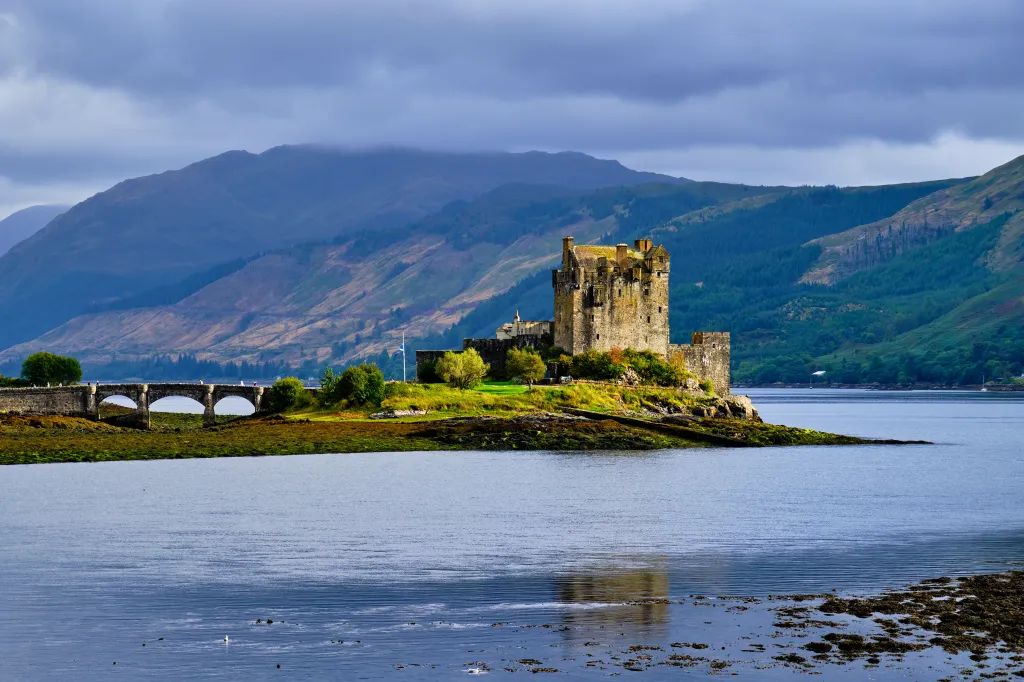
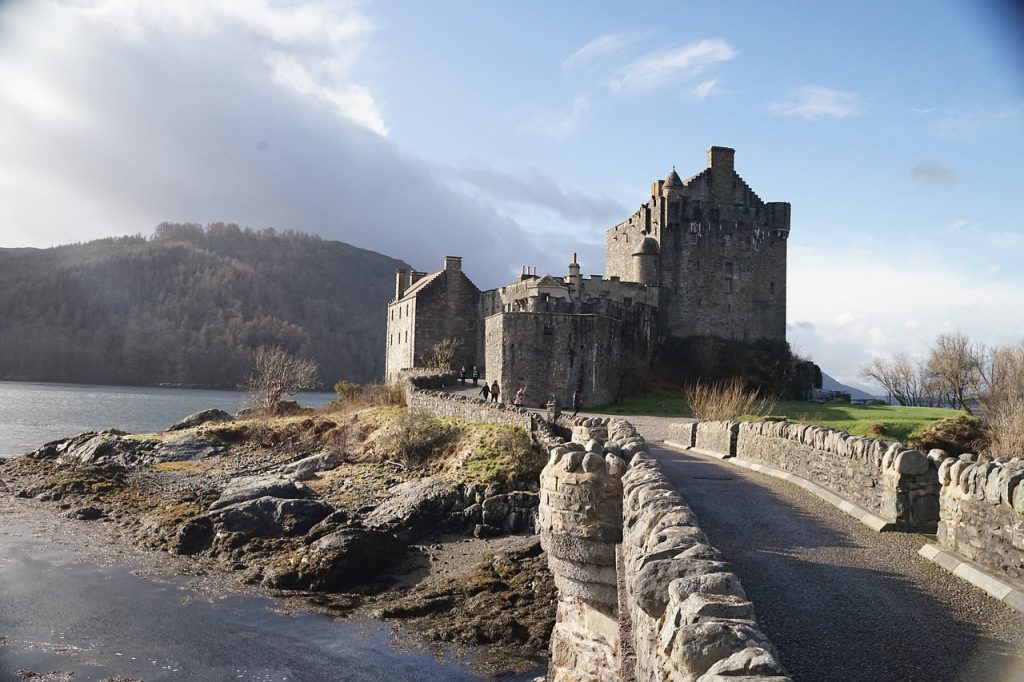
dirganews.com – The Scottish Highlands represent one of the most distinctive and visually striking regions in Europe. Known for their rugged mountains, deep valleys, vast moorlands, and dramatic coastlines, the Highlands offer a landscape that feels both expansive and intimate at the same time. While many people recognize the region through iconic images of mist rolling over hills or castles set against lochs, the reality of the Highlands is far more layered.
Understanding the Scottish Highlands requires more than simply appreciating their scenery. The region carries a deep historical legacy shaped by ancient geological forces, cultural traditions, and significant social changes. From early settlements to the transformation brought by the Highland Clearances, the Highlands have continuously evolved.
For travelers, researchers, or anyone curious about the region, the Highlands provide a unique combination of natural beauty and cultural depth. However, navigating this landscape, whether physically or conceptually, requires clarity. Distances can be deceptive, weather can change quickly, and access to services may vary widely depending on location.
This guide presents a comprehensive yet accessible overview of the Scottish Highlands. It explores geography, history, culture, travel logistics, and practical considerations in a way that remains easy to understand while still offering meaningful depth.
What Are the Scottish Highlands?
www.thescottishsun.co.uk
The Scottish Highlands refer to a large geographic area in the northern part of Scotland. Unlike a clearly defined administrative boundary, the term describes a region characterized by mountainous terrain, low population density, and a distinct cultural identity.
Key Characteristics
- Mountainous landscape: The Highlands contain many of the UK’s highest peaks, including Ben Nevis.
- Low population density: Large areas remain sparsely populated compared to the rest of the UK.
- Cultural identity: Traditions such as the Gaelic language, music, and heritage remain important.
- Diverse environments: From coastal cliffs to inland valleys, the terrain varies significantly.
Although the Highlands may appear remote, they are not entirely isolated. Roads, towns, and infrastructure exist, but they are spread out and sometimes limited.
Geography and Landscape
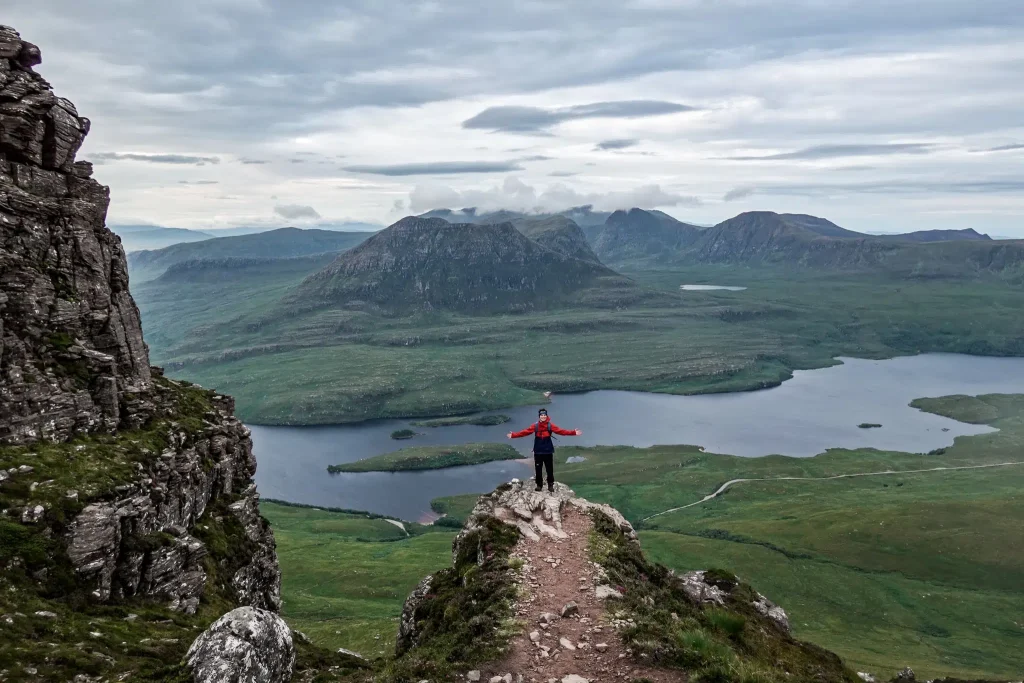
The geography of the Scottish Highlands is one of its most defining features. The region’s dramatic appearance comes from millions of years of geological activity combined with glacial shaping during the Ice Age.
Mountains and Glens
Mountains dominate much of the Highlands. These are not sharp, jagged peaks like those found in younger mountain ranges, but rather older, rounded formations shaped by erosion.
- Munros: Mountains over 3,000 feet, popular among hikers
- Glens: Deep valleys often formed by glaciers
- Ridges and plateaus: Common in higher elevations
Glens often serve as natural pathways through the mountains, and many roads and settlements follow these routes.
Lochs and Water Systems
The Highlands are home to many lochs (lakes), which add to the region’s visual and ecological diversity.
- Freshwater lochs: Often long and narrow, formed by glacial activity
- Sea lochs: Coastal inlets that resemble fjords
- Rivers and streams: Important for ecosystems and water supply
These water systems also influence weather patterns and local climates.
Coastlines and Islands
The western Highlands feature rugged coastlines with cliffs, beaches, and scattered islands. Offshore, the Hebrides extend the Highland landscape into the Atlantic Ocean.
Coastal areas tend to experience stronger winds and more variable weather compared to inland regions.
Climate and Weather
The weather in the Scottish Highlands is known for its unpredictability. Conditions can change rapidly, even within a single day.
Key Climate Features
- Frequent rainfall: Especially in western areas
- Cool temperatures: Even in summer, temperatures remain moderate
- Wind exposure: Strong winds are common in elevated areas
- Seasonal variation: Winter brings snow to higher ground
Because of these conditions, preparation is essential for anyone traveling or spending time outdoors in the Highlands.
History of the Scottish Highlands
cdn.pixabay.com
The Highlands have a rich and complex history that continues to shape the region today.
Early Settlements
People have lived in the Highlands for thousands of years. Early communities relied on farming, fishing, and small-scale trade.
Clan System
For centuries, Highland society was organized around clans, extended family groups led by chiefs. Clans controlled land and provided structure for social and political life.
The Highland Clearances
During the 18th and 19th centuries, many Highland residents were forced to leave their land. Landowners replaced small farms with large sheep pastures, leading to widespread displacement.
This period had lasting effects:
- Population decline in rural areas
- Changes in land ownership
- Cultural disruption
Modern Era
Today, the Highlands are shaped by tourism, conservation, and renewable energy projects. While some areas remain remote, others have developed infrastructure to support visitors and local communities.
Culture and Traditions
The Scottish Highlands maintain a strong cultural identity.
Gaelic Language
Scottish Gaelic remains an important part of Highland heritage, although fewer people speak it today compared to the past.
Music and Arts
Traditional music, including bagpipes and folk songs, continues to play a role in cultural events and daily life.
Festivals and Heritage
Events celebrating Highland culture often include:
- Traditional games
- Music performances
- Historical reenactments
These traditions help preserve a sense of identity in a changing world.
Travel and Accessibility
Traveling in the Scottish Highlands requires careful planning due to the region’s size and terrain.
Transportation Options
- Car travel: The most flexible option
- Public transport: Available but limited in remote areas
- Walking and hiking: Popular for exploring nature
Distances and Time
Distances in the Highlands can be misleading. Roads often wind through mountains and valleys, making travel slower than expected.
Outdoor Activities
The Highlands offer a wide range of outdoor experiences.
Hiking and Trekking
Hiking is one of the most popular activities. Routes range from short walks to multi-day treks.
Wildlife Observation
The region supports diverse wildlife, including:
- Red deer
- Golden eagles
- Marine life along the coast
Water Activities
Lochs and coastal areas provide opportunities for kayaking, fishing, and boating.
Accommodation Options
Visitors to the Highlands can choose from several types of accommodation:
- Hotels and guesthouses
- Self-catering cottages
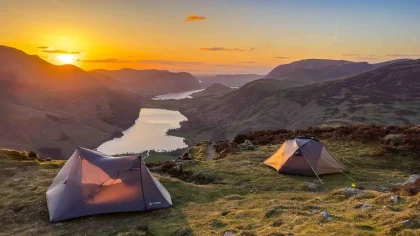
- Campsites
- Remote lodges
Each option offers different levels of comfort and accessibility.
Costs and Budget Considerations
Travel costs in the Scottish Highlands vary depending on style and season.
Typical Expenses
| Category | Budget | Mid-Range | High-End |
|---|---|---|---|
| Accommodation | Low | Moderate | High |
| Transport | Moderate | Moderate | High |
| Food | Low | Moderate | High |
| Activities | Low | Moderate | High |
Factors Affecting Costs
- Season (peak summer vs. off-season)
- Location (remote vs. accessible areas)
- Travel style (budget vs. luxury)
Safety and Practical Tips
Weather Awareness
Always check forecasts and prepare for sudden changes.
Navigation
Carry maps or GPS tools, especially in remote areas.
Emergency Preparedness
Limited phone signal in some areas means planning is essential.
Environmental Responsibility
The Highlands are a fragile environment. Visitors should follow responsible practices:
- Leave no trace
- Respect wildlife
- Stay on designated paths where required
Common Misconceptions
- “The Highlands are completely wild.”Much of the land is managed and has a long history of human use.
- “Travel is easy everywhere.”Infrastructure varies, and some areas require careful planning.
- “Weather is predictable.”Conditions can change quickly, even in summer.
Conclusion
The Scottish Highlands offer a landscape that combines natural beauty with deep cultural and historical significance. Understanding the region involves more than appreciating its scenery;y it requires awareness of its geography, climate, and human history.
Whether explored for travel, study, or general interest, the Highlands reward those who approach them with preparation and curiosity. Their complexity is part of what makes them so compelling, ensuring that each visit or exploration reveals new layers of understanding.