dirganews.com – A safari undertaken alone sits at the intersection of independence and exposure. It removes the buffering layer of companions, forcing every decision logistical, emotional, and ethical into sharper focus. The terrain itself does not change when one travels solo, but the experience of navigating it does. Risk is perceived differently, time is structured differently, and observation becomes less mediated. These shifts are subtle at first, then cumulative.
The idea of traveling alone through wildlife regions is often simplified into a narrative of freedom. That framing, while not entirely inaccurate, omits structural realities: regulatory constraints, ecosystem sensitivities, cultural interfaces, and the layered infrastructure that quietly supports even the most “independent” journeys. A solo traveler is never truly isolated; they are instead more directly exposed to the systems that govern access and safety.
Understanding this type of journey requires moving beyond imagery, sunrise drives, open plains, and wildlife encounters, and toward a more complex analysis. What does autonomy actually look like in controlled conservation areas? How does decision-making change when accountability is singular? What trade-offs emerge between flexibility and support?
This article treats the subject not as a lifestyle aspiration, but as a structured activity shaped by systems, constraints, and evolving practices. The goal is to provide a durable reference one that reflects both the visible and less visible dimensions of traveling alone in safari contexts.
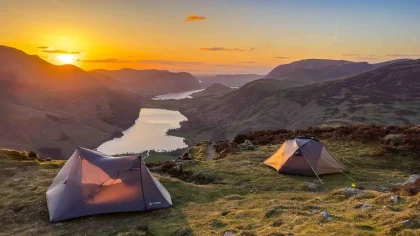
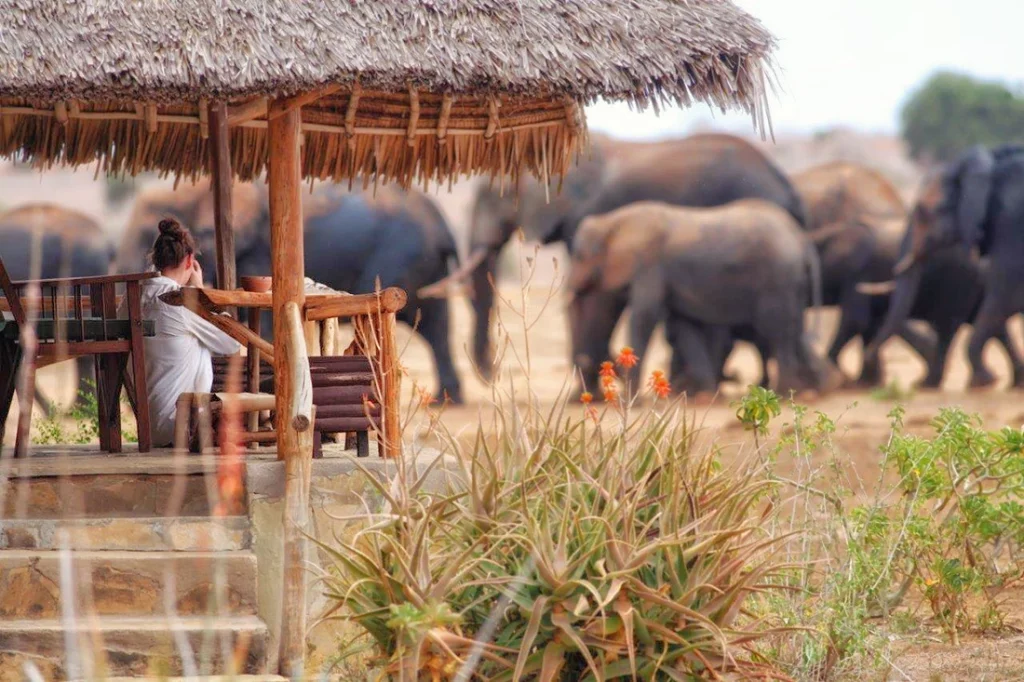
solo safari adventure
anettemossbacher.com
The phrase “solo safari adventurer” is frequently interpreted in narrow terms: a single traveler exploring wildlife areas independently. Yet this surface definition obscures several important distinctions. “Solo” does not necessarily mean unsupported, and “adventure” does not necessarily imply risk-seeking behavior. Instead, the concept operates along multiple axes: autonomy, infrastructure reliance, and environmental exposure.
At one end of the spectrum lies structured independence: travelers moving alone but within highly regulated parks, guided by established routes, park rules, and safety systems. At the other end lies low-support exploration in remote reserves or conservancies, where self-reliance becomes more pronounced and margins for error narrow.
A common misunderstanding is the assumption that solo travel inherently increases danger. In practice, risk is less about solitude itself and more about decision density. Without shared responsibility, each judgment, timing, navigation, and wildlife proximity carries greater weight. Conversely, solo travel can also reduce certain risks, such as group-induced pressure to pursue unsafe activities or adhere to rigid itineraries.
Oversimplification often arises from conflating emotional independence with operational independence. Feeling self-directed does not eliminate the need for permits, guides in restricted zones, or adherence to conservation protocols. A more accurate interpretation recognizes solo safaradventureur as a mode of engagement, one that shifts how systems are experienced rather than removing them.
Deep Contextual Background
Safari travel has evolved through several distinct phases. Early expeditions in the late 19th and early 20th centuries were largely extractive—focused on hunting and exploration, often supported by large teams. These journeys were logistically complex and socially hierarchical, leaving little room for individual autonomy.
The transition toward photographic safaris in the mid-20th century reshaped both infrastructure and ethics. National parks and conservation areas formalized access, introduced regulations, and created standardized routes. This shift enabled smaller groups and, eventually, individual travelers to participate.
The emergence of solo safari adventure tourism is tied closely to broader trends in global mobility. Improvements in transportation, digital navigation tools, and decentralized booking systems reduced barriers to entry. At the same time, conservation policies became more sophisticated, balancing accessibility with ecological protection.
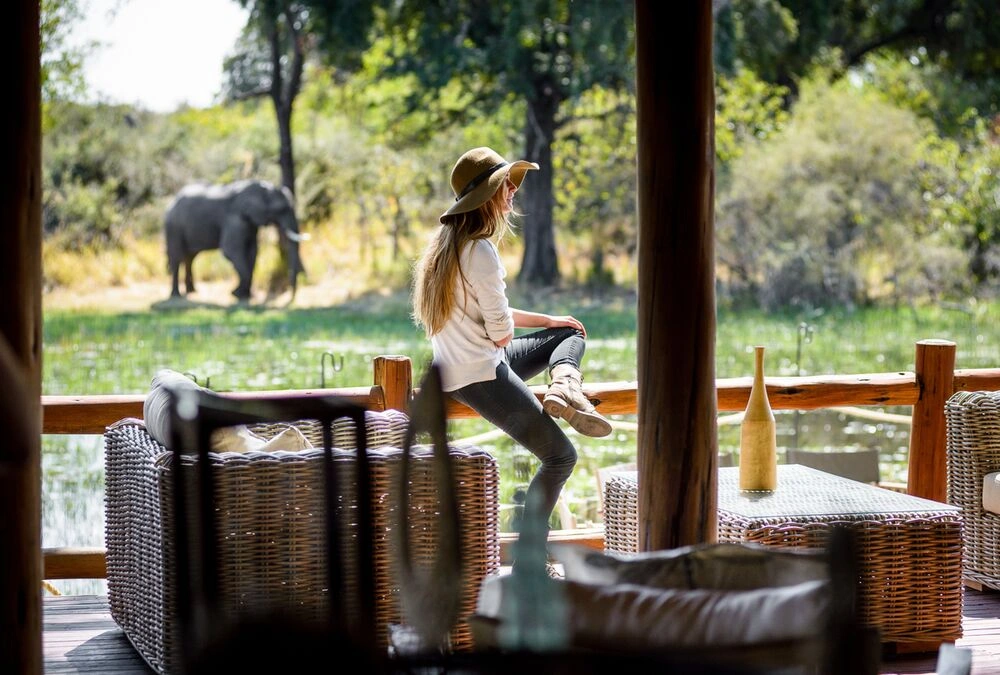
Today, the landscape is hybrid. High-end lodges offer curated experiences with minimal decision-making, while self-drive reserves and community-run conservancies allow for greater independence. The solo traveler navigates between these models, selecting degrees of structure based on preference, experience, and tolerance for uncertainty.
Conceptual Frameworks and Mental Models
1. Autonomy vs. Constraint Model
Every safari operates within a framework of constraints, legal, environmental, and logistical. Autonomy is not the absence of these constraints but the ability to operate effectively within them. Solo travelers must continuously calibrate how much independence is practical versus performative.
Limit: Overemphasizing autonomy can lead to underestimating regulatory or safety requirements.
2. Exposure Gradient
This model views safari experiences along a gradient of exposure to wildlife, isolation, and unpredictability. Solo travel shifts individuals further along this gradient, increasing both potential reward and consequence.
Limit: Exposure is not linear; small increases can produce disproportionate effects.
3. Decision Load Theory
Without shared responsibility, cognitive load increases. Each decision—route selection, timing, resource allocation—must be processed individually, often in dynamic environments.
Limit: Decision fatigue can degrade judgment over time, especially in multi-day itineraries.
4. System Dependency Framework
Even the most independent safari relies on underlying systems: park management, emergency response, and local communities. Recognizing these dependencies allows for better planning and risk mitigation.
Limit: These systems vary widely in reliability across regions.
5. Observation Depth Model
Solo travel often enhances observational capacity. Without social distraction, attention can be more focused, leading to deeper engagement with the environment.
Limit: Increased focus can also narrow situational awareness if not balanced.
Key Categories and Variations
Primary Safari Modes for Solo Travelers
| Category | Description | Advantages | Trade-offs |
|---|---|---|---|
| Self-Drive Safaris | Independent driving within parks | Maximum flexibility | Requires navigation and risk awareness |
| Guided Solo Safaris | Individual traveler with a professional guide | Expert insight, safety | Reduced autonomy |
| Lodge-Based Safaris | Staying at fixed accommodation with structured activities | Convenience | Limited control over the schedule |
| Mobile Camping Safaris | Moving camps across regions | Immersive experience | Logistically complex |
| Walking Safaris | On-foot exploration with guides | High engagement | Higher physical and safety demands |
| Fly-In Safaris | Air transfers between remote lodges | Access to remote areas | Higher cost, less spontaneity |
Decision Logic
Selecting the appropriate category involves balancing three variables:
- Experience Level: Novices often underestimate the complexity of navigation and wildlife behavior.
- Risk Tolerance: Some modes inherently involve higher exposure.
- Desired Engagement: Depth of interaction with the environment varies significantly.
No single category is inherently superior; effectiveness depends on alignment between traveler capability and environmental demands.
Real-World Scenarios and Decision Points
Self-Drive in a Large National Park
A solo traveler navigates a vast park with limited signage.
- Constraint: Sparse fuel stations
- Decision Point: Whether to extend a route or return early
- Failure Mode: Running low on fuel in remote areas
- Second-Order Effect: Increased stress impacts decision quality
Walking Safari in Mixed Terrain
A guided walking experience through varied ecosystems.
- Constraint: Wildlife unpredictability
- Decision Point: Maintaining a safe distance
- Failure Mode: Misjudging animal behavior
- Second-Order Effect: Overreliance on the guide reduces situational awareness
Remote Lodge Stay
A traveler stays in a secluded lodge with limited connectivity.
- Constraint: Fixed activity schedule
- Decision Point: Participation vs. independent exploration
- Failure Mode: Underutilizing available expertise
- Second-Order Effect: Reduced depth of experience
Multi-Region Fly-In Safari
Transitioning between ecosystems via small aircraft.
- Constraint: Weather variability
- Decision Point: Adjusting itinerary
- Failure Mode: Delays disrupting the sequence
- Second-Order Effect: Compressed schedules reduce observational quality
Planning, Cost, and Resource Dynamics

achfonline.org
Safari costs extend beyond visible expenses. They include preparation time, opportunity costs, and variability factors such as seasonality.
Cost Range Overview
| Category | Low Range | Mid Range | High Range |
|---|---|---|---|
| Accommodation | Basic camps | Mid-tier lodges | Luxury lodges |
| Transport | Self-drive | Mixed transport | Private charters |
| Permits | Minimal | Standard | Premium access |
| Guides | Optional | Occasional | Dedicated |
| Total Estimate | Moderate | High | Very high |
Indirect costs include:
- Time investment in planning
- Equipment acquisition
- Insurance and contingency reserves
Variability is driven by:
- Seasonal demand
- Geographic location
- Infrastructure quality
Tools, Strategies, and Support Systems
1. Navigation Systems
GPS and offline mapping tools reduce reliance on signage but require redundancy.
2. Communication Devices
Satellite phones or radios are critical in low-connectivity areas.
3. Pre-Trip Intelligence
Understanding park rules, wildlife patterns, and local conditions.
4. Local Networks
Engaging with local guides or communities enhances situational awareness.
5. Itinerary Buffers
Allowing flexibility to absorb delays or unexpected conditions.
6. Equipment Redundancy
Backup supplies mitigate single-point failures.
Risk Landscape and Failure Modes
Risks in solo safari adventures are rarely singular. They compound.
Risk Taxonomy
- Environmental: Weather, terrain
- Biological: Wildlife behavior
- Operational: Equipment failure
- Cognitive: Decision fatigue
- Systemic: Infrastructure limitations
Compounding Effects
A minor delay can cascade:
Delay → Reduced daylight → Increased navigation difficulty → Elevated risk exposure
Governance, Maintenance, and Long-Term Adaptation
Effective solo safari practice requires ongoing adjustment.
Monitoring Systems
- Daily review of conditions
- Continuous reassessment of plans
Adjustment Triggers
- Weather changes
- Resource depletion
- Physical or cognitive fatigue
Layered Checklist
- Pre-departure verification
- Daily operational checks
- End-of-day evaluation
Measurement, Tracking, and Evaluation
Indicators
Leading Indicators:
- Energy levels
- Resource availability
- Environmental conditions
Lagging Indicators:
- Route efficiency
- Wildlife sightings
- Incident occurrence
Documentation Examples
- Daily travel logs
- Wildlife observation records
- Resource consumption tracking
- Decision reflection notes
These records support both immediate adjustments and long-term learning.
Common Misconceptions
- “Solo means unsafe.”
Risk depends on decisions, not solitude alone. - “More independence equals better experience.”
Excess autonomy can reduce depth if it limits access to expertise. - “Wildlife encounters are predictable.”
Patterns exist, but variability remains high. - “Planning reduces spontaneity.”
Structured planning often enables more meaningful flexibility. - “Equipment solves most problems.”
Tools support decisions but do not replace judgment. - “All parks offer similar experiences.”
Variability between regions is significant.
Ethical and Contextual Considerations
Solo safari travel intersects with broader ethical questions:
- Conservation Impact: Adherence to rules protects ecosystems.
- Community Interaction: Respect for local cultures and economies.
- Resource Use: Minimizing environmental footprint.
Ethical practice is not an optional layer but a structural component of sustainable travel.
Conclusion
A solo safari is less about isolation and more about direct engagement with systems, environments, and decision-making processes. It strips away intermediaries, making both strengths and limitations more visible.
The concept of solo safari adventure resists simplification because it operates within overlapping domains: ecological, logistical, psychological, and ethical. Mastery lies not in eliminating uncertainty but in navigating it with clarity and adaptability.
Over time, patterns emerge. Decisions become more informed, risks more legible, and experiences more layered. Yet the environment remains dynamic, ensuring that no two journeys are identical. The enduring value of traveling alone in such contexts lies in this balance between structure and unpredictability, independence and interdependence.