dirganews.com – The Basque Country, or Euskadi, exists as a profound anomaly within the European landscape. It is a territory defined not merely by its geography, a rugged intersection of the Pyrenees and the Bay of Biscay, but by a linguistic and cultural identity that predates the Roman Empire and the subsequent rise of the Indo-European nations. For the traveler, this region represents a departure from the traditional Mediterranean imagery often associated with the Iberian Peninsula. Here, the landscape is Atlantic: verdant, humid, and defined by a limestone topography that has historically isolated its people, preserving a language, Euskara, that remains a linguistic isolate with no known relatives.
In 2026, the structural reality of the region is one of high-functioning autonomy. The Basque Autonomous Community operates with a level of fiscal and administrative independence unique within Spain, governed by the “Economic Agreement,” which allows for local tax collection and management. This systemic strength has transformed the region from a post-industrial rust belt in the late 20th century into a global benchmark for urban regeneration and high-value services. The “Bilbao Effect” was not merely about a museum; it was the catalyst for a systemic overhaul of infrastructure and environmental policy that continues to evolve.
To engage with this territory is to navigate a complex layering of identities. There is the political Euskadi, the broader cultural Euskal Herria (which includes the Foral Community of Navarre and the three provinces of the French Basque Country), and the hyper-local identity of the baserri (farmhouse) culture. Understanding the Basque Country requires an analytical lens that can separate the aesthetic of its Michelin-starred coastlines from the deep-seated industrial heritage and the linguistic pride that forms the bedrock of its social cohesion.
Understanding “Exploring Spain’s Basque Country”
www.explore.com
To approach the task of exploring Spain’s Basque Country is to enter a space where history is not linear but layered. A common oversimplification is to view the region as a “miniature Spain” with better food. This misses the fundamental “Otherness” of the Basque experience. In reality, the region functions as an Atlantic society that shares more environmental and psychological traits with Brittany or Ireland than with Andalusia. The exploration of this space requires a multi-perspective understanding of its linguistic sovereignty, its industrial resilience, and its gastronomic philosophy.
One of the primary misunderstanding risks involves the administrative fragmentation of the Basque identity. Travelers often conflate the three provinces of the Basque Autonomous Community with the entirety of the Basque people. However, a robust exploration must acknowledge Iparralde (the northern part of France) and Navarre. To ignore the relationship between these entities is to miss the “trans-border” nature of the Basque soul, where families and cultural traditions have historically flowed across the Pyrenees regardless of the shifting borders of the Spanish and French states.
In 2026, the region is also defined by its “Regenerative Tourism” model. The government has moved away from high-volume mass tourism toward a strategy that prioritizes “Value over Volume.” This means that the “best” way to explore the region is no longer through a checklist of landmarks, but through a structured engagement with its “Intangible Heritage,” the bertsolaritza (improvised poetry), the pilota courts in every village, and the seasonal rhythms of the cider houses.
Deep Contextual Background: The Atlantic Bastion
The Basques are widely considered the oldest continuous ethnic group in Europe. While the origins of their language remain a mystery to linguists, their presence in the Western Pyrenees predates the arrival of Indo-European tribes. This deep-time residency has created a culture of “Hyper-Localism,” where the etxea (the ancestral home) is the center of the universe. Historically, the Basque identity was tied to the Fueros, local laws that granted them significant privileges and exemptions from the Spanish crown, a precursor to the modern autonomy they enjoy today.
The 20th century was a period of intense structural trauma and subsequent triumph. Following the suppression of Basque culture during the mid-century dictatorship, the transition to democracy in 1975 sparked a cultural and linguistic renaissance. The industrial decline of the 1980s, which saw the collapse of the steel and shipbuilding industries in the Nervión estuary, led to the bold “Strategic Plan for the Revitalization of Metropolitan Bilbao.” This was not just an architectural pivot but a wholesale reimagining of the region as a knowledge-based, service-oriented economy.
By the mid-2020s, this evolution has culminated in a region that is a leader in renewable energy (specifically offshore wind), high-speed rail integration, and sustainable gastronomy. The Basque Country today is a case study in how a distinct minority culture can leverage its unique identity to thrive within a globalized framework without sacrificing its linguistic or social integrity.
Conceptual Frameworks and Mental Models
www.travelinglifestyle.net
To navigate the Basque Country effectively, one should employ these three mental models:
1. The “Baserri-to-Bilbao” Continuum
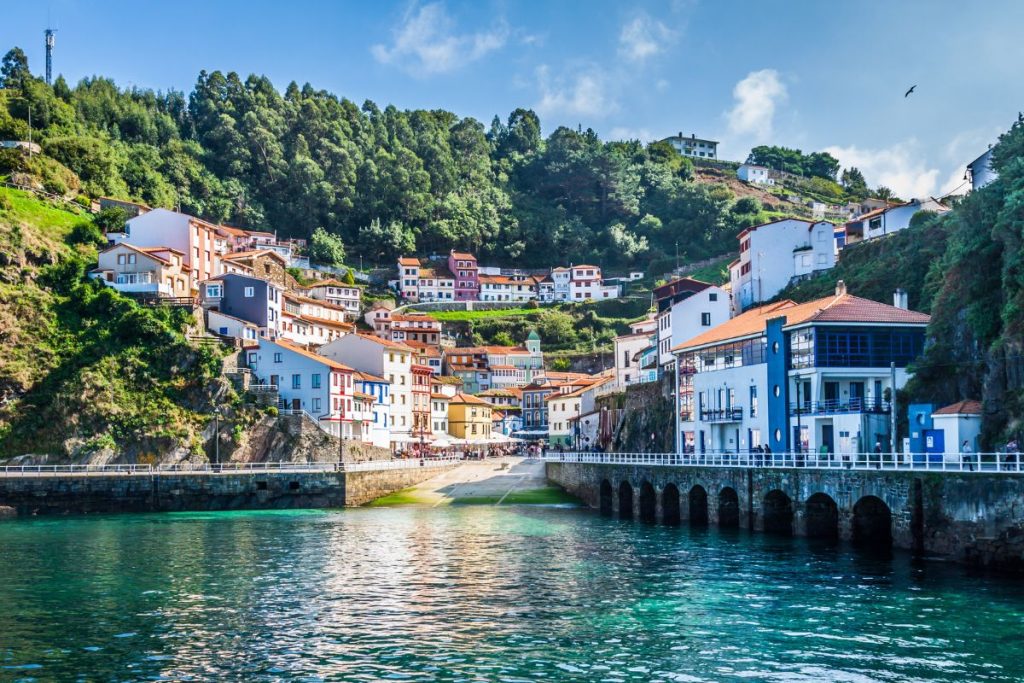
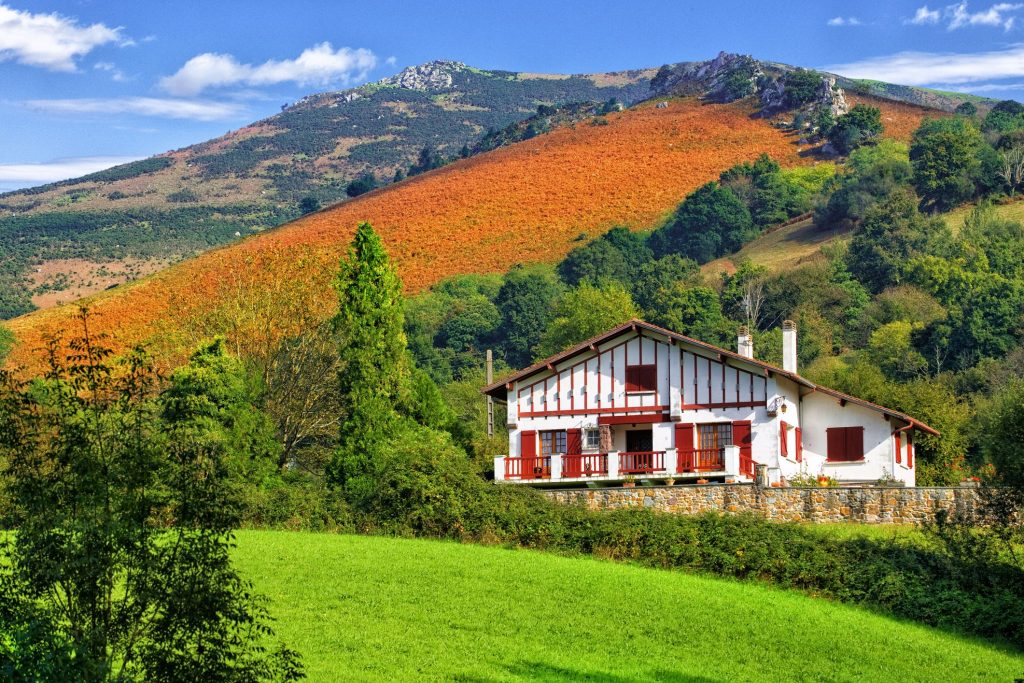
This model helps understand the tension between the region’s rural, traditional roots and its hyper-modern urban centers. The baserri (isolated farmhouse) represents the survival of the language and tradition, while Bilbao represents the “Strategic Pivot” toward the future. A balanced exploration must touch both poles to be valid.
2. The “Hydrological-Atlantic” Filter
Understanding the geography through its watersheds—the Atlantic and the Mediterranean—explains the diversity of the landscape. The Atlantic side is defined by humidity, steep valleys, and sea-faring heritage; the Mediterranean side (Rioja Alavesa) is defined by sun, viticulture, and open plains.
3. The “Communal-Gastronomic” Framework
In Basque society, food is not a commodity but a “Social Glue.” The Txoko (private gastronomic society) is the ultimate mental model for Basque social structure: egalitarian, ritualistic, and centered around the shared labor of the kitchen.
Key Categories of Basque Regional Variations
| Territory | Primary Identity | Strategic Value for Exploration | Trade-off |
| Gipuzkoa | Maritime & Culinary | San Sebastián’s “Belle Époque” and world-leading pintxo culture. | High seasonal saturation; higher costs. |
| Bizkaia | Industrial & Avant-garde | Bilbao’s Guggenheim and the dramatic coastline of Gaztelugatxe. | Strong urban density; “Bilbao Effect” can overshadow rural parts. |
| Araba | Viticulture & Medieval | Vitoria-Gasteiz’s “Green Belt” and the high-end wines of Rioja Alavesa. | Less “Atlantic” feel; requires more travel between points. |
| Navarre | Kingdom & Pyrenean | The heritage of Pamplona and the Irati Forest. | Administratively separate; different fiscal rules. |
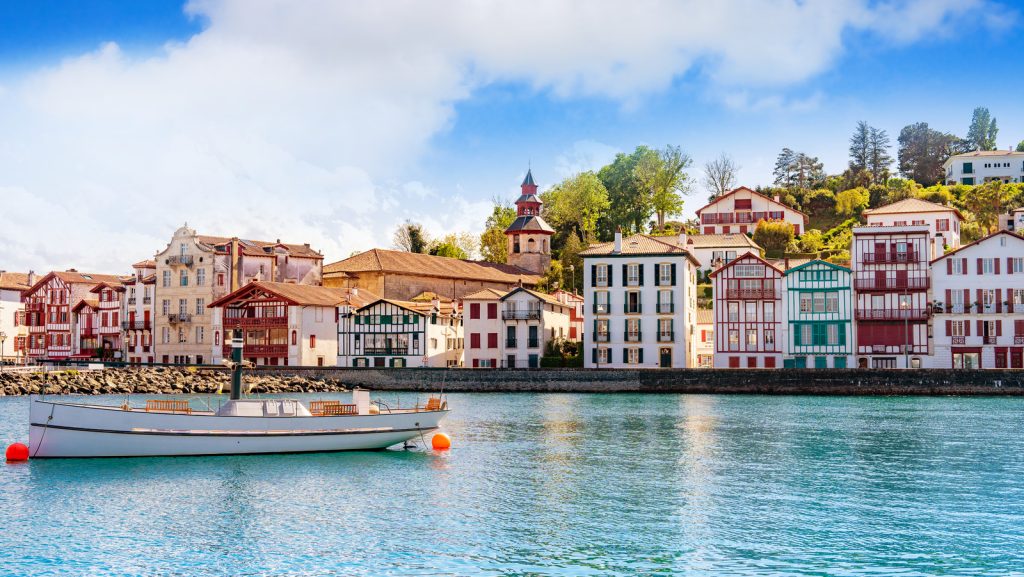
| French Basque | Continental & Relaxed | Biarritz’s surf culture and the architecture of Saint-Jean-Pied-de-Port. | Higher language barrier for Spanish speakers. |
Decision Logic for Exploration
The choice of where to focus depends on the “Duration of Stay” and “Mobility.” If one has only 72 hours, the “Gipuzkoa-Bizkaia Axis” is the most efficient. For a deep-time immersion (10+ days), the “Circuit of the Seven Provinces” allows for an analytical comparison of how the Basque identity has diverged under different administrative systems.
Detailed Real-World Scenarios
The “San Sebastián Saturday” Failure
A traveler attempts to visit San Sebastián’s “Old Town” (Parte Vieja) on a Saturday night in August without a reservation.
-
The Constraint: Extreme human density and “Pintxo Saturation.”
-
The Failure: They end up in “Tourist Trap” bars that do not follow the traditional Txikiteo (bar-hopping) etiquette, leading to a shallow experience.
-
The Fix: Adopting the “Off-Peak Midday” strategy—exploring the Gros district or the Antiguo neighborhood where locals congregate.
The “Rioja Alavesa” Hydrological Shift
A visitor expects the rainy, green landscape of the coast while visiting the wineries in Laguardia.
-
The Constraint: The Cantabrian mountain range acts as a rain shadow.
-
The Outcome: They find a Mediterranean microclimate.
-
The Win: Planning for a “Thermal Transition” and focusing on the 13th-century underground cellars that were built for temperature stability.
The “Linguistic Deep-Dive” in the Goierri
A traveler visits the rural “Basque Highlands” expecting everyone to speak Spanish fluently as a first language.
-
The Reality: In towns like Ordizia or Beasain, Euskara is the primary language of the home and market.
-
The Success: Learning basic Basque greetings facilitates a significantly deeper social “unlock” than relying on Spanish alone.
Planning, Cost, and Resource Dynamics
The Basque Country is one of Spain’s wealthiest and most expensive regions. Financial planning must account for the “Quality Premium” found in its hospitality and infrastructure.
| Tier | Est. Daily Cost | Value Drivers |
| Boutique/Cultural | $250 – $450 | 4-star “Relais” hotels, fine dining, and private guides for history. |
| Urban/Industrial | $180 – $300 | High-speed rail travel, museum-centric stays, “Menu del Día” value. |
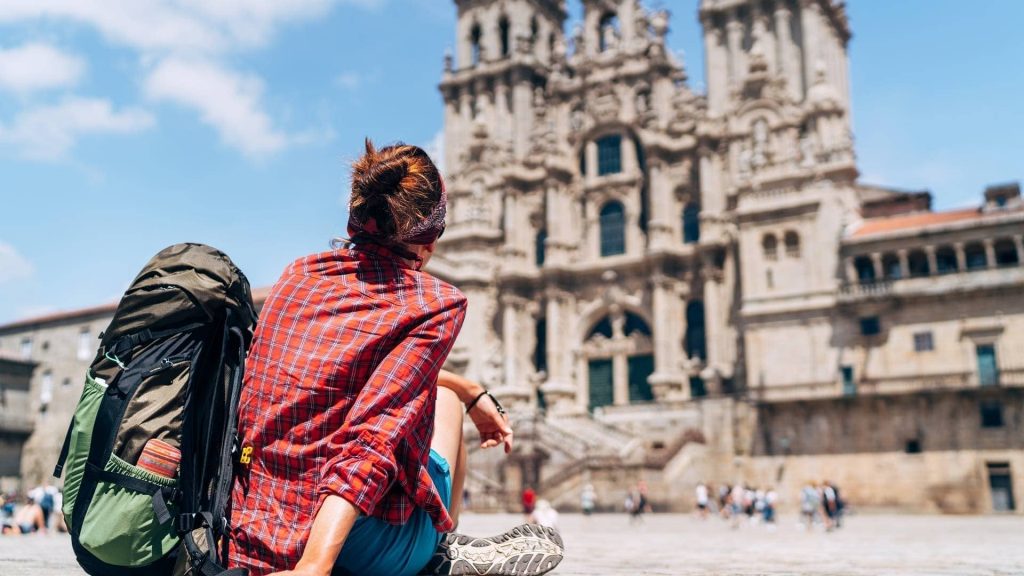
| Rural/Agrotourism | $120 – $220 | Nekatur (farm stays), hiking the St. James Way, and local market sourcing. |
Opportunity Cost of Aviation: Flying between Basque cities is a “Strategic Error.” The high-speed rail and Euskotren network offer a far superior “Landscape-to-Time” ratio, allowing for a visual understanding of the limestone geography that aviation bypasses.
Tools, Strategies, and Support Systems
www.thoughtco.com
To operationalize a successful journey when exploring Spain’s Basque Country, utilize these assets:
-
The “Euskadi-Navarra” Rail Pass: A 2026-integrated pass for the “Basque Y” and regional trains.
-
The “Nekatur” Network: A centralized booking system for sustainable farmhouse stays (caseríos).
-
Weather-Resistant Layering: The characteristic “Sirimiri” (fine drizzle) makes high-end rain gear the regional uniform.
-
The “Sagardotegi” (Cider House) Season Calendar: Traditionally January to May, though 2026 sees more “Year-Round” sustainable operations.
Risk Landscape and Failure Modes
-
The “Oversight of Autonomy”: Forgetting that the Basque Country has its own police force (Ertzaintza) and health system, Spanish national cards are accepted, but procedures differ.
-
The “Closed-Door” Monday: Many of the world’s best restaurants in the region are closed on Mondays and Tuesdays. Failing to check the “Gastronomic Cycle” can result in missed opportunities.
-
Topographical Underestimation: The Basque mountains are not high, but they are extremely steep and prone to sudden Atlantic “Sea Fogs” (Galernas).
Governance and Long-Term Adaptation
A journey through Euskadi should be managed with an “Adaptive Itinerary.” This involves:
-
The “Sustainability Audit”: In 2026, many coastal towns have vehicle restrictions. Check for “ZBE” (Low Emission Zones) before driving.
-
Linguistic Monitoring: Observe the “Breath of the Language.” In some areas, Basque is flourishing; in others, it is fragile. Respect the linguistic environment by not assuming everyone wants to speak Spanish.
Measurement, Tracking, and Evaluation
Evaluating the quality of a Basque expedition requires looking past the surface.
-
Leading Indicator: The guide’s ability to explain the Fueros (ancient laws) in relation to modern fiscal policy.
-
Qualitative Signal: The presence of a Txalaparta (traditional percussion) in a public square signifies a community actively engaging with its roots.
-
Documentation Example: Keeping a “Pintxo Log” that tracks the specific seasonality of ingredients across different microclimates.
Common Misconceptions and Oversimplifications
-
“It’s just about the Guggenheim.” (Correction: The museum is the introduction; the real Bilbao is the “Old Quarter” and the surrounding industrial mountains.)
-
“The food is all expensive Michelin stars.” (Correction: The “Middle Market” of cider houses offers the highest “Purity-to-Price” ratio.)
-
“Basque is a dialect of Spanish.” (Correction: It is a totally unrelated “Language Isolate.”)
-
“It rains every day.” (Correction: It is humid, but the “Basque Sun” in September is one of the most consistent in Europe.)
-
“Navarre is not Basque.” (Correction: Culturally and linguistically, Navarre is the “Cradle” of the Basque people.)
Ethical and Practical Considerations
In 2026, “Overtourism” in San Sebastiánledd to a “Citizen Backlash.” The ethical traveler should focus on “Diversification of Flow,” visiting the inland valleys of Goierri or the industrial heritage of Enkarterri. This supports the “Territorial Balance” goal of the local government and provides a more authentic interaction with a population that is weary of “Snapshot Tourism.”
Conclusion:
Exploring Spain’s Basque Country is ultimately an exercise in “Intellectual Humility.” It is a region that defies easy categorization,n a place that is simultaneously ancient and futuristic, rural and industrial. The traveler who succeeds here is the one who stops looking for the “Spanish Experience” and starts listening for the unique cadence of Euskara. In 2026, the Basque Country stands as a central pillar of European cultural resilience, offering a blueprint for how a distinct identity can thrive in a globalized world.