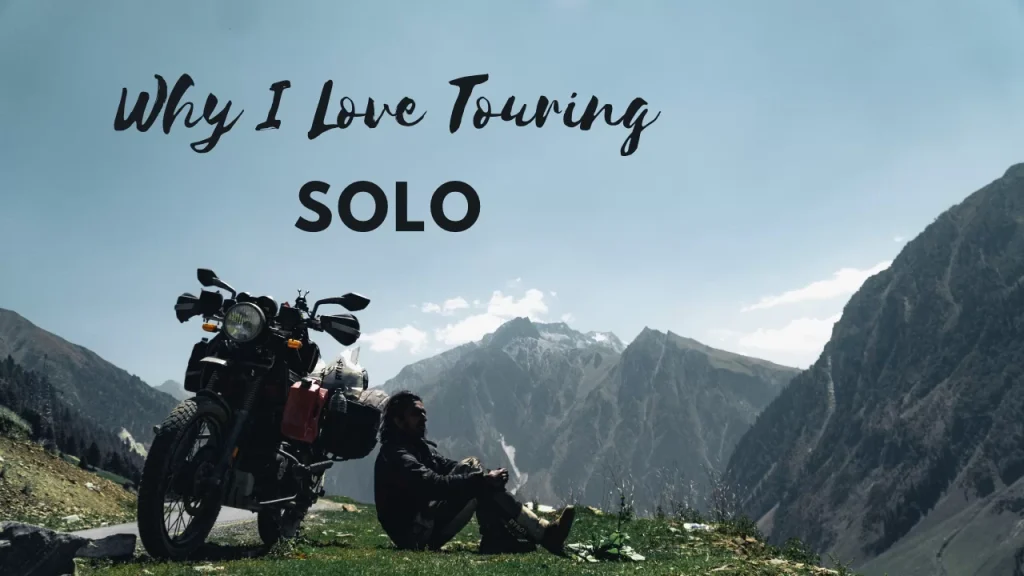
dirganews.com – Solo motorcycle touring is more than just traveling alone on two wheels; it is a transformative experience that combines independence, adventure, and personal growth. Unlike group riding, where decisions must be shared and compromises are inevitable, solo touring puts you in full control of every aspect of your journey.
You decide where to go, when to stop, how fast to ride, and what experiences to pursue. This level of freedom is what makes solo motorcycle touring so appealing to riders around the world.
However, this freedom also comes with responsibility. Riding alone means you must rely entirely on your own skills, preparation, and decision-making. That is why understanding the fundamentals of solo touring is essential before embarking on your journey.
What Is Solo Motorcycle Touring?
travelfoodnlife.com
Solo motorcycle touring refers to long-distance travel on a motorcycle conducted by a single rider, often spanning multiple days, weeks, or even months.
Key Characteristics:
- Independent travel without a riding group
- Long-distance routes across cities, regions, or countries
- Self-managed logistics (fuel, accommodation, navigation)
- High level of personal responsibility
Types of Solo Touring:
- Short-distance touring (1–3 days)
Ideal for beginners who want to gain experience. - Mid-range touring (1–2 weeks)
Involves more planning and endurance. - Long-distance or cross-country touring
Requires advanced preparation and experience.
Each type offers unique challenges and rewards, depending on your level of expertise.
Why Solo Motorcycle Touring Is So Popular
1. Absolute Freedom
When touring solo, there are no compromises. You can:
- Change your route spontaneously
- Stop at hidden destinations
- Ride based on your mood
This flexibility creates a truly personalized adventure.
2. Self-Discovery and Personal Growth
Solo motorcycle touring pushes you out of your comfort zone. You learn:
- Problem-solving skills
- Decision-making under pressure
- Emotional resilience
Many riders report increased confidence after completing a solo trip.
3. Strong Connection With the Journey
Unlike other forms of travel, motorcycle touring engages all your senses:
- You feel the wind and temperature changes
- You hear the engine and the road
- You see landscapes without barriers
This creates a deeper and more immersive experience.
4. Mental Clarity and Stress Reduction
Riding long distances requires focus, which helps clear your mind. Many riders describe solo touring as a form of meditation.
How to Plan a Solo Motorcycle Touring Trip
Planning a solo motorcycle touring trip is one of the most important steps to ensure your journey is safe, enjoyable, and stress-free. Unlike group rides, where responsibilities are shared, solo touring requires you to carefully prepare every detail from route selection to emergency planning.
Below is a clear and detailed step-by-step guide to help you plan your trip effectively.
1. Define Your Purpose and Goals
Before anything else, ask yourself:
- Why do you want to go on this trip?
- Are you looking for adventure, relaxation, or exploration?
- How long do you want to travel?
Your answers will determine:
- The type of route you choose
- Your daily riding distance
- Your budget and preparation level
Example:
- A relaxing trip → scenic coastal roads
- An adventure trip → mountain or off-road routes
2. Choose the Right Destination and Route
Selecting the right route is crucial, especially for beginners.
For Beginners:
- Choose well-maintained roads
- Avoid extreme weather areas
- Stay close to towns or cities
For Experienced Riders:
- Explore remote areas
- Try mountain passes or long highways
- Combine different terrains
Route Planning Tips:
- Use GPS apps with offline maps
- Identify fuel stations along the route
- Plan rest stops every 2–3 hours
- Check road conditions in advance
Always prepare a backup route in case of unexpected changes.
3. Set a Realistic Daily Riding Distance
One of the most common mistakes is overestimating how far you can ride.
Recommended Distance:
- Beginners: 200–300 km/day
- Intermediate: 300–500 km/day
- Advanced: 500+ km/day
Factors That Affect Distance:
- Weather conditions
- Traffic
- Road quality
- Rider fatigue
Tip: It’s better to ride less and enjoy the journey than rush and risk accidents.
4. Prepare Your Motorcycle
Your motorcycle must be in excellent condition before the trip.
Basic Checklist:
- Engine oil and filters
- Tire condition and pressure
- Brake system
- Lights and battery
- Chain or belt condition
If possible, do a full service before departure.
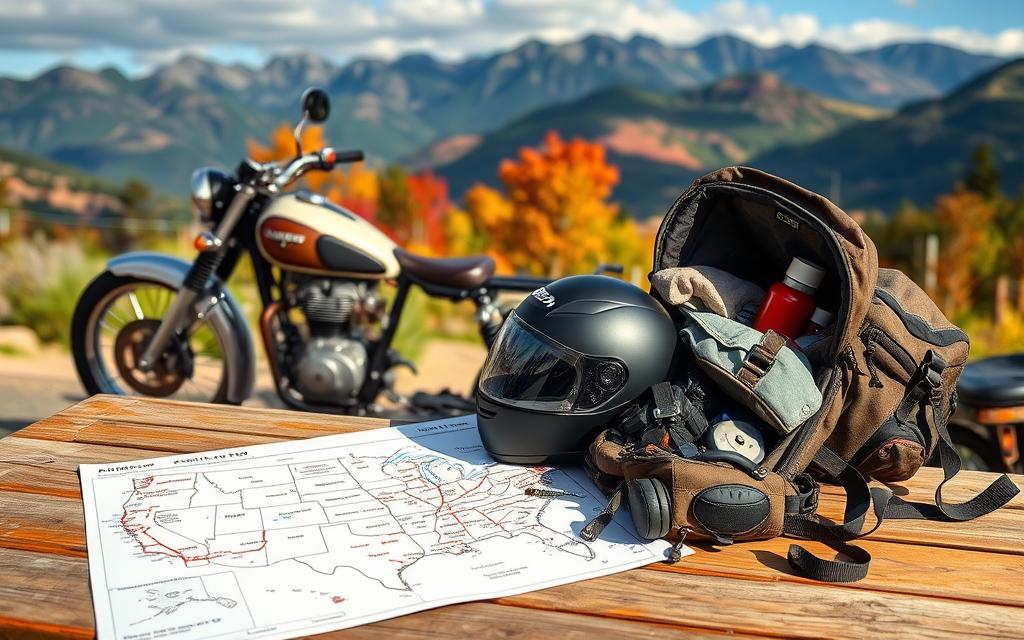
5. Pack Smart and Efficiently
Packing is critical in solo motorcycle touring because space is limited.
Essential Categories:
Riding Gear
- Helmet
- Jacket with armor
- Gloves
- Boots
Clothing
- Weather-appropriate clothes
- Waterproof layer
- Extra socks and undergarments
Tools & Emergency Kit
- Basic repair tools
- Tire repair kit
- First aid kit
Personal Items
- Documents (ID, license)
- Cash and cards
- Phone and charger
Packing Tips:
- Keep weight balanced on both sides
- Use waterproof bags
- Pack only what you truly need
6. Plan Your Budget
Budgeting helps you avoid running out of money during your trip.
Main Expenses:
- Fuel
- Accommodation
- Food
- Maintenance
- Emergency funds
Money-Saving Tips:
- Stay in budget hotels or a camp
- Eat local food
- Plan fuel-efficient routes
Always keep extra emergency cash.
7. Book Accommodation (Optional but Recommended)
Depending on your travel style, you can:
- Book hotels in advance (safe and predictable)
- Find accommodation on the go (flexible but risky in peak seasons)
Tip: For beginners, booking the first few nights is a good idea.
Essential Gear for Solo Motorcycle Touring (Detailed Guide)
1. Riding Protection Gear
Safety gear is non-negotiable.
Must-have items:
- Full-face helmet (maximum protection)
- Armored jacket (impact resistance)
- Gloves (grip and protection)
- Riding pants (abrasion resistance)
- Boots (ankle support)
2. Touring Equipment
To support long-distance travel:
- Saddlebags or panniers (storage)
- Tank bag (easy access items)
- Phone mount (navigation)
- Power bank or charging system
3. Emergency and Repair Kit
Being alone means you must be self-reliant.
Essential items:
- Tire repair kit
- Portable air pump
- Multi-tool kit
- First aid kit
- Flashlight
4. Clothing and Personal Items
Pack for different weather conditions:
- Waterproof jacket
- Thermal layers
- Lightweight clothing
- Personal hygiene items
Safety Strategies for Solo Motorcycle Touring
1. Always Share Your Itinerary
Inform someone you trust about:
- Your route
- Daily stops
- Expected arrival times
This ensures help can reach you if needed.
2. Manage Fatigue Effectively
Fatigue reduces reaction time and increases risk.
Tips:
- Take breaks every 2 hours
- Stay hydrated
- Get enough sleep
3. Ride Defensively
Assume other drivers may not see you. Maintain safe distances and avoid aggressive riding.
4. Weather Awareness
Check weather forecasts regularly. Avoid riding in extreme conditions such as:
- Heavy rain
- Strong winds
- Fog
5. Secure Your Motorcycle and Belongings
Use locks and park in safe areas, especially overnight.
Choosing the Best Motorcycle for Solo Touring
1. Touring Bikes
Best for long-distance comfort and stability.
2. Adventure Bikes
Perfect for mixed terrain and off-road exploration.
3. Cruisers
Comfortable for highway cruising with relaxed posture.
4. Sport Touring Bikes
Balanced performance and comfort.
Packing Smart for Solo Touring
Key Principles:
1. Minimalism
Carry only essentials to avoid overloading.
2. Organization
Use compartments for easy access.
3. Weight Distribution
Balance both sides of the motorcycle.
4. Waterproofing
Protect items from rain.
Budget Planning for Solo Motorcycle Touring
i0.wp.com
Main Expenses:
- Fuel
- Accommodation
- Food
- Maintenance
- Emergency funds
Cost-Saving Tips:
- Camp instead of hotels
- Eat local food
- Maintain your motorcycle before departure
Overcoming Common Challenges
1. Loneliness
Use it as an opportunity for reflection and self-growth.
2. Mechanical Issues
Learn basic motorcycle maintenance before your trip.
3. Navigation Problems
Always have backup navigation tools.
Mental Preparation for Solo Touring
Adaptability
Expect unexpected situations and stay flexible.
Confidence
Trust your preparation and instincts.
Focus
Stay alert at all times while riding.
Top Experiences in Solo Motorcycle Touring
- Riding through scenic coastal roads
- Exploring mountain landscapes
- Discovering local cultures
- Experiencing sunrise and sunset rides
Environmental Responsibility
Be a responsible rider:
- Avoid littering
- Respect local communities
- Follow traffic laws
FAQ
1. Is solo motorcycle touring safe?
Yes, with proper planning, safety gear, and awareness, it can be very safe.
2. What is the best motorcycle for beginners?
Lightweight touring or adventure bikes are ideal for beginners.
3. How do I prepare for my first solo tour?
Start with short trips, learn basic maintenance, and plan your route carefully.