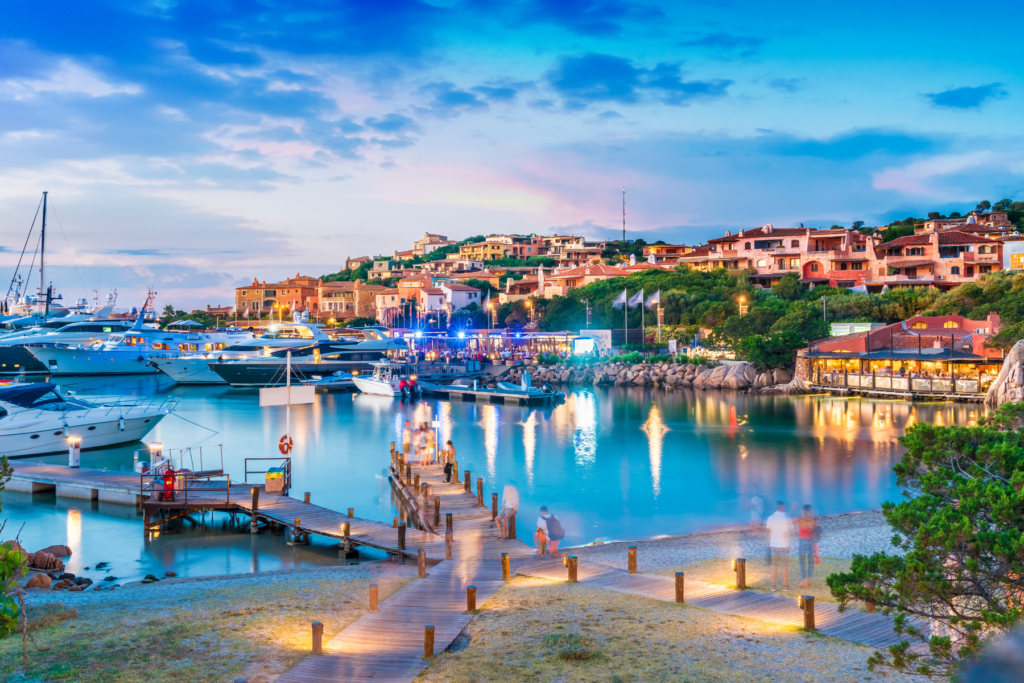
dirganews.com – The Mediterranean Basin contains many intricate island cultures. Yet, few landmasses possess the geological diversity and historical density of Sardinia. Situated at the crossroads of ancient maritime trade routes, this second-largest Mediterranean island features more than just a coastline. It offers a rugged, limestone-dominated interior that resists mass-tourism homogenization. The landscape is a study in contrasts. Coastal plains transition rapidly into the limestone massifs of the Supramonte. Here, human influence remains secondary to the dictates of karst topography and endemic flora.
Engaging with the island demands physical and logistical commitment. Unlike mainland European regions, interior connectivity is not seamless. The interior of Sardinia requires a shift in tempo. The absence of high-speed infrastructure is not a deficit. Instead, it is a functional component of the island’s character. It forces a deliberate pace of exploration. There is an inherent tension between celebrated coastal luxury and the austere, traditional interior. This environment rewards careful planning over impulsive movement.
This analytical framework dismantles superficial narratives surrounding Mediterranean travel. We move past the aesthetics of the beach. We evaluate the island as an integrated system of ecosystems, historical layers, and modern administrative challenges. By examining logistical, cultural, and environmental threads, we establish a baseline for high-fidelity understanding. This is not a guide for the casual visitor.
Understanding “Sardinia Island Adventure”
www.backroads.com
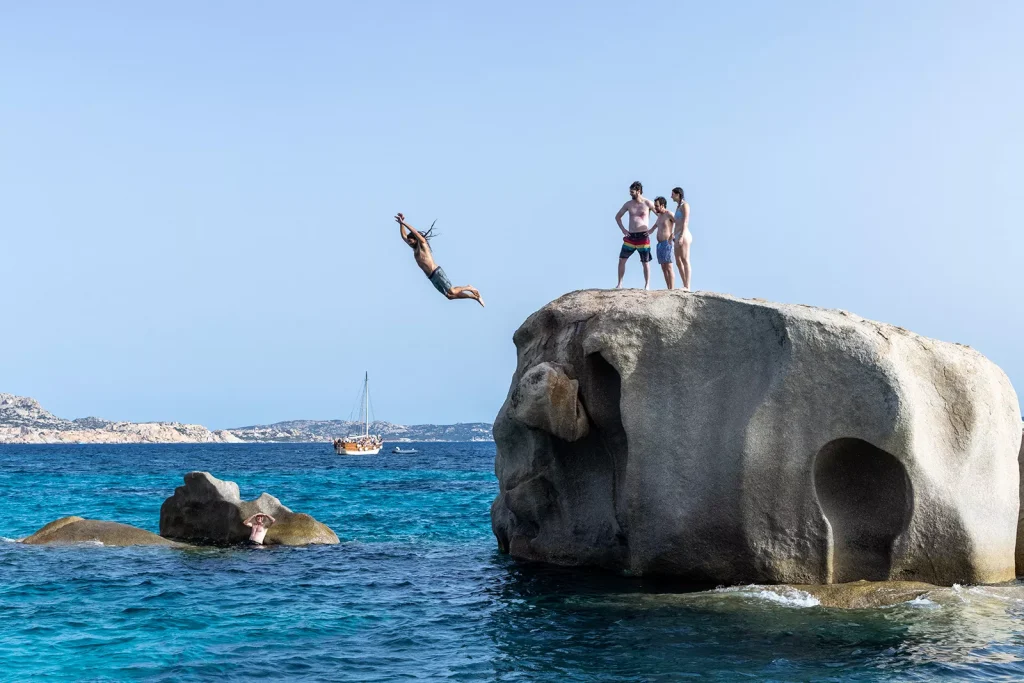
An Sardinia island adventure is often conflated with a generic beach vacation. This oversimplification ignores the island’s rugged interior. While the coastline is spectacular, authentic terrain depth lies in the Barbagia and Ogliastra regions. The landscape there is dictated by elevation, seasonal water scarcity, and ancient transhumance paths. When observers categorize the island as a singular entity, they miss its internal partitions. Cultural, linguistic, and environmental factors define daily life for its inhabitants.
Reducing a trip to a standard itinerary carries the risk of losing environmental agency. Much of the interior is protected or ecologically sensitive. The label of adventure often masks the necessity for local integration. Responsible engagement requires a shift in perspective. Instead of viewing the territory as a resource, one must recognize it as an active system. Profound landscape engagement requires acknowledging a simple truth. The most rewarding paths require significant logistical forethought and respect for local access protocols.
Deep Contextual Background
Sardinia’s history is a record of layering. The mysterious Nuragic civilization left over 7,000 stone towers, or nuraghi, across the landscape. Later Phoenician, Roman, and Spanish influences further shaped the island. It possesses historical depth that is physically manifest today. The system of land management historically prioritized the pastoral over the agrarian. This resulted from the island’s mountainous core. It also stemmed from the historical necessity of defending the interior from coastal raids.
This legacy dictates current environmental management. Resistance to coastal over-development is not merely a modern aesthetic choice. It is an evolution of historical territorial protection. As global demand for Mediterranean transit increases, the island faces challenges. It must balance the economic benefits of tourism with the preservation of traditional agricultural zones. The modern visitor acts within this transition. Each visitor must decide if they recognize their presence as part of this system.
Conceptual Frameworks and Mental Models
-
The Topographical Filter: This model evaluates engagement difficulty based on altitude and terrain complexity. Coastal zones represent low-friction movement. The central massif acts as high-friction territory.
-
The Seasonal Equilibrium: This is a model of temporal planning. The island’s resources—water, shade, and accessibility—vary significantly. They fluctuate between the hyper-dry, high-demand summer and the temperate, quiet shoulder seasons.
-
The Connectivity Gap: This is a mental model for navigating the distance between maritime entry points and interior wilderness. It accounts for the time-dilation effect of driving through winding, non-arterial roads.
-
The Cultural Insulation Index: This method categorizes regions based on the prevalence of the Sardo language and traditional customs. High insulation zones require a higher degree of cross-cultural awareness.
Key Categories and Operational Variations
Exploration varies by the intensity of interaction with the terrain.
| Category | Primary Focus | Physical Demand | Logistical Complexity |
| Coastal Transit | Marine/Cove Access | Low | Moderate |
| Karst Trekking | High-Elevation Navigation | Very High | High |
| Archaeological Survey | Historical site visitation | Moderate | Low |
| Pastoral/Agroturismo | Cultural immersion | Low | Low |
Operational decision logic necessitates that travelers evaluate their desired physical exertion level against the environmental realities of their chosen season. For instance, the high-elevation karst paths are functionally inaccessible during peak summer heat, rendering them a sub-optimal choice for that time frame.
Real-World Scenarios and Decision Logic
Consider the “Summer Heat Threshold” scenario. A traveler selects an interior hiking route in July. The decision logic must prioritize hydration and extreme elevation profiles. If the ambient temperature exceeds 35°C, the second-order effect of continuing is the high probability of heat-related failure or injury. The correct decision, dictated by safety protocols, is to retreat to the coastal regions or higher altitudes with consistent water access.
In another scenario, “Access to Nuragic Sites,” a visitor finds themselves on private property while attempting a shortcut to an unmarked tower. The failure mode here is a breakdown in community relations. In Sardinia, private pastoral land is often guarded by informal codes. The decision logic for the visitor is to rely on official, marked access paths, ensuring the protection of agricultural productivity and respect for private ownership.
Planning, Cost, and Resource Dynamics
The economic management of any Sardinia island adventure requires understanding the disparity between the coastal luxury markets and the interior village economies.
-
Logistical Costs: Vehicle rental is an absolute necessity given the decentralization of transit, but the type of vehicle (high-clearance versus standard) dictates the range of possible exploration.
-
Opportunity Costs: Time spent on coastal transit directly limits the potential for interior exploration. The island’s size is deceptive; the winding topography makes rapid movement between the coast and the center mathematically improbable.
-
Resource Variability: Water and fuel accessibility in remote inland regions require careful mapping. Relying on digital connectivity in the deepest mountain valleys is a recurring point of failure.
| Planning Component | Cost Range (USD/Day) | Variability Driver |
| Vehicle Rental | $60–$150 | Season/Transmission type |
| Rural Lodging | $80–$250 | Proximity to transit hubs |
| Provisions/Fuel | $40–$70 | Remoteness of the region |
Tools, Strategies, and Support Systems
-
Topographic Mapping: Digital tools are necessary but insufficient; the reliance on paper-based, high-detail maps for the Supramonte region is standard practice for serious navigation.
-
Local Mentorship: Engaging with locally-based guides in the Barbagia region offers access to the cultural and historical nuance that is unavailable in standard guidebooks.
-
Vehicle Suitability: Selecting a vehicle with proper suspension and wheel clearance is not for vanity, but a baseline requirement for accessing the interior village-to-village roads.
-
Linguistic Preparation: While Italian is universal, familiarity with the Sardinian Sardo language fragments demonstrates respect and can change the quality of community interactions.
Risk Landscape and Failure Modes
The primary taxonomy of risk includes environmental exposure, physical terrain challenges, and administrative errors. Compounding risks occur when travelers underestimate the isolation of the central massif. A breakdown in transit in a remote area, coupled with low cellular coverage, can quickly escalate from an inconvenience to a hazardous situation. The “optimism bias,” the belief that the island is always easily managed, is the most prevalent failure mode in the planning stage of any Sardinia island adventure.
Governance, Maintenance, and Long-Term Adaptation
The island operates under a regional autonomy that informs its land-use policy. Environmental protection acts as a buffer against indiscriminate development. The long-term adaptation of the region depends on how tourism revenue is reinvested into the maintenance of historic pathways and the protection of biodiversity.
-
Monitoring Cycles: Annual assessments of trail stability in high-traffic corridors like the Gulf of Orosei are essential.
-
Trigger Points: Excessive visitation thresholds must be met with automated, permit-based access systems to prevent permanent ecosystem degradation.
Measurement, Tracking, and Evaluation
-
Leading Indicators: Changes in trail erosion, frequency of search-and-rescue incidents in the karst regions, and biodiversity indices in endemic forest patches.
-
Lagging Indicators: The socio-economic health of interior villages compared to coastal tourist hubs, and the long-term structural integrity of heritage archaeological sites.
-
Documentation: Regional maintenance logs for public trails serve as the primary database for evaluating the success of current land management strategies.
Common Misconceptions and Oversimplifications
-
Myth: “Sardinia is just a beach destination.”
Correction: The interior massifs contain the most significant cultural and geological depth of the region. -
Myth: “You can see the whole island in a week.”
Correction: Due to topography and the necessity of slow, intentional travel, a week only allows for the superficial exploration of a single sub-region. -
Myth: “All of Sardinia is perfectly connected.”
Correction: Interior transit is significantly slower and less reliable than the coastal highway networks. -
Myth: “Tourism infrastructure is ubiquitous.”
Correction: Once outside the coastal hubs, self-sufficiency in terms of water and basic supplies is required.
Ethical, Practical, and Contextual Considerations
The ethical observer recognizes that every Sardinian adventure leaves a footprint. The pastoral landscape is sensitive to transit, and the preservation of historic sites depends on adherence to established visitor protocols. Respecting the local tempo of life, where businesses may close during peak heat or for traditional community events, is a necessary adjustment for any visitor seeking to engage authentically with the territory.
Conclusion
Pursuing a profound experience in Sardinia requires rejecting ease in favor of intentionality. By respecting the logistical constraints of the karst landscape, the fragility of cultural heritage, and the necessity of slow movement, one can move beyond the surface. Meaningful engagement is not defined by the sites visited, but by understanding the systemic connections between the geography and its people.
To undertake a Sardinia island adventure is to acknowledge that the most significant rewards exist where infrastructure ends and the rugged history of the Mediterranean begins. Every Sardinia island adventure is an invitation to participate in a landscape that resists the ephemeral. As we look toward the future of sustainable exploration, this resilient quality serves as the definitive reference for understanding an Sardinia island adventure at scale.