dirganews.com – While international travelers often focus on famous places such as Bali, Lombok, and Labuan Bajo, there are still many breathtaking destinations that remain relatively undiscovered. Among these hidden gems, Rote Island stands out as one of the most promising emerging tourist destinations. Located in the southernmost part of Indonesia, this tropical paradise offers a unique combination of natural beauty, cultural heritage, and authentic local experiences.
In recent years, Rote Island has gained increasing attention from travelers who are searching for untouched beaches, peaceful surroundings, and genuine cultural encounters. Unlike many popular destinations that have undergone rapid commercialization, Rote Island has managed to preserve much of its original charm. As a result, visitors can still enjoy a sense of tranquility and authenticity that is becoming increasingly rare in modern tourism.
For travelers seeking crystal-clear waters, spectacular sunsets, traditional culture, and exciting outdoor adventures, Rote Island provides an unforgettable experience. Whether you are a surfer chasing world-class waves, a photographer searching for stunning landscapes, a backpacker looking for hidden gems, or a family seeking a relaxing vacation, this island has something unique to offer. Therefore, it is no surprise that more people are adding Rote Island to their travel bucket lists every year.
This comprehensive guide explores everything you need to know about the latest tourism developments in Rote Island and explains why this remarkable destination deserves far more attention from international travelers.
Where Is Rote Island?
Rote Island is located in East Nusa Tenggara Province, Indonesia, and forms part of the Rote Ndao Regency. Geographically, the island lies southwest of Timor Island and faces the vast waters of the Indian Ocean. Because of its strategic location, the island enjoys stunning ocean views and a distinctive coastal environment.
What makes Rote particularly special is its position as the southernmost inhabited island in Indonesia. As a result, the island has developed a unique identity shaped by both its geographic isolation and its connection to the sea. Visitors can experience rugged coastlines, powerful ocean swells, and a warm tropical climate that remains pleasant throughout the year.
Although Rote Island is relatively remote compared to Bali or Jakarta, modern transportation has made access much easier than in previous decades. Today, travelers can reach the island through a combination of domestic flights and ferry services. Consequently, tourism has gradually increased while still maintaining the island’s peaceful atmosphere.
The island covers a substantial area and consists of diverse landscapes that include white-sand beaches, rolling hills, mangrove forests, traditional villages, and hidden lagoons. Furthermore, tourism development remains relatively moderate compared to other Indonesian destinations. Because of this, many parts of the island still feel untouched and authentic.
The Fascinating History of Rote Island
roteguide.com
Understanding the history of Rote Island helps visitors appreciate its cultural richness and unique identity. For centuries, the people of Rote have lived in close connection with both the sea and the land. Fishing, farming, livestock raising, and traditional craftsmanship have long formed the foundation of local life.
Moreover, the island’s location along historical maritime routes allowed interactions with traders from neighboring regions. As a result, cultural influences from various communities helped shape the island’s traditions while preserving its local identity.
Despite outside influences, local communities have successfully maintained many traditional customs and practices. In fact, ancient cultural values remain visible in ceremonies, music, architecture, and everyday life. Visitors who spend time in local villages often discover a way of life that feels remarkably connected to tradition and community spirit.
The island’s history is also reflected in its traditional houses, woven textiles, and unique musical instruments. Furthermore, these cultural treasures continue to play an important role in shaping the identity of Rote Island today.
Why Rote Island Is Becoming a Trending Travel Destination
Travel trends have changed significantly in recent years. Modern travelers increasingly prefer destinations that offer authenticity, sustainability, and meaningful experiences rather than crowded attractions. Fortunately, Rote Island perfectly fits these preferences.
Unspoiled Natural Beauty
One of the biggest reasons behind Rote Island’s growing popularity is its extraordinary natural beauty. Unlike heavily developed tourist destinations, much of the island remains untouched by large-scale construction and commercial tourism.
Visitors can enjoy endless stretches of white-sand beaches, turquoise waters, and dramatic coastal cliffs without encountering large crowds. As a result, the island provides an ideal environment for relaxation and exploration.
The absence of high-rise buildings and overdeveloped tourist infrastructure contributes significantly to the island’s charm. Additionally, every landscape feels natural, authentic, and visually stunning, making it a paradise for photographers and nature lovers.
A Perfect Alternative to Bali
Many travelers who once visited Bali are now seeking quieter destinations that provide a more intimate connection with nature and local culture.
Rote Island offers many of the qualities that originally made Bali famous decades ago. Visitors can experience beautiful beaches, friendly local communities, excellent surf conditions, and rich traditions. However, they can do so without facing the congestion and overcrowding often associated with more popular destinations.
Therefore, travelers seeking tranquility rather than nightlife often find Rote Island to be a highly attractive alternative.
Growing Interest in Sustainable Tourism
Sustainability has become one of the most important trends in global tourism. Travelers increasingly want their vacations to benefit local communities while minimizing environmental impact.
Rote Island’s tourism development remains relatively small-scale. Consequently, sustainable practices play a larger role in its growth. Many accommodations support local employment, cultural preservation, and environmental conservation.
In addition, tourism businesses frequently collaborate with local communities to ensure that economic benefits are distributed fairly. This responsible approach attracts travelers who value ethical and eco-friendly tourism experiences.
Surfing: The Main Attraction for International Visitors
Surfing has played a major role in introducing Rote Island to international travelers.
The island’s exposure to Indian Ocean swells creates ideal conditions for high-quality surfing throughout much of the year.
T-Land
- T-Land is often regarded as one of the best left-hand reef breaks in the world.
- Its long and powerful waves attract experienced surfers seeking challenging and rewarding rides.
- Many surfing magazines and travel publications have featured T-Land among the world’s top surf destinations.
Boa Point
- Boa Point offers another exciting surfing experience with beautiful scenery and reliable wave conditions.
- The location attracts both intermediate and advanced surfers.
Sucky Mamas
- Despite its unusual name, Sucky Mamas is highly respected within the surfing community.
- The wave provides fast sections and exciting challenges that attract adventurous surfers.
Snorkeling and Diving Adventures
- Rote Island’s underwater world is equally impressive.
- The clear waters surrounding the island provide excellent visibility, allowing visitors to fully appreciate the beauty of marine ecosystems.
- Snorkelers can observe colorful coral reefs, tropical fish, sea stars, and countless other marine species.
- Divers often discover healthy reef systems and rich biodiversity beneath the surface. The relatively low number of tourists helps preserve these underwater environments and maintain their natural beauty.
For travelers who enjoy marine adventures, snorkeling and diving provide unforgettable opportunities to connect with the ocean.
Cultural Experiences That Make Rote Special
- Tourism on Rote Island is not only about natural beauty.
- The island’s cultural heritage adds depth and meaning to every visit.
- Local communities continue to preserve traditions that have been passed down through generations. Visitors can witness traditional ceremonies, learn about local customs, and observe daily life in authentic village settings.
- These cultural interactions create meaningful travel experiences that go beyond sightseeing.
The Famous Sasando Musical Instrument
One of the most fascinating cultural treasures associated with Rote Island is the Sasando, a traditional musical instrument that is widely recognized as one of Indonesia’s most unique artistic creations. For many visitors, discovering the Sasando is an unforgettable cultural experience because its appearance, sound, and history are unlike those of any other instrument in the world.
The Sasando originated from Rote Island and has been an important part of local culture for centuries. Traditionally, the instrument is made from bamboo and surrounded by a fan-shaped resonator crafted from dried lontar palm leaves. As a result, the instrument has become a powerful symbol of the creativity and cultural identity of the Rote people.
When played by skilled musicians, the Sasando produces soft, harmonious tones that are often compared to those of a harp, piano, or string orchestra. However, its sound remains unique and immediately recognizable. The gentle melodies create a calming atmosphere that reflects the peaceful lifestyle and natural beauty of Rote Island. Because of its soothing sound, the Sasando is frequently performed during traditional ceremonies, cultural festivals, weddings, and important community gatherings.
Traditional Weaving and Local Craftsmanship
imagekit.io
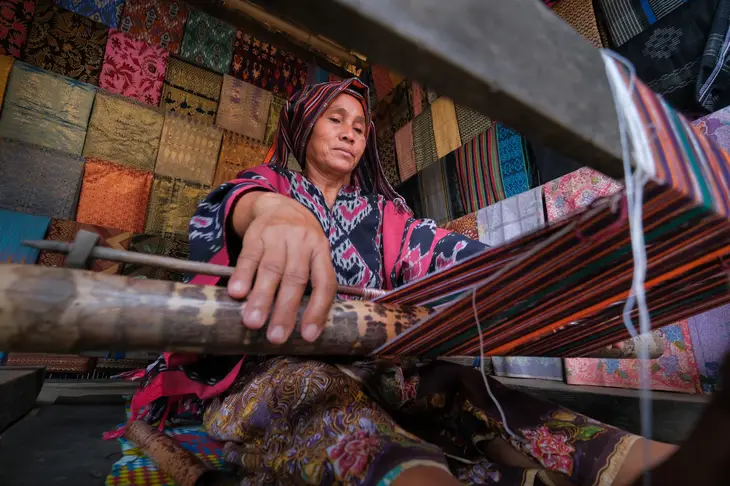
One of the most remarkable aspects of Rote Island’s cultural heritage is its long-standing tradition of weaving and local craftsmanship. These artistic practices have been preserved for generations and continue to play an important role in the daily lives of local communities. For many visitors, exploring the island’s traditional crafts provides a deeper understanding of the history, values, and creativity of the Rote people.
Traditional weaving, commonly known as tenun ikat, is one of the most respected forms of craftsmanship on the island. Skilled artisans, most of whom are women, spend weeks or even months creating beautifully detailed textiles using techniques that have been passed down through generations. Unlike mass-produced fabrics, each handwoven piece is carefully crafted with patience, precision, and artistic dedication. As a result, every textile is unique and carries its own cultural significance.
The weaving process itself is both complex and fascinating. It begins with preparing cotton threads, which are then dyed using natural or traditional coloring methods. Afterward, the threads are carefully arranged and woven by hand using traditional looms. Because the entire process requires exceptional skill and attention to detail, producing a single piece of fabric can take a considerable amount of time. Consequently, these textiles are highly valued not only for their beauty but also for the craftsmanship involved in their creation.
Local Cuisine You Should Try
No visit to Rote Island is complete without exploring its rich and flavorful local cuisine. Food plays an important role in the daily lives of the local people, and many traditional dishes reflect the island’s cultural heritage, agricultural traditions, and close relationship with the sea. In addition to enjoying the island’s beautiful landscapes, travelers can discover a variety of authentic flavors that provide a deeper understanding of local life and traditions.
One of the most appealing aspects of dining on Rote Island is the freshness of the ingredients. Because the island is surrounded by the ocean, seafood is an essential part of the local diet. As a result, visitors can enjoy meals that are both simple and incredibly flavorful.
Fresh Seafood
Fresh seafood is undoubtedly one of the highlights of Rote Island’s culinary scene. Every day, local fishermen bring in their catches from the surrounding waters, ensuring that restaurants and local food stalls serve some of the freshest seafood available. Visitors can enjoy a wide variety of dishes featuring grilled fish, squid, shrimp, crab, and lobster.
What makes seafood on Rote Island particularly special is its freshness and traditional preparation methods. Many dishes are cooked over charcoal grills and seasoned with local herbs, spices, and freshly made sambal. Consequently, the natural flavors of the seafood remain the main focus of each meal.
Se’i: A Traditional Smoked Meat Specialty
Another must-try dish is Se’i, one of the most famous culinary specialties of East Nusa Tenggara. Se’i is traditionally made from beef, although pork versions are also common in some areas. The meat is carefully seasoned and then smoked over a low fire for several hours, resulting in a distinctive smoky flavor and tender texture.
It is often served with spicy sambal, fresh vegetables, and rice. Furthermore, the combination of smoky meat and flavorful condiments creates a satisfying meal that many visitors remember long after their trip.
Jagung Bose: A Traditional Corn Dish
Jagung Bose is another iconic dish that reflects the agricultural heritage of East Nusa Tenggara. This traditional meal is made from corn that has been cooked until soft and mixed with beans, coconut milk, and various seasonings. The result is a hearty and nutritious dish that has been enjoyed by local communities for generations.
Historically, corn has been one of the most important staple crops in the region due to the local climate and farming conditions. Therefore, Jagung Bose is more than just a meal it is also a symbol of local history and resilience. Visitors interested in authentic cultural experiences often enjoy trying this traditional dish because it provides insight into the everyday lives of the island’s residents.
Accommodation Options for Every Budget
- Rote Island offers accommodations suitable for different travel styles and budgets.
- Budget travelers can stay in homestays where they experience local hospitality and cultural immersion.
- Mid-range travelers often choose guesthouses that provide comfortable facilities and convenient locations.
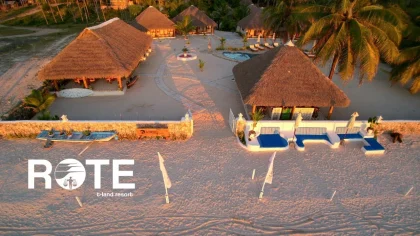
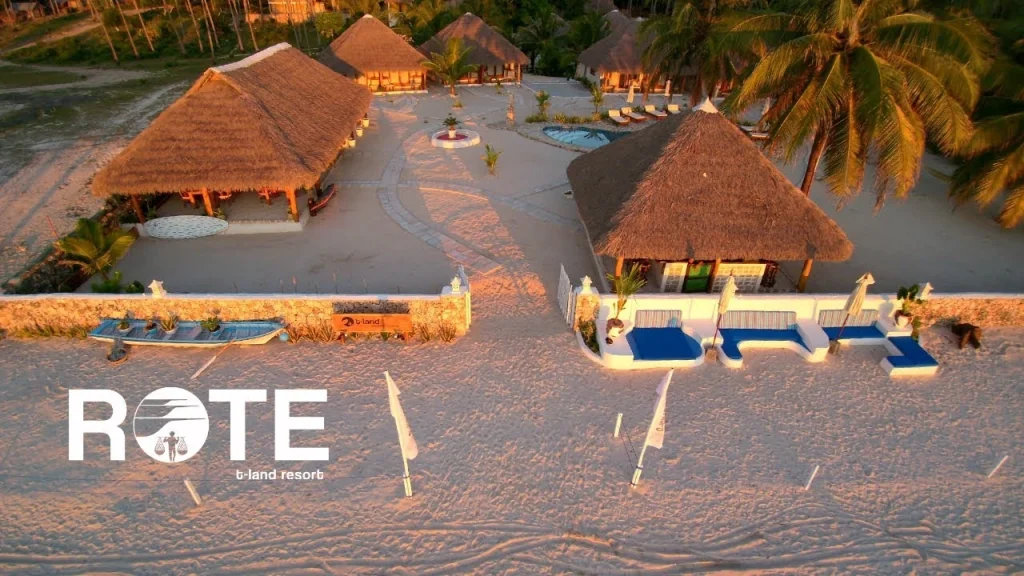
- Luxury travelers can enjoy beachfront resorts featuring ocean views, swimming pools, restaurants, and premium services.
- Regardless of budget, many accommodations emphasize personalized service and a relaxed atmosphere that reflects the island’s character.
Travel Costs and Budget Planning
- One of Rote Island’s advantages is its affordability compared to many international beach destinations.
- Budget travelers can enjoy a rewarding experience without spending large amounts of money.
- Accommodation, transportation, food, and activities generally remain reasonably priced.
- Travelers who plan carefully can enjoy several days on the island while staying within a moderate budget.
- This affordability makes Rote accessible to backpackers, families, and independent travelers alike.
Best Time to Visit Rote Island
The dry season between April and October is generally considered the best time to visit.
During this period, visitors can expect:
- Sunny weather
- Lower rainfall
- Excellent surfing conditions
- Clear ocean visibility
- Comfortable outdoor exploration
The wet season also offers advantages, including fewer tourists and greener landscapes.
Regardless of the season, Rote Island remains beautiful throughout the year.
Conclusion
Rote Island represents one of Indonesia’s most exciting emerging travel destinations. Combining untouched natural beauty, world-class surfing, rich cultural traditions, welcoming local communities, and sustainable tourism opportunities, the island offers a travel experience that feels increasingly rare in today’s world.
For travelers seeking an alternative to crowded tourist destinations, Rote Island provides the perfect balance between adventure, relaxation, cultural discovery, and environmental beauty. As awareness of this hidden paradise continues to grow, now may be the ideal time to visit and experience its extraordinary charm before it becomes one of Indonesia’s next major tourism destinations.
FAQ
- Is Rote Island suitable for beginners in surfing?
Yes. While some surf spots are designed for experienced surfers, there are also areas where beginners can learn with professional instructors. - How long should I stay on Rote Island?
A stay of five to seven days is recommended to fully experience the beaches, cultural attractions, and outdoor activities. - Is Rote Island family-friendly?
Absolutely. Families can enjoy beaches, cultural experiences, nature tours, and a peaceful environment suitable for all ages. - Is Rote Island worth visiting in 2026?
Yes. With growing tourism infrastructure and preserved natural beauty, Rote Island is becoming one of Indonesia’s most promising travel destinations for visitors seeking unique and memorable experiences.