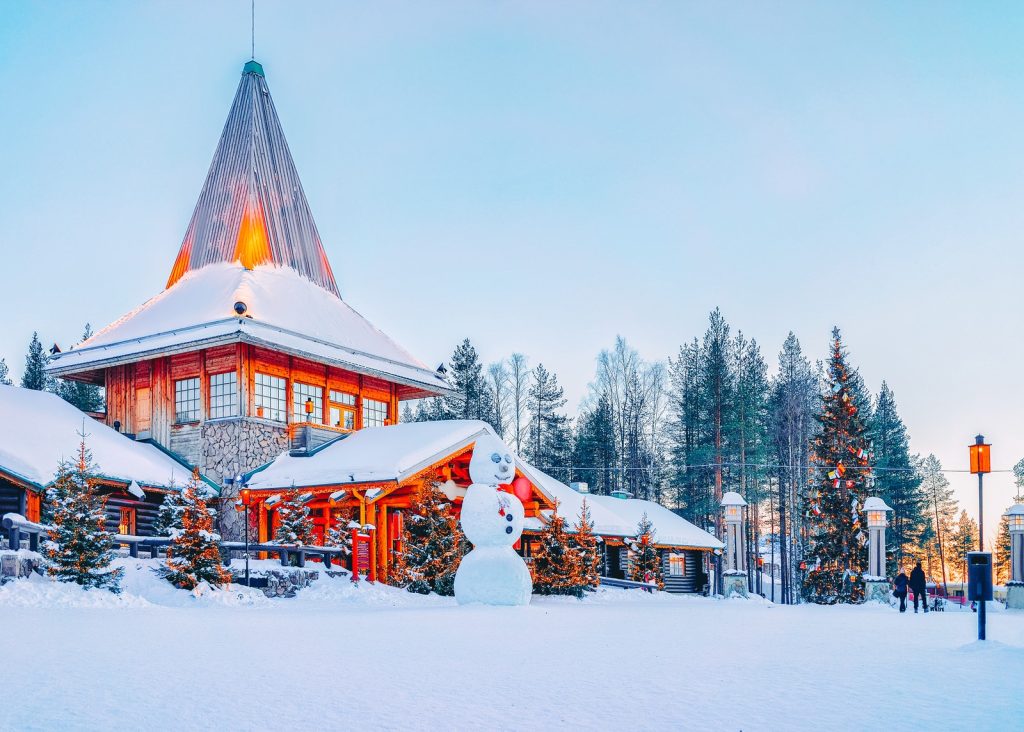
dirganews.com – When people dream about a true winter wonderland, few destinations can compete with Lapland. Located in the northernmost regions of Finland, Sweden, and Norway, Lapland is a magical destination where snow-covered forests stretch endlessly across the landscape, frozen lakes sparkle under the winter sun, and the Northern Lights dance across the Arctic sky. As a result, many travelers consider Lapland one of the most enchanting winter destinations in the world. For many visitors, traveling to Lapland is more than just a vacation; it is an opportunity to experience one of the most extraordinary natural environments on Earth.
In recent years, Lapland Winter Travel has become one of the fastest-growing tourism trends in Europe. Travelers from around the world are increasingly seeking unique experiences that combine adventure, nature, culture, and relaxation. Consequently, Lapland has emerged as one of the most sought-after winter destinations for families, couples, photographers, nature lovers, and adventure seekers alike.
Unlike traditional ski resorts that primarily focus on winter sports, Lapland offers a much broader range of experiences. Visitors can ride through snowy forests on a husky sled, meet reindeer herders, sleep under the stars in a glass igloo, enjoy traditional Arctic cuisine, and witness the breathtaking beauty of the Aurora Borealis. Furthermore, the peaceful atmosphere and pristine wilderness create a sense of escape that is becoming increasingly rare in today’s fast-paced world. Because of this, many travelers choose Lapland as a destination where they can reconnect with nature and enjoy a slower pace of life.
What Is Lapland?
Lapland is a vast Arctic region that stretches across northern Finland, Sweden, Norway, and a small part of Russia. However, when most travelers refer to Lapland, they are usually talking about Finnish Lapland, which is the most popular and accessible part of the region for international tourism.
This remarkable destination lies above the Arctic Circle, a geographical boundary that marks one of the northernmost inhabited regions of the world. Because of its unique location, Lapland experiences natural phenomena not found in many other destinations. During winter, snow blankets the landscape for months, while the long Arctic nights provide ideal conditions for viewing the Northern Lights. As a result, the region has become one of the world’s leading destinations for winter tourism and Aurora hunting.
Dense forests, frozen rivers, vast wilderness areas, rolling hills, and traditional Sami communities characterize the region. In addition, its diverse landscapes provide countless opportunities for outdoor adventures and nature exploration. Consequently, visitors can enjoy a rare combination of untouched wilderness and authentic cultural experiences.
Why Lapland Winter Travel Is Becoming So Popular
thetravelimages.com
The growing popularity of Lapland can be attributed to several factors that align perfectly with modern travel trends.
A Unique Winter Experience
Many travelers spend winter in destinations where snow is simply a seasonal occurrence. In Lapland, however, winter defines the entire experience. Snow-covered landscapes, frozen lakes, and Arctic adventures become part of everyday life.
As a result, visitors feel as though they have stepped into a completely different world. The scenery often resembles scenes from fairy tales, creating an atmosphere that is both magical and unforgettable.
The Rise of Experience-Based Tourism
Modern travelers increasingly prioritize experiences over material possessions. Instead of simply visiting famous landmarks, people want meaningful adventures that create lasting memories.
Lapland offers exactly this type of travel experience. Activities such as dog sledding, snowmobiling, ice fishing, and reindeer safaris provide opportunities for genuine adventure while connecting visitors with local traditions and nature.
Social Media Influence
The visual appeal of Lapland has also contributed significantly to its popularity. Stunning photographs of glass igloos, snow-covered forests, and colorful Northern Lights frequently appear across social media platforms.
Consequently, more travelers become inspired to visit the region and experience its beauty firsthand.
The Magic of the Northern Lights
- One of the biggest reasons people choose Lapland is the opportunity to witness the Northern Lights.
- The Aurora Borealis is a natural phenomenon that occurs when charged particles from the sun interact with Earth’s atmosphere. This interaction creates colorful displays of green, purple, pink, and blue lights that move across the night sky.
- For many travelers, seeing the Northern Lights is a lifelong dream.
- Lapland offers some of the best viewing conditions in the world because of its northern location, minimal light pollution, and long winter nights. During the peak season, visitors have multiple opportunities to witness this extraordinary spectacle.
- Furthermore, local tour operators often organize specialized Northern Lights excursions that take travelers to remote areas with optimal viewing conditions.
- Watching the sky suddenly illuminate with moving colors is an experience that many visitors describe as emotional, humbling, and unforgettable.
Exploring Santa Claus Village
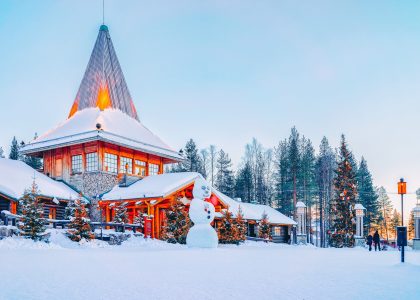
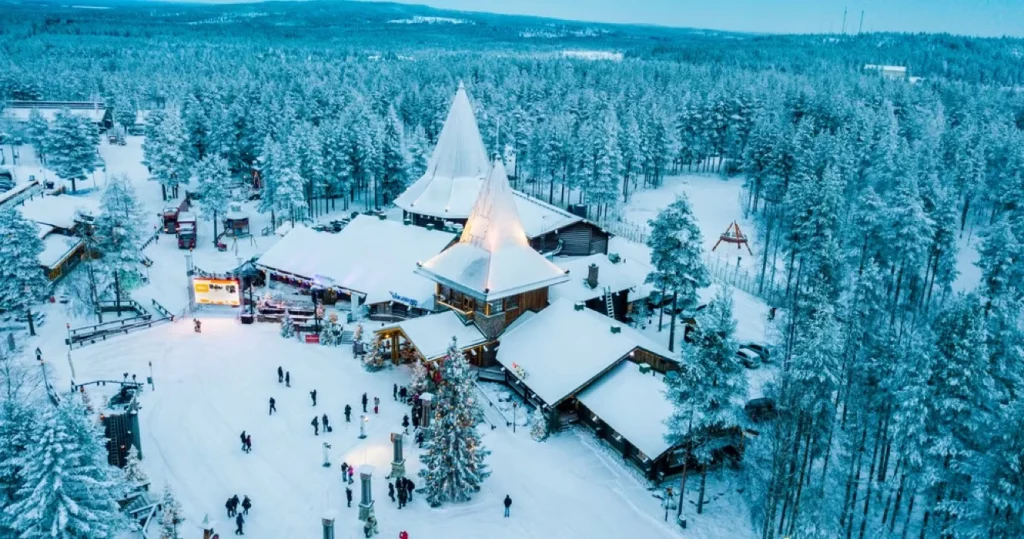
- No Lapland travel guide would be complete without mentioning Santa Claus Village.
- Located near the city of Rovaniemi, Santa Claus Village attracts visitors from around the world throughout the year. However, the destination becomes especially magical during winter.
- Families can meet Santa Claus, cross the Arctic Circle, send postcards from Santa’s official post office, and participate in various seasonal activities.
- Children often consider meeting Santa Claus to be one of the highlights of their trip. Meanwhile, adults appreciate the festive atmosphere and unique Arctic setting.
- Additionally, the village features restaurants, souvenir shops, and cultural exhibitions that help visitors learn more about local traditions.
Husky Safaris: One of Lapland’s Most Exciting Adventures
- Husky safaris are among the most popular activities in Lapland.
- These energetic dogs have been used for transportation in Arctic regions for centuries. Today, visitors can experience the thrill of riding through snow-covered forests while guided by experienced mushers.
- The adventure typically begins with an introduction to the dogs and basic safety instructions. Once the journey starts, travelers glide across frozen landscapes while surrounded by breathtaking scenery.
- Moreover, husky safaris provide an opportunity to connect with nature in a unique and environmentally friendly way.
- Many visitors describe the combination of speed, silence, and Arctic beauty as one of the most memorable experiences of their entire trip.
Reindeer Safaris and Sami Culture
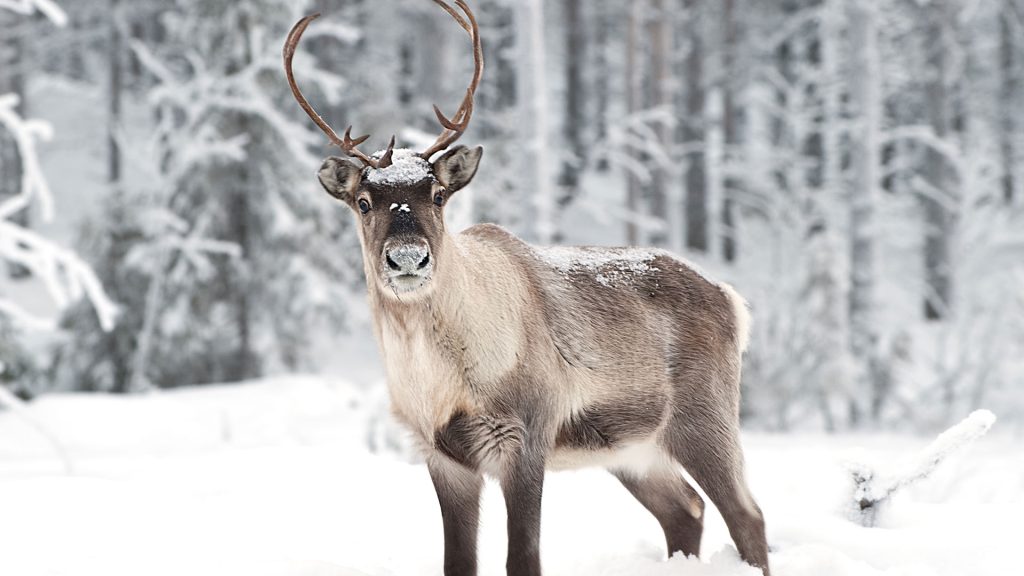
- Reindeer hold deep cultural significance in Lapland.
- For generations, indigenous Sami communities have relied on reindeer herding as an important part of their traditional lifestyle. Consequently, reindeer remain one of the most recognizable symbols of the Arctic region.
- Visitors can participate in reindeer safaris that offer a slower and more peaceful alternative to husky adventures.
- As travelers move through snowy landscapes in traditional sleds, guides often share stories about Sami history, culture, and daily life.
- These experiences provide valuable cultural insights while supporting local communities and preserving traditional practices.
Snowmobile Adventures Across the Arctic Wilderness
- For travelers seeking excitement, snowmobiling offers an exhilarating way to explore Lapland’s vast landscapes.
- Modern snowmobiles allow visitors to cover large distances across frozen lakes, forests, and open tundra areas.
- Furthermore, guided tours cater to different skill levels, making the activity accessible to both beginners and experienced riders.
- The sense of freedom that comes from traveling through untouched Arctic wilderness is difficult to replicate elsewhere.
- As a result, snowmobiling remains one of the most popular winter activities in the region.
Staying in a Glass Igloo
- One of the most iconic experiences associated with Lapland winter travel is staying in a glass igloo.
- These specially designed accommodations feature transparent roofs that allow guests to observe the night sky from the comfort of their beds.
- During clear nights, visitors may even witness the Northern Lights without stepping outside.
- In addition to offering spectacular views, many glass igloos provide luxurious amenities that combine comfort with adventure.
- Consequently, these accommodations have become particularly popular among honeymooners and couples seeking unique travel experiences.
Ice Hotels and Snow Accommodations
- Lapland also offers some of the world’s most unusual accommodation options.
- Ice hotels are constructed entirely from snow and ice, creating temporary structures that are rebuilt each winter.
- Guests can sleep in rooms featuring ice sculptures, frozen furniture, and artistic lighting displays.
- Although temperatures remain cold, specialized sleeping equipment ensures a comfortable night’s rest.
- For adventurous travelers, spending a night in an ice hotel represents a truly unique Arctic experience.
Traditional Arctic Cuisine
One of the most rewarding aspects of traveling to Lapland is discovering its unique and flavorful Arctic cuisine. While many visitors initially come to the region for its stunning winter landscapes, Northern Lights, and outdoor adventures, they are often pleasantly surprised by the rich culinary traditions that have developed in this remote northern environment. Traditional Arctic cuisine reflects centuries of adaptation to challenging climatic conditions, where local communities learned to make the most of the natural resources available throughout the year.
Reindeer: The Iconic Taste of Lapland
Perhaps no ingredient is more closely associated with Lapland than reindeer. For centuries, reindeer have played a vital role in the lives of local communities, particularly the Indigenous Sami people, who have traditionally relied on reindeer herding as an important part of their culture and livelihood.
Today, reindeer meat remains one of the most popular and recognizable foods in the region. It is known for its lean texture, rich flavor, and nutritional value. Unlike many types of red meat, reindeer is naturally low in fat while being high in protein and essential nutrients. Consequently, it is considered both healthy and delicious.
One of the most famous dishes is sautéed reindeer, often served with mashed potatoes, lingonberry sauce, and pickled cucumbers. The combination of tender meat and sweet-tart berries creates a distinctive flavor profile that many visitors remember long after their trip. Moreover, local restaurants frequently prepare reindeer using traditional recipes that highlight the ingredient’s natural taste.
Fresh Arctic Fish
Because Lapland is home to numerous rivers, lakes, and waterways, fish have long been an essential part of the local diet. Arctic waters provide a variety of fish species that are prized for their freshness and quality.
Salmon is perhaps the most well-known fish served throughout the region. It is often prepared using traditional smoking techniques that enhance its flavor while preserving the fish naturally. In addition, visitors can enjoy grilled, baked, or cured salmon dishes in restaurants across Lapland.
Another popular species is Arctic char, a cold-water fish known for its delicate texture and mild flavor. Similarly, trout and whitefish frequently appear on local menus, often accompanied by seasonal vegetables and traditional sauces. As a result, seafood lovers can enjoy a wide range of fresh and authentic Arctic dining experiences.
Wild Berries: Nature’s Sweet Treasure
Despite its harsh climate, Lapland produces an abundance of wild berries that play an important role in local cuisine. During the short Arctic summer, forests and wetlands become filled with nutrient-rich berries that are carefully harvested and preserved for use throughout the year.
Lingonberries are among the most common and widely used berries in Lapland. Their slightly tart flavor pairs exceptionally well with meat dishes, particularly reindeer. Consequently, lingonberry sauce has become a staple accompaniment in many traditional meals.
Best Time to Visit Lapland in Winter
Choosing the right time to visit Lapland can significantly enhance your overall travel experience. Although the winter season generally lasts from November to April, each month offers unique weather conditions, activities, and natural attractions. Therefore, understanding the differences between each period can help travelers select the best time based on their interests, budget, and travel goals.
One of the most remarkable aspects of Lapland is that winter transforms the region into a magical Arctic wonderland for several months each year. Snow-covered forests, frozen lakes, and breathtaking landscapes create an atmosphere that feels almost otherworldly. Moreover, seasonal changes throughout the winter provide different opportunities for adventure, photography, wildlife experiences, and Northern Lights viewing.
November: The Beginning of the Arctic Winter
November marks the arrival of winter in Lapland. During this time, the first significant snowfall begins to cover the landscape, transforming forests and villages into picturesque winter scenes. Although snow conditions may vary depending on the year and location, many winter activities gradually become available as temperatures continue to drop.
One major advantage of visiting in November is the smaller number of tourists. Consequently, travelers can enjoy a quieter and more peaceful experience while benefiting from lower accommodation rates and fewer crowds at popular attractions. Furthermore, the long nights create favorable conditions for Northern Lights viewing, making November an attractive option for Aurora hunters.
December: The Most Magical Time of the Year
For many travelers, December is considered one of the most enchanting months to visit Lapland. The holiday season transforms the region into a real-life winter fairy tale, complete with festive decorations, Christmas markets, and snow-covered landscapes.
The atmosphere is particularly magical around Santa Claus Village in Rovaniemi, where visitors from around the world gather to experience the spirit of Christmas. In addition, families traveling with children often choose December because it offers the opportunity to meet Santa Claus and participate in various seasonal activities.
However, December is also one of the busiest travel periods of the year. As a result, flights, accommodations, and popular tours tend to be more expensive. Therefore, travelers planning a December visit should book well in advance to secure the best availability and pricing.
January: Peak Winter Conditions
January is often regarded as the heart of the Arctic winter. During this month, Lapland experiences deep snow coverage, frozen lakes, and consistently cold temperatures. Consequently, conditions are ideal for many winter activities, including snowmobiling, husky safaris, snowshoeing, and cross-country skiing.
Although temperatures can occasionally fall below -20°C (-4°F), the dry Arctic air often makes the cold feel more manageable than many travelers expect. Furthermore, the snow-covered landscapes become even more stunning under the soft winter sunlight.
Northern Lights visibility remains excellent throughout January due to the long hours of darkness. Therefore, visitors who prioritize Aurora viewing often consider January one of the best months to travel.
February: Excellent Snow and Northern Lights Opportunities
February continues to offer outstanding winter conditions while gradually providing slightly longer daylight hours. The combination of deep snow, clear skies, and extended daylight makes this month highly attractive for outdoor enthusiasts and photographers.
Many travelers prefer February because they can enjoy winter activities during the day while still having ample opportunities to search for the Northern Lights at night. Additionally, the increasing daylight allows visitors to spend more time exploring Lapland’s beautiful natural landscapes.
Because February falls within the peak winter tourism season, popular accommodations and activities may still experience high demand. Nevertheless, many travelers consider the balance between daylight and winter conditions to be nearly perfect.
March: Longer Days and Beautiful Winter Landscapes
March is one of the most popular months for Lapland winter travel. While winter conditions remain excellent, daylight hours increase significantly compared to earlier months. As a result, visitors can enjoy longer days for sightseeing, photography, and outdoor adventures.
The snow remains deep across most parts of Lapland, creating ideal conditions for skiing, snowmobiling, and reindeer safaris. At the same time, temperatures often become slightly milder, making outdoor activities more comfortable for many travelers.
Furthermore, Northern Lights viewing remains possible throughout much of March. Because of the combination of favorable weather, beautiful lighting conditions, and excellent snow coverage, many experienced travelers consider March one of the best times to visit Lapland.
April: Late-Winter Adventures and Spring Sunshine
April represents the transition between winter and spring in Lapland. Despite the arrival of warmer temperatures, snow conditions often remain suitable for winter activities, particularly in northern areas.
One of the biggest advantages of visiting in April is the abundance of daylight. Travelers can enjoy extended outdoor adventures while experiencing bright Arctic sunshine reflecting off the snowy landscape. Moreover, accommodation prices may begin to decrease as the peak tourism season gradually comes to an end.
Although Northern Lights opportunities become less frequent due to shorter nights, visitors can still occasionally witness the Aurora during clear evenings. Additionally, the combination of snow-covered scenery and pleasant temperatures makes April an excellent choice for those who prefer milder winter conditions.
Best Time for Northern Lights
If your primary goal is to see the Northern Lights, the best period generally falls between September and early April. However, the months from December through March are particularly popular because they combine long hours of darkness with winter activities and snow-covered scenery.
Clear skies are essential for Aurora viewing. Therefore, travelers should plan multiple nights in Lapland to maximize their chances of witnessing this extraordinary natural phenomenon. Fortunately, many destinations in the region offer Aurora alerts and guided tours that help improve viewing opportunities.
Best Time for Winter Activities
Travelers interested in snow-based adventures such as husky sledding, snowmobiling, skiing, and reindeer safaris will generally find the best conditions between January and March. During this period, snow coverage is typically at its deepest and most reliable.
Moreover, frozen lakes and rivers create ideal environments for activities such as ice fishing and Arctic wilderness excursions. Consequently, adventure seekers often prefer these months for their Lapland vacations.
Best Time for Budget Travelers
Visitors looking to reduce travel expenses may find better value during November and early April. These periods generally experience fewer tourists, which can lead to lower prices for accommodations and flights.
In addition, popular attractions are often less crowded, allowing travelers to enjoy a more relaxed experience. Therefore, budget-conscious visitors who are flexible with their travel dates can often find excellent opportunities outside the busiest holiday periods.
Travel Costs and Budget Planning
www.bing.com
Planning your travel budget is one of the most important steps when organizing a trip to Lapland. Although Lapland is often considered a premium winter destination, careful planning can help travelers manage expenses effectively while still enjoying the region’s incredible attractions and activities. Furthermore, understanding the typical costs associated with transportation, accommodation, dining, and excursions allows visitors to create a realistic budget and avoid unexpected expenses during their journey.
One of the first expenses travelers should consider is transportation. The total cost of reaching Lapland largely depends on your departure location, travel season, and booking time. Generally, flights during the peak winter season, especially around Christmas and New Year, tend to be significantly more expensive due to high demand. Therefore, booking flights several months in advance can often result in substantial savings. In addition, travelers who are flexible with their travel dates may find more affordable options during less crowded periods of the winter season.
Sustainable Tourism in Lapland
Conclusion
Lapland Winter Travel offers far more than a typical winter vacation. It provides an opportunity to experience one of the most extraordinary environments on Earth, where breathtaking natural phenomena, unique cultural traditions, and unforgettable adventures come together in perfect harmony.
From witnessing the magical Northern Lights and exploring snow-covered forests to meeting reindeer, riding husky sleds, and sleeping beneath Arctic skies, every moment in Lapland feels special. Moreover, the region’s peaceful atmosphere and stunning landscapes create memories that last a lifetime.
For travelers seeking a destination that combines adventure, relaxation, culture, and natural beauty, Lapland stands among the world’s most remarkable winter destinations. Whether you are traveling as a couple, family, solo adventurer, or photography enthusiast, a journey to Lapland promises an experience unlike any other.
FAQ
Is Lapland worth visiting in winter?
Yes. Winter is the most popular season because it offers snow activities, Northern Lights viewing, and the magical Arctic atmosphere that Lapland is famous for.
How many days should I spend in Lapland?
Most travelers recommend spending between 5 and 7 days to fully experience the region’s attractions and activities.
Can you see the Northern Lights every night?
No. Visibility depends on weather conditions, cloud cover, and solar activity. However, Lapland offers some of the best chances in the world to see them.