dirganews.com – The Indonesian archipelago houses some of the most ecologically diverse and geographically dramatic landscapes on Earth, yet Sumatra, its largest western island, remains an untamed frontier for serious outdoor exploration. Straddling the equator, this landmass features a massive spine of volcanic mountains, vast primordial rainforests, ancient calderas, and remote coastlines that present unique challenges and rewards for overland travelers. Navigating this environment demands more than standard backpacking preparation; it requires an acute understanding of equatorial meteorology, localized tribal jurisdictions, volcanic activity cycles, and complex tropical ecosystems.
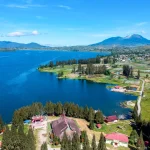
Traversing the island to experience its premier wilderness camps exposes travelers to a staggering variety of biomes. From high-altitude alpine zones on active stratovolcanoes like Mount Kerinci to massive freshwater caldera lakes such as Lake Toba, and dense jungle borders where endangered wildlife roam, the topography is as unforgiving as it is visually arresting. Expeditions here test self-reliance, logistical planning, and physical resilience while offering unmatched visual and emotional rewards for those properly equipped.
This analysis serves as a definitive operational reference for exploring the natural wilderness of the island. By examining the structural realities, environmental hazards, logistical requirements, and regional variations associated with outdoor expeditions, this inquiry establishes an analytical framework for safely and responsibly experiencing the most striking backcountry vistas across the region.
Understanding “Scenic Camping Spots Sumatra.”
bing.com
The phrase “scenic camping spots Sumatra” is frequently oversimplified by digital travel aggregators and social media narratives, which tend to reduce the rugged equatorial wilderness to picturesque, easily accessible backdrops. In reality, identifying and utilizing premier outdoor locations across the island requires navigating a complex matrix of tropical weather patterns, land tenure laws, local community governance, and physical isolation. A common misinterpretation assumes that wild camping here resembles regulated park camping in North America or Europe, where marked trails, established amenities, and predictable emergency services are standard.
In professional expedition terms, an authentic wilderness site in this region is defined by its remoteness, ecological fragility, and the heavy logistical friction required to reach and sustain camp. Valuation of these locations relies not on tourist infrastructure, but on factors such as water source reliability, protection from fierce tropical squalls, stability of volcanic or alluvial ground, and distance from wildlife migration corridors. Properties or public lands lacking these fundamental safety parameters expose travelers to severe environmental hazards, regardless of how striking the initial visual panorama may be.
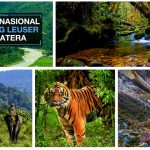
True comprehension of this domain requires analyzing how distinct regional geographies shape outdoor strategy. A high-altitude camp on an active volcano in Jambi demands specialized cold-weather alpine gear, wind-shedding tent structures, and volcanic gas monitoring. Conversely, a lowland jungle camp along the buffer zones of the Leuser Ecosystem in Aceh requires intense humidity management, leech protection, stringent food-hanging protocols to deter wildlife, and waterproof shelter systems capable of handling torrential downpours. Evaluating these locations demands an analytical framework that weighs scenic reward against raw environmental exposure.
Historical Evolution of Sumatran Wilderness Travel
The evolution of outdoor exploration and wilderness camping on the island reflects broader shifts in regional infrastructure, conservation policy, and demographic mobility. Historically, travel across the interior was dictated by ancient trade routes, footpaths connecting remote volcanic agricultural settlements, and dense river networks utilized by indigenous communities. Camping was purely utilitarian, a temporary necessity for hunters, gatherers, merchants, and scientific surveyors traversing the dense interior spine of the Bukit Barisan mountain range.
Throughout the late twentieth century, the establishment of massive protected areas such as the Kerinci Seblat National Park and Gunung Leuser National Park formalized the ecological boundaries of the region. These protective designations shifted the nature of backcountry travel, transforming casual movement through the interior into regulated eco-tourism and scientific expeditionary work. Concurrently, the expansion of logging roads, geothermal exploration paths, and rural infrastructure gradually opened previously impenetrable interior highlands to adventurous overlanders and mountaineers.
In contemporary contexts, accessing pristine wilderness areas involves balancing increasing global interest in off-grid travel with tightening conservation mandates and local community stewardship. Modern expeditions must contend with shifting village permissions, changing regional weather predictability driven by global climate shifts, and the ongoing imperative to protect vulnerable endemic flora and fauna. Acquiring deep knowledge of these historical and systemic shifts allows modern travelers to navigate the interior with proper contextual awareness and respect for local authorities.
Conceptual Frameworks for Tropical Expeditions
Evaluating, planning, and executing an expedition to premier backcountry locations requires robust mental models designed for tropical and high-altitude environments.
The equatorial hydrological gradient models the violent and unpredictable water dynamics of the tropics. It evaluates camp placement relative to flash-flood zones, river confluences, and saturated soil slopes, ensuring that shelter setups avoid alluvial runouts and sudden torrential inundation during monsoon phases.
The isolation-logistics ratio maps the distance and physical friction separating a campsite from emergency evacuation points. It quantifies the trade-off between visual isolation and wilderness purity against the time required to extract an injured team member through difficult terrain without cellular connectivity.
Wilderness Camp Categories and Geographic Variations
Backcountry and outdoor locations across the island manifest in several distinct typologies, each imposing unique operational trade-offs, gear requirements, and logistical profiles.
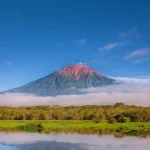
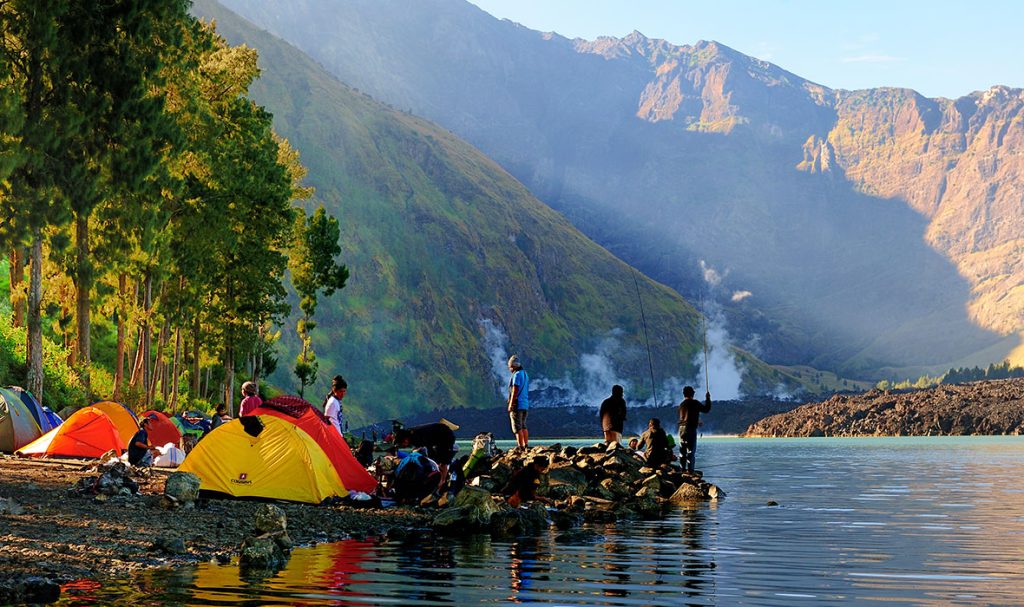
High-altitude volcanic calderas and ridges feature camps situated above the tree line on active or dormant stratovolcanoes like Mount Kerinci, Mount Dempo, or Mount Sinabung. These locations provide spectacular panoramic vistas above the cloud layer and cool temperatures, balanced against extreme wind exposure, cold night temperatures, volcanic gas hazards, and steep physical ascents.
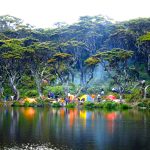
Deep rainforest and national park buffer zones consist of jungle camps established within the dense canopies of primary lowland and montane forests. These areas offer unmatched biodiversity, primary wilderness immersion, and pristine old-growth environments, offset by extreme humidity, constant mud, intense insect pressure, and heavy rainfall.
Coastal and island beach sanctuaries comprise remote sandy stretches along the western Indian Ocean coast or offshore island groups like the Banyak or Mentawai archipelagos. They deliver oceanic breezes, tropical island aesthetics, and marine access, offset by aggressive sandflies, saltwater corrosion, and high exposure to coastal storms.
Real-World Expedition Scenarios and Operational Dynamics
To understand how backcountry locations behave under operational stress, consider four distinct field scenarios encountered by expedition teams.
An expedition camped on the high ridge of an active stratovolcano experiences a sudden shift in wind direction, carrying dense sulfur dioxide and volcanic ash down over the camp. Tent fabric degrades or allows fine particulate and toxic gas infiltration, causing respiratory distress and panic among team members in the dark. The team is forced to execute a hazardous emergency night descent down steep, loose volcanic scree without adequate visibility, increasing injury risks.
A team camps on a flat, appealing gravel bar alongside a clear jungle river during the dry season, underestimating upstream downpours. Heavy, unseen upstream monsoonal rains swell the river within minutes, washing away food supplies, cooking gear, and lower-lying tents in the middle of the night. This results in the complete loss of essential shelter and emergency rations, stranding the team on an isolated mudbank until water levels recede hours later.
Planning, Cost, and Resource Allocation for Sumatran Treks
Executing an extended backcountry expedition across the island demands rigorous financial and logistical planning. Operating expenses extend far beyond basic gear purchases to include mandatory local permits, guide fees, porter wages, and specialized transportation.
Local guides and porters typically range from Rp 300,000 to Rp 1,500,000 per day depending on terrain difficulty and expedition duration. National park conservation permits add between Rp 150,000 and Rp 750,000 per person, while specialized 4×4 or boat transport varies from Rp 1,000,000 to over Rp 5,000,000 based on road conditions and remote island crossings.
A frequent planning miscalculation involves underestimating the financial and physical cost of equipment failure in remote areas. Sourcing replacement gear in rural Sumatran towns is nearly impossible for technical outdoor items. Allocating capital toward high-reliability, moisture-resistant equipment and compensating experienced local guides fairly ensures operational continuity and mitigates catastrophic expedition failure.
Essential Gear, Tools, and Support Systems
Successfully managing a wilderness expedition in this challenging environment requires a reliable ecosystem of physical equipment, digital navigation tools, and local human partnerships.
When setting up base camp in volatile weather zones, utilizing heirloom-grade shelters is critical for survival. The Snow Peak Amenity Dome Medium provides exceptional wind-shedding aerodynamics and durable waterproof framing, solving the problem of sudden high-altitude gale-force winds on Sumatran volcanic ridges. Travelers need this level of robust engineering because standard consumer tents routinely fail under equatorial downpours and heavy gusts. To buy this high-performance shelter for your next expedition, you can secure it directly through authorized outdoor retailers or visit the official Snow Peak platform.
Navigating steep, muddy jungle tracks and volcanic scree slopes requires reliable physical support to prevent joint injury and fatigue. The Decathlon Forclaz MT100 Trekking Pole offers sturdy aluminum construction and secure locking mechanisms, solving the problem of instability on treacherous, unpaved backcountry trails. Hikers need these poles to maintain balance when carrying heavy packs across slick root systems and loose gravel. You can purchase these essential poles directly through the Decathlon Indonesia store.
Working around camp after sunset or executing pre-dawn volcano summit ascents requires reliable hands-free illumination. The Quechua Battery-Operated Headlamp delivers dependable multi-beam lighting, solving the problem of navigating pitch-black jungle canopy interiors or rocky crater rims. Adventurers need a reliable headlamp to manage camp chores and monitor trail conditions safely in the dark. Purchasing options are readily available via the Decathlon Outdoor Equipment catalog.
Risk Landscape and Failure Modes
The risk profile of wilderness travel across the region combines standard backcountry hazards with unique tropical, seismic, and biological threats.
The moisture-rot feedback loop represents a constant danger where continuous high humidity accelerates gear degradation, rusts metal components, ruins matches and fire starters, and fosters severe fungal infections on human skin.
Seismic and volcanic volatility along the Sunda Megathrust exposes campers to sudden earthquakes, volcanic eruptions, and associated landslides without warning, necessitating constant environmental vigilance and pre-planned evacuation routes.
Governance, Maintenance, and Long-Term Adaptation
Preserving the natural integrity of these wilderness locations requires strict adherence to environmental protocols, community agreements, and adaptive management principles.
Expedition leaders and local conservation authorities must continuously monitor trail erosion, campsite soil compaction, waste management compliance, and changes in local weather volatility across seasonal transitions. Leave-no-trace principles mandate carrying out all non-organic refuse and properly disposing of waste in accordance with local park guidelines.
Respecting local customary laws and securing formal village head permissions ensures long-term community support and protects delicate tribal territories from unauthorized exploitation.
Measurement, Tracking, and Evaluation
Evaluating the safety, impact, and success of an outdoor expedition involves tracking both operational performance metrics and environmental preservation indicators.
Quantitative metrics include daily mileage and elevation gain accuracy, water consumption ratios, medical incident counts, and pack-weight efficiency percentages. Qualitative signals encompass team morale under stress, harmony with local guide teams, adherence to environmental ethics, and responsiveness to sudden weather shifts.
Maintaining detailed expedition logs recording GPS waypoints, weather observations, water source conditions, and emergency contact points ensures institutional knowledge for future travelers and scientific surveyors alike.
Common Misconceptions and Oversimplifications
Sumatra’s tropical climate does not mean you can travel light with minimal clothing and basic shelter. Torrential downpours, high-altitude alpine cold, and aggressive humidity require sophisticated, waterproof, and thermal-rated gear systems.
You cannot freely camp anywhere in the wilderness without permits or local permissions. Most premier areas fall under national park jurisdiction or customary village lands, requiring formal permits, local guides, and community consent.
Bottled or packaged water is mandatory because agricultural runoff, upstream human settlements, and high microbial loads make untreated surface water dangerous to consume without rigorous filtration and boiling.
Wildlife in the jungle will not naturally avoid campsites if you keep a quiet profile. Unsecured food and garbage actively attract primates, civets, and insects, making proper storage protocols mandatory.
Ethical, Practical, and Contextual Considerations
Venturing into the wild interior carries a profound responsibility toward the indigenous communities, fragile rainforest biomes, and endangered wildlife populations that call the island home. Responsible stewardship mandates respecting local cultural traditions, minimizing environmental footprints by adhering strictly to pack-in/pack-out protocols, supporting local economies through fair wages for guides and porters, and protecting endangered habitats from degradation.
Furthermore, acknowledging the delicate balance between tourism and conservation ensures that outdoor exploration contributes positively to the long-term preservation of Sumatra’s irreplaceable natural heritage.
Conclusion
The exploration and utilization of wilderness camping locations across Sumatra represent the ultimate synthesis of physical endurance, logistical precision, and deep environmental respect. By moving past romanticized travel myths and confronting the relentless operational realities of equatorial monsoons, volcanic volatility, dense jungle biomes, and complex community governance, travelers can experience some of the most staggering natural landscapes on the planet. Whether scaling the high volcanic ridges of the central mountain spine, resting along the shores of ancient caldera lakes, or navigating deep rainforest buffer zones, these environments demand a synthesis of intellectual rigor, humility, and preparedness.
Frequently Asked Questions
What are the primary weather considerations when camping in Sumatra?
The island experiences high humidity and distinct monsoonal shifts. Campers must prepare for torrential downpours, flash floods in river valleys, and rapid temperature drops at high-altitude volcanic summits. Waterproof gear and robust shelter systems are essential year-round.
Do I need a local guide for wilderness camping in Sumatra?
Yes. Most premier camping locations are situated within national parks or indigenous customary lands where local guides and permits are legally required. Experienced guides ensure safe navigation through dense jungle terrain and volatile volcanic zones.
How should I manage food storage to protect against wildlife?
Unsecured food attracts endemic fauna such as macaques, civets, and insects. All rations must be stored in airtight, heavy-duty containers or suspended securely away from sleeping areas to maintain camp safety and protect local wildlife behaviors.