
dirganews.com – Coastal trekking in Liguria offers one of the most unforgettable hiking experiences in Europe. Located along the northwestern coastline of Italy, Liguria stretches between the turquoise waters of the Ligurian Sea and the rugged slopes of the Apennine Mountains. This narrow yet spectacular region is known for its dramatic cliffs, colorful fishing villages, terraced vineyards, and centuries-old hiking paths that hug the coastline.
For outdoor enthusiasts, trekking along the Ligurian coast combines natural beauty, cultural heritage, and culinary delights in one remarkable journey. Whether you are exploring ancient mule tracks between seaside villages or following panoramic cliffside trails overlooking the Mediterranean, every step reveals stunning scenery and authentic Italian charm.
This comprehensive guide will help you understand why coastal trekking in Liguria has become a dream destination for hikers worldwide. From the best routes and landscapes to cultural highlights and practical trekking tips, everything you need to know about this spectacular coastal adventure is covered below.
Why Coastal Trekking in Liguria Is So Special
travelpassionate.com
Liguria stands apart from many other coastal hiking destinations due to its unique geography and cultural heritage. The region forms a narrow arc between mountains and sea, creating cliffs that plunge dramatically into crystal-clear waters.
Because of this landscape, traditional communities historically built pathways and terraces into the mountainsides. Many of these ancient paths were once used by farmers transporting olives, grapes, and lemons between villages and fields. Today, these routes have evolved into some of the most beautiful trekking trails in Europe.
Several elements make coastal trekking in Liguria particularly extraordinary.
Dramatic Mediterranean Landscapes
Liguria’s coastline is famous for its rugged cliffs, hidden coves, and turquoise waters. Trekkers often walk along narrow paths carved into the mountainside while enjoying panoramic views of the Mediterranean stretching to the horizon.
In spring and summer, the hillsides bloom with wildflowers, rosemary, thyme, and lavender. Olive groves and vineyards cover terraced slopes, creating a patchwork landscape that blends agriculture with natural beauty.
Historic Coastal Villages
Another highlight of trekking in Liguria is the chance to visit picturesque villages that seem frozen in time. Many of these settlements date back centuries and feature narrow stone streets, colorful houses, and small harbors filled with fishing boats.
These villages provide perfect resting points during a trek, allowing hikers to enjoy local food, explore historical architecture, and experience the authentic lifestyle of the region.
Mild Mediterranean Climate
Liguria enjoys a mild Mediterranean climate with comfortable temperatures for most of the year. Winters are relatively warm compared to northern Europe, while spring and autumn offer ideal trekking conditions with cooler air and fewer crowds.
This climate allows hikers to explore coastal trails year-round, although the most popular seasons are April to June and September to October.
Best Regions for Coastal Trekking in Liguria
Liguria offers a wide range of coastal trekking experiences, each with its own character and scenery. Some areas are famous for dramatic cliffs and iconic villages, while others offer quieter paths through wild landscapes.
Cinque Terre Coastal Trails
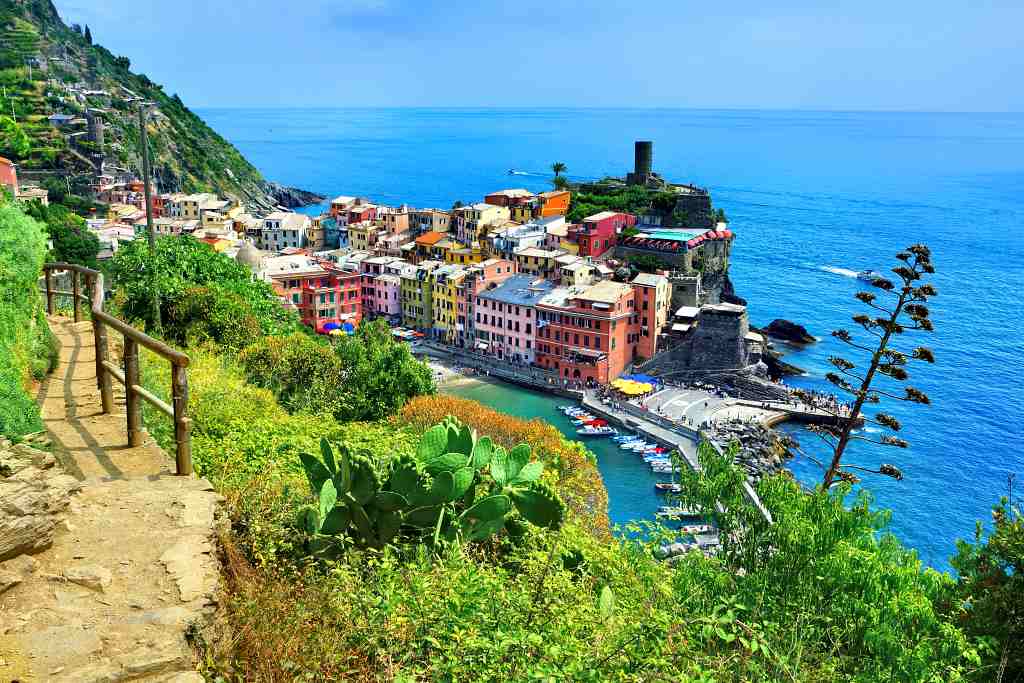
One of the most iconic coastal trekking destinations in Italy is Cinque Terre. This UNESCO World Heritage area consists of five colorful villages perched along cliffs overlooking the sea.
The villages include Monterosso al Mare, Vernazza, Corniglia, Manarola, and Riomaggiore. These communities are connected by a network of hiking trails that offer spectacular coastal views.
The most famous path is the Sentiero Azzurro, also known as the Blue Trail. This route links the five villages and provides hikers with panoramic views of vineyards, terraced hillsides, and the Mediterranean Sea.
Although parts of the trail can be steep and challenging, the effort is rewarded with breathtaking scenery and unforgettable cultural experiences.
Portofino Regional Park
Another exceptional trekking area is Portofino Regional Park. Located near the glamorous harbor town of Portofino, this natural park features lush forests, dramatic cliffs, and peaceful hiking paths.
Unlike the more crowded trails of Cinque Terre, Portofino Regional Park often feels quieter and more secluded. The network of trails passes through Mediterranean woodland filled with oak, pine, and olive trees.
One of the most rewarding hikes leads to San Fruttuoso Abbey, a historic monastery located in a secluded bay accessible only by boat or hiking trail.
Riviera di Ponente
The western section of Liguria, known as Riviera di Ponente, offers a different coastal trekking experience. The terrain here is slightly less steep, and the trails pass through charming villages, olive groves, and coastal hills.
This region is ideal for hikers looking for quieter routes away from the most famous tourist destinations.
The coastline here also features long sandy beaches, historic towns, and excellent seafood restaurants where trekkers can relax after a day on the trail.
Scenic Highlights Along Liguria’s Coastal Trails
Every coastal trek in Liguria offers countless moments of beauty and discovery. The landscapes constantly change as trails weave through forests, vineyards, and seaside cliffs.
Panoramic Sea Views
One of the most memorable aspects of trekking in Liguria is the constant presence of the sea. Many trails follow high ridges or cliffs that overlook the Mediterranean.
From these vantage points, hikers can see fishing boats, sailboats, and sometimes even dolphins swimming offshore.
Sunset views are particularly spectacular, as the golden light reflects off the sea and illuminates the colorful villages along the coast.
Terraced Vineyards and Olive Groves
Liguria’s steep hillsides are covered with ancient terraces supported by stone walls. These terraces allow farmers to cultivate olives, grapes, and vegetables despite the rugged terrain.
While trekking, hikers often walk through these agricultural landscapes, passing vineyards that produce local wines and olive groves that have existed for centuries.
These terraces also play an important role in preventing erosion and preserving the region’s cultural heritage.
Hidden Beaches and Secluded Bays
Many coastal trails descend toward small beaches and hidden coves that are inaccessible by road. These secluded spots offer perfect places for rest, swimming, or enjoying a peaceful moment by the sea.
The contrast between rugged cliffs and tranquil beaches creates a dramatic and unforgettable landscape.
Cultural Experiences During Coastal Trekking
www.oeg.edu.au
Trekking in Liguria is not only about nature. The region’s culture, history, and cuisine add another dimension to the journey.
Traditional Ligurian Villages
The villages along the Ligurian coast often feature narrow alleyways, stone staircases, and colorful houses painted in shades of yellow, orange, and pink. These villages were historically built in compact clusters to protect residents from pirate attacks and harsh weather. Walking through these settlements offers a glimpse into centuries of maritime history and local traditions.
Ligurian Cuisine
After a long day of trekking, few experiences are more satisfying than enjoying authentic Ligurian food. The region is famous for dishes such as pesto, focaccia bread, fresh seafood, and pasta specialties. Olive oil and aromatic herbs play an important role in the local cuisine. Many small restaurants and trattorias in coastal villages serve traditional meals made from locally sourced ingredients.
Maritime Heritage
Liguria has long been connected to the sea. Fishing villages, historic ports, and maritime traditions remain an essential part of the region’s identity. Trekkers often encounter small harbors filled with colorful fishing boats and nets drying in the sun. These scenes reflect a lifestyle that has changed little over generations.
Popular Coastal Trekking Routes in Liguria
Liguria offers numerous trekking routes, each with different levels of difficulty and scenery.
Monterosso to Vernazza Trail
This section of the Cinque Terre trail system is widely considered one of the most beautiful coastal hikes in Italy. The path climbs steeply from Monterosso before descending toward Vernazza, offering spectacular views of cliffs, vineyards, and the Mediterranean Sea. Although relatively short, the route includes many steps and requires moderate fitness.
Camogli to San Fruttuoso
This scenic trail passes through forests and coastal cliffs inside Portofino Regional Park. The hike leads to San Fruttuoso Abbey, a historic monastery located in a hidden bay surrounded by mountains. At the end of the trail, hikers can swim in the clear water or explore the ancient monastery before returning by boat.
Levanto to Monterosso via Punta Mesco
This route provides a quieter alternative to the main Cinque Terre paths. The trail climbs through forests and open hillsides before reaching the Punta Mesco promontory. From this viewpoint, hikers enjoy one of the most dramatic panoramas of the Cinque Terre coastline.
Practical Tips for Coastal Trekking in Liguria
To fully enjoy coastal trekking in Liguria, proper planning and preparation are essential.
- Choose the Right Season: Spring and autumn are generally the best seasons for trekking. The weather is comfortable, and the landscapes are vibrant with flowers or autumn colors. Summer can be hot and crowded, especially in popular areas like Cinque Terre.
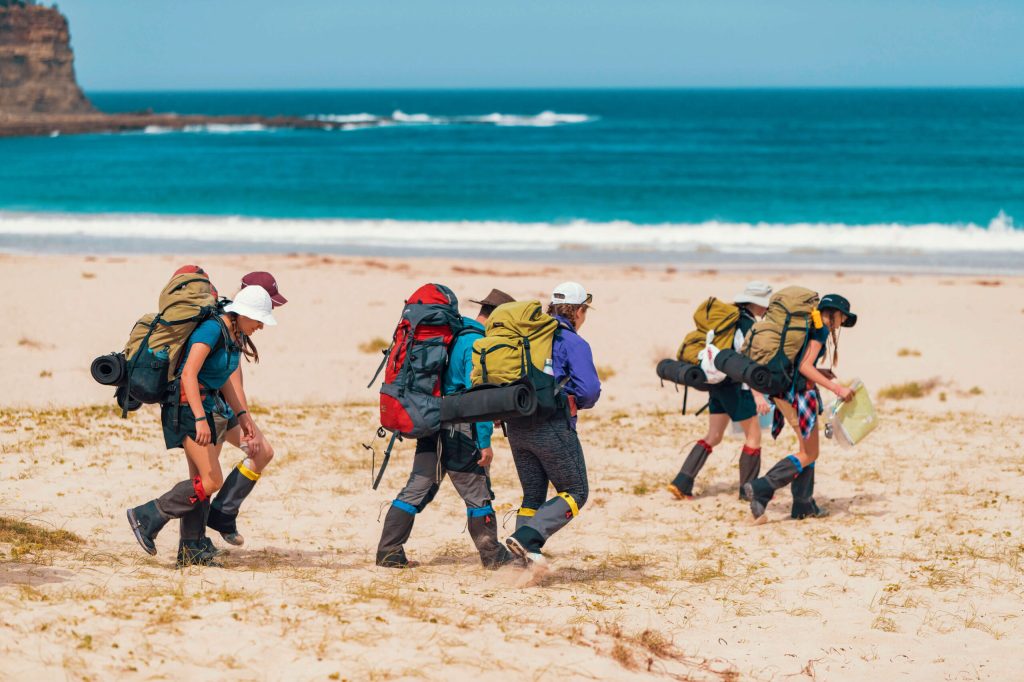
- Wear Proper Hiking Gear: Although many Ligurian trails are well maintained, they often include steep climbs, stone steps, and uneven surfaces. Comfortable hiking shoes with good grip are essential. Lightweight clothing, sun protection, and a refillable water bottle are also recommended.
Respect Nature and Local Communities: Liguria’s landscapes and villages are delicate environments. Trekkers should follow marked trails, avoid littering, and respect residents.
Supporting local businesses, restaurants, and accommodations also helps preserve the cultural heritage of the region.
Benefits of Coastal Trekking in Liguria
Coastal trekking offers more than beautiful scenery. It provides a range of physical, mental, and cultural benefits.
- Physical Fitness: Hiking along Liguria’s coastal trails involves climbing hills, walking long distances, and navigating natural terrain. This activity strengthens muscles, improves cardiovascular health, and increases endurance.
- Mental Wellbeing: Spending time in nature helps reduce stress and improve mental clarity. The combination of sea views, fresh air, and peaceful landscapes creates an ideal environment for relaxation and reflection.
- Cultural Discovery: Unlike many forms of tourism, trekking allows travelers to explore remote villages and historical paths that are inaccessible by car.
This slower pace of travel encourages deeper cultural connections and authentic experiences.
Sustainable Tourism and Trail Preservation
As coastal trekking in Liguria becomes more popular, sustainability has become increasingly important. Local authorities and environmental organizations work to maintain trails, protect natural habitats, and manage visitor numbers in sensitive areas. Responsible trekking practices ensure that future generations can continue to enjoy these extraordinary landscapes. Visitors can support sustainable tourism by choosing eco-friendly accommodations, using public transportation, and respecting local regulations.
The Future of Coastal Trekking in Liguria
Interest in nature-based tourism continues to grow worldwide, and Liguria is perfectly positioned to benefit from this trend. Efforts are underway to restore historic paths, improve trail infrastructure, and promote lesser-known hiking routes. These initiatives aim to distribute tourism more evenly across the region while preserving the unique landscapes and communities that make Liguria so special. With its combination of natural beauty, cultural richness, and outdoor adventure, coastal trekking in Liguria will likely remain one of Europe’s most beloved hiking experiences.
Conclusion
Coastal trekking in Liguria offers an extraordinary journey through one of Italy’s most breathtaking landscapes. From the colorful villages of Cinque Terre to the tranquil forests of Portofino Regional Park and the scenic coastline of Riviera di Ponente, the region provides endless opportunities for exploration. Hikers can enjoy dramatic sea views, ancient terraces, hidden beaches, and authentic Italian culture while walking along historic paths that have connected communities for centuries.