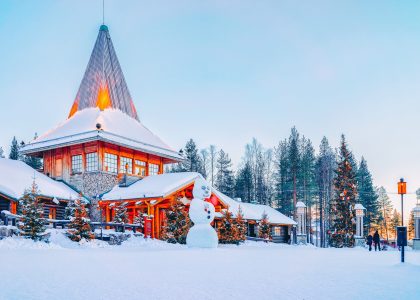
dirganews.com – Winter in Hokkaido is often reduced to a single image: deep powder snow falling steadily over quiet landscapes. While this image is not inaccurate, it is incomplete. The northernmost island of Japan operates within a highly specific climatic system that produces snow conditions distinct not only from other regions in the country but from most cold-weather destinations globally. Understanding this environment requires attention to meteorological patterns, geographic positioning, and the interaction between natural systems and human infrastructure.
The phrase Hokkaido Snow Japan is frequently used as a shorthand to describe this winter identity. However, such phrasing compresses a wide range of experiences into a single conceptual frame. Snow in Hokkaido is not uniform; it varies in density, frequency, and interaction with terrain. Similarly, how people engage with winter through recreation, transportation, or daily life is shaped by systems that extend beyond simple seasonal change.
There is also an underlying tension between predictability and variability. On one hand, Hokkaido is known for consistent snowfall driven by stable climatic mechanisms. On the other hand, localized conditions can shift rapidly, affecting visibility, accessibility, and safety. This duality complicates planning and challenges assumptions about reliability.
This article approaches the topic as a structured system rather than a seasonal attraction. It examines the components that define a Hokkaido Snow Japan experience, from environmental dynamics and conceptual frameworks to logistical realities and long-term adaptation. The goal is not to simplify, but to clarify by mapping complexity in a way that supports informed understanding.
Understanding “Hokkaido Snow Japan”
wallpaperaccess.com
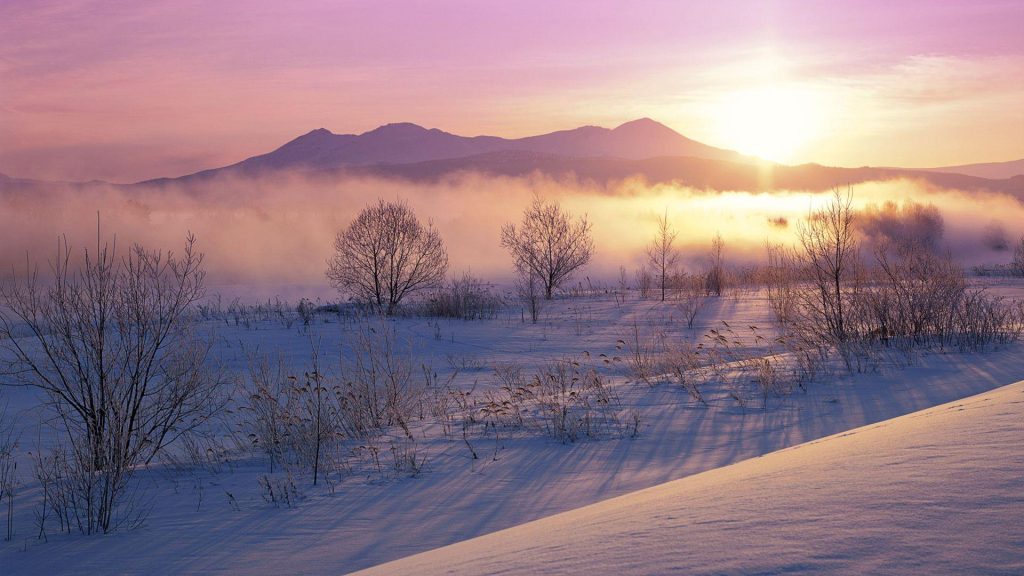
The phrase Hokkaido Snow Japan tends to suggest a unified winter environment, yet the reality is more fragmented and layered. Snowfall across the island is influenced by multiple variables: wind direction, elevation, proximity to the sea, and localized temperature gradients. These variables create microclimates, meaning that conditions can differ significantly even within relatively short distances.
At a conceptual level, the phrase refers to both a physical phenomenon, snow accumulation, and a system of human interaction with that phenomenon. Engagement can take several forms:
- Structured winter recreation (skiing, snowboarding, guided tours)
- Semi-structured exploration (self-guided travel, regional movement)
- Passive interaction (observation, urban winter experience)
Each mode of engagement operates under different assumptions. Structured recreation relies on managed environments, while independent exploration requires adaptation to changing conditions.
A frequent misunderstanding is that snowfall consistency equates to uniform conditions. While Hokkaido does receive regular snowfall, the quality and usability of that snow depend on timing, temperature, and wind. Powder conditions may exist in one area while another experiences compacted or wind-affected surfaces.
Another simplification involves equating snow quantity with experience quality. High snowfall can enhance certain activities but also introduce constraints, such as transport delays, reduced visibility, and increased physical demand. Understanding Hokkaido Snow Japan requires recognizing these trade-offs rather than assuming linear relationships.
Deep Contextual Background
The snow systems of Hokkaido are shaped by its geographic position and atmospheric dynamics. Cold air masses originating from Siberia move across the Sea of Japan, picking up moisture before reaching the island. As this air encounters Hokkaido’s terrain, it rises and cools, resulting in heavy snowfall. This process, often referred to as the “sea-effect snow” mechanism, is central to the region’s winter identity.
Historically, communities in Hokkaido adapted to these conditions through architectural design, transportation systems, and seasonal routines. Buildings were constructed to withstand snow load, while infrastructure evolved to maintain connectivity despite frequent snowfall.
The development of winter tourism introduced new layers to this system. Ski resorts, transportation networks, and hospitality services expanded to accommodate visitors. However, this expansion did not eliminate environmental constraints; rather, it reorganized how they are managed.
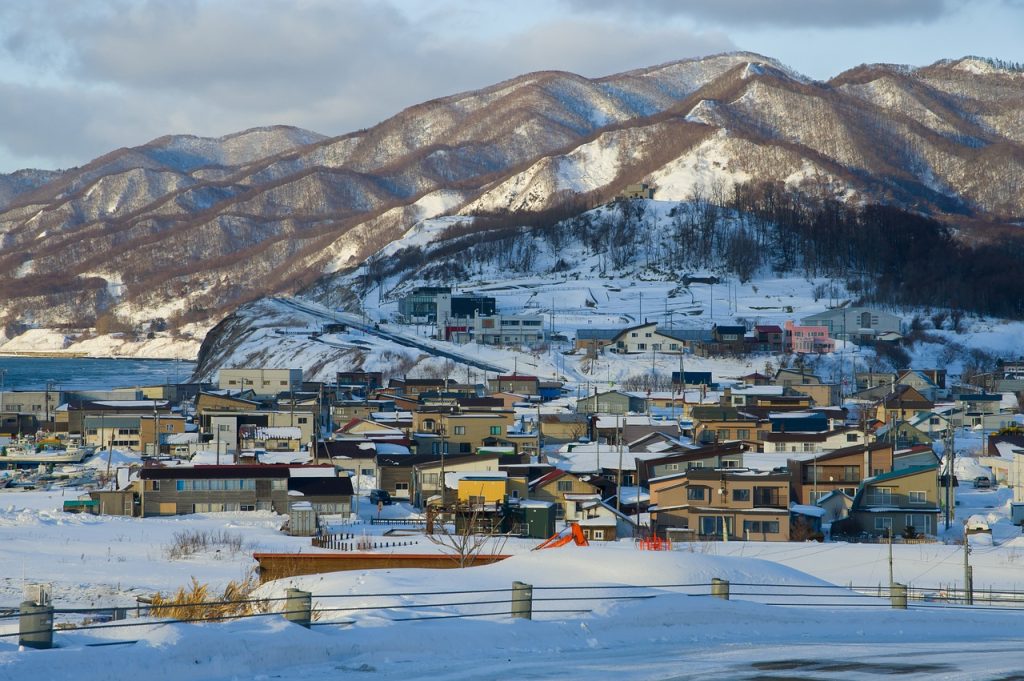
Urban centers such as Sapporo illustrate this adaptation. Snow removal systems, underground walkways, and coordinated infrastructure allow the city to function despite heavy accumulation. In contrast, rural areas may rely on more limited systems, resulting in different operational realities.
Conceptual Frameworks and Mental Models
1. Snow Quality vs. Accessibility Model
High-quality powder snow often occurs in areas that are less accessible. Increased accessibility can lead to higher usage, which alters snow conditions.
Limit: Weather changes can disrupt this relationship quickly.
2. Temporal Variability Framework
Snow conditions vary over time, daily, weekly, and seasonally. Planning must account for this variability rather than assuming static conditions.
Limit: Forecasting accuracy decreases over longer time horizons.
3. Energy Expenditure Model
Movement in deep snow requires significantly more physical effort. Energy allocation becomes a key factor in planning.
Limit: Individual fitness levels vary widely.
4. Infrastructure Dependency Model
Experiences are influenced by the availability and reliability of infrastructure, transport, accommodation, and services.
Limit: Overreliance on infrastructure reduces adaptability.
5. Risk Accumulation Framework
Risk increases through the interaction of factors: weather, terrain, fatigue, and decision-making.
Limit: Difficult to quantify in real time.
Key Categories and Variations
| Category | Characteristics | Advantages | Constraints |
|---|---|---|---|
| Urban Snow Environments | Managed systems | Accessibility, services | Limited immersion |
| Resort-Based Recreation | Controlled terrain | Safety, predictability | Crowding |
| Backcountry Exploration | Unmanaged terrain | High immersion | High risk |
| Coastal Snow Zones | Maritime influence | Unique conditions | Weather variability |
| Inland Mountain Areas | Deep powder | High-quality snow | Accessibility |
| Cultural Winter Experiences | Festivals, traditions | Contextual depth | Seasonal timing |
| Transit-Based Exploration | Movement-focused | Broad coverage | Time constraints |
Decision Logic
- Limited experience → Urban or resort environments
- Moderate experience → Mixed itinerary
- High experience → Backcountry exploration
- Cultural interest → Seasonal events
Real-World Scenarios and Decision Points
cdn.pixabay.com
Resort-Centric Approach
Constraint: Limited time
Decision: Focus on managed environments
Failure Mode: Overcrowding
Second-Order Effect: Reduced experience depth
Mixed Exploration
Constraint: Moderate time and flexibility
Decision: Combine urban and rural areas
Failure Mode: Misjudging travel time
Second-Order Effect: Fatigue accumulation
Independent Travel
Constraint: Limited support
Decision: Self-guided itinerary
Failure Mode: Transport disruption
Second-Order Effect: Schedule collapse
Weather-Dependent Planning
Constraint: Variable conditions
Decision: Flexible scheduling
Failure Mode: Rigid expectations
Second-Order Effect: Increased risk exposure
Planning, Cost, and Resource Dynamics
| Category | Low Range | Mid Range | High Range |
|---|---|---|---|
| Transport | Public transit | Rental vehicle | Private transfer |
| Accommodation | Budget lodging | Standard hotels | Premium resorts |
| Activities | Self-guided | Group tours | Specialized experiences |
Indirect costs include time loss, energy expenditure, and opportunity cost.
Tools, Strategies, and Support Systems
- Weather tracking systems
- Layered clothing strategies
- Flexible itinerary design
- Energy management planning
- Local knowledge integration
- Backup transport options
- Equipment adaptation
Each tool improves resilience but does not eliminate uncertainty.
Risk Landscape and Failure Modes
Primary Risks
- Severe weather conditions
- Reduced visibility
- Transport disruption
Compounding Risks
- Fatigue affecting decision-making
- Delays impacting schedules
- Environmental exposure
Governance, Maintenance, and Long-Term Adaptation
Monitoring
- Weather forecasts
- Energy levels
- Schedule adherence
Review Cycles
- Daily reassessment
- Mid-trip evaluation
Adjustment Triggers
- Weather changes
- Resource depletion
Checklist
- Pre-trip preparation
- On-site monitoring
- Post-trip evaluation
Measurement, Tracking, and Evaluation
Leading Indicators
- Energy consistency
- Schedule flexibility
- Resource usage
Lagging Indicators
- Completed activities
- Overall experience quality
Documentation Examples
- Travel logs
- Cost tracking
- Route mapping
Common Misconceptions and Oversimplifications
- “Snow is always the same.” → Conditions vary widely
- “More snow equals better experience” → Trade-offs exist
- “Infrastructure removes risk” → Risk persists
- “Short trips are simple.” → Time constraints add complexity
Ethical and Contextual Considerations
Winter environments in Hokkaido require careful interaction. Increased activity can impact ecosystems, particularly in sensitive areas. Additionally, local communities operate within established systems that balance daily life with seasonal tourism. Respecting these systems involves awareness of environmental and cultural contexts. Sustainability depends on maintaining this balance.
Conclusion
Hokkaido’s winter landscape operates as a complex system shaped by environmental processes, infrastructure, and human adaptation. It cannot be reduced to a single narrative or uniform experience. An engagement with Hokkaido Snow Japan requires preparation, flexibility, and an understanding of underlying dynamics. The value of the experience lies not in maximizing activities but in navigating a variable environment with clarity and responsiveness. Rather than offering a fixed outcome, the system supports multiple interpretations, each shaped by conditions, decisions, and evolving circumstances.